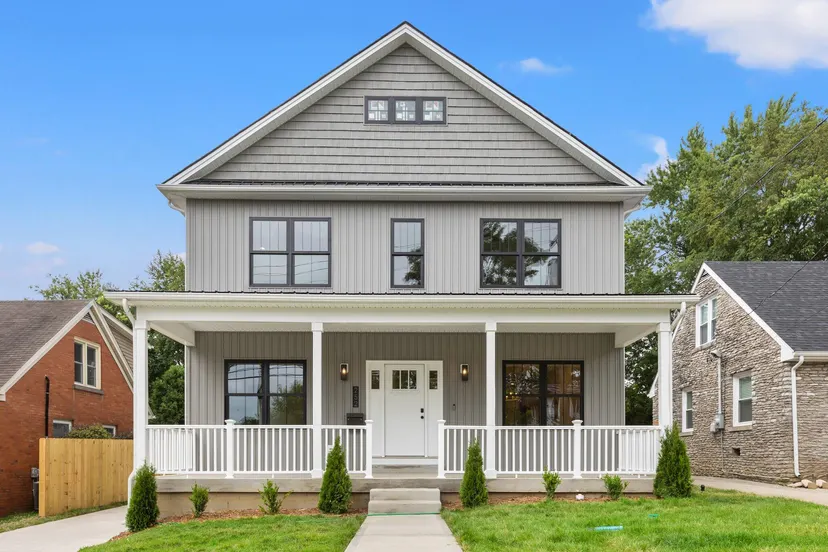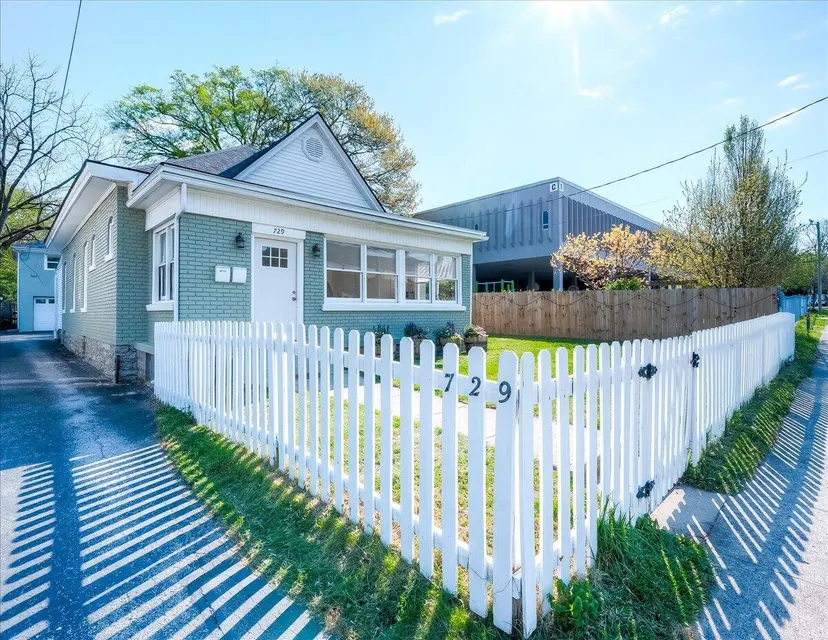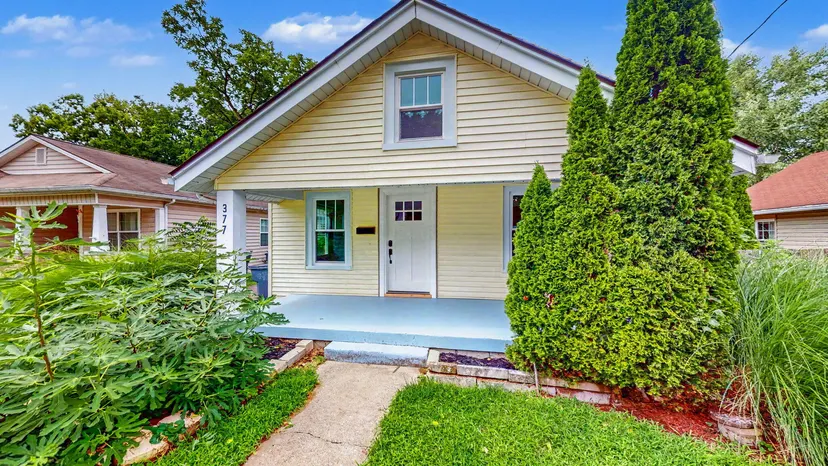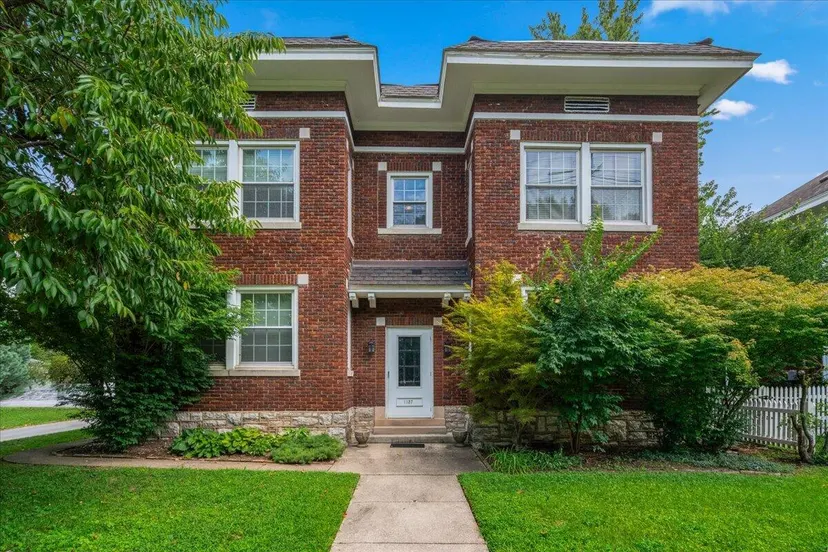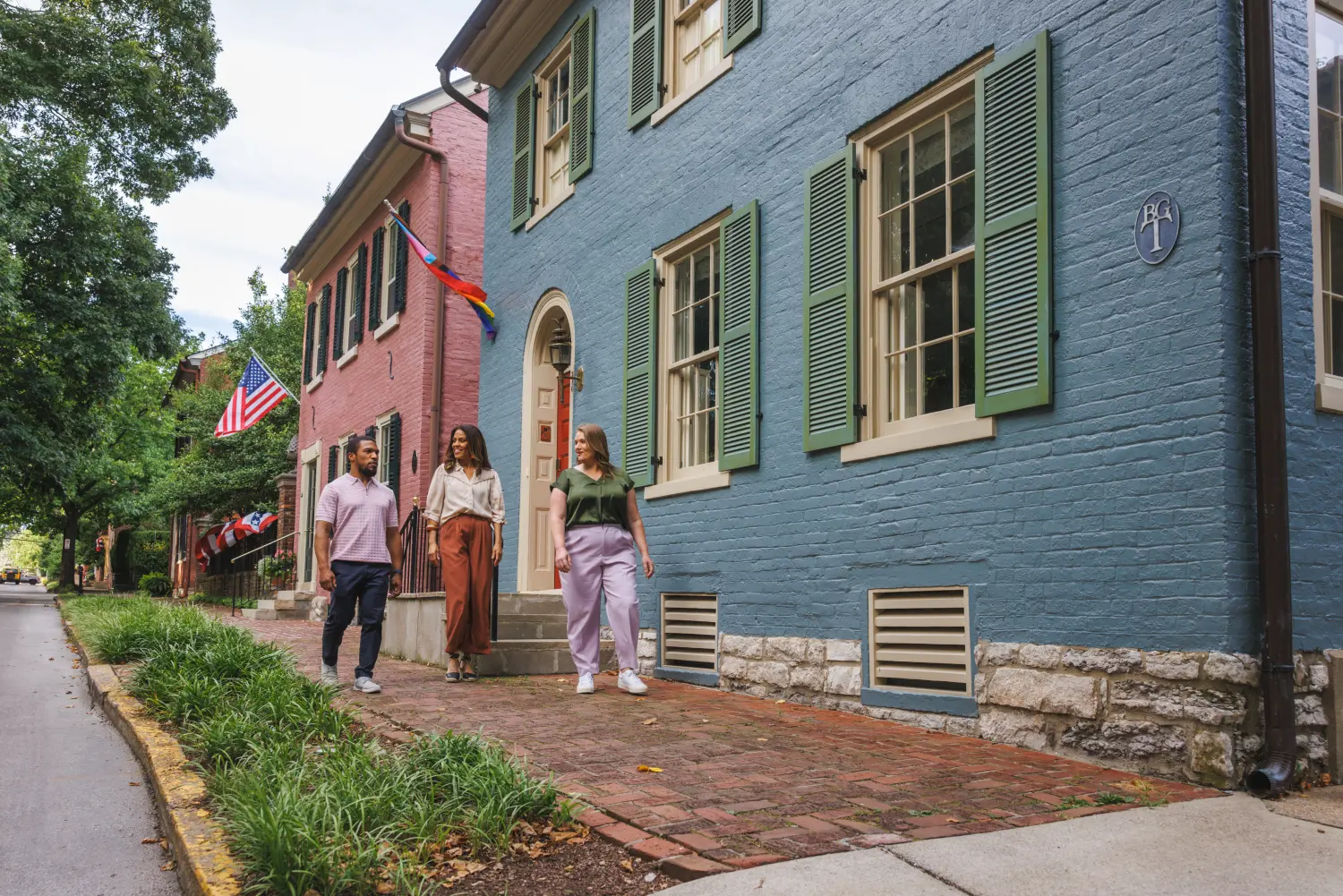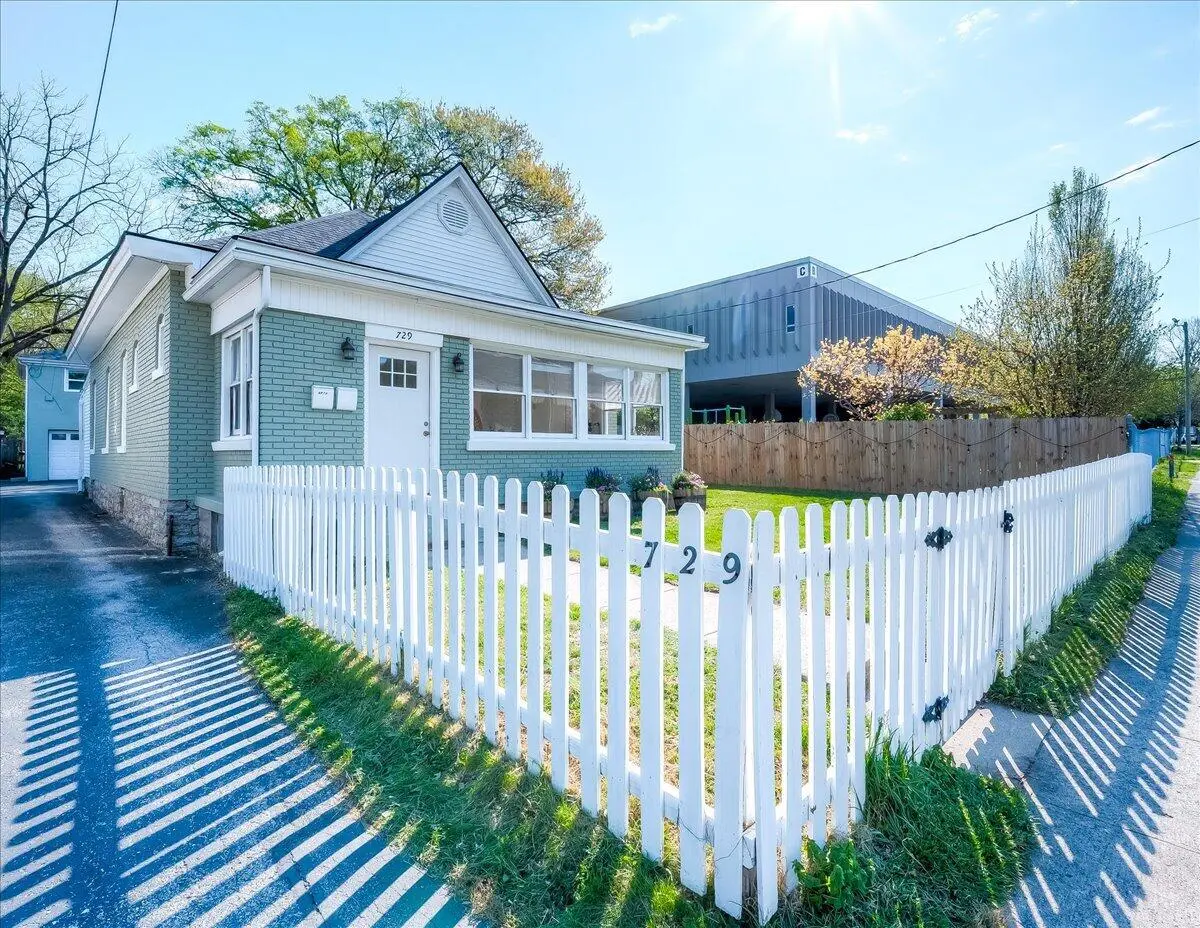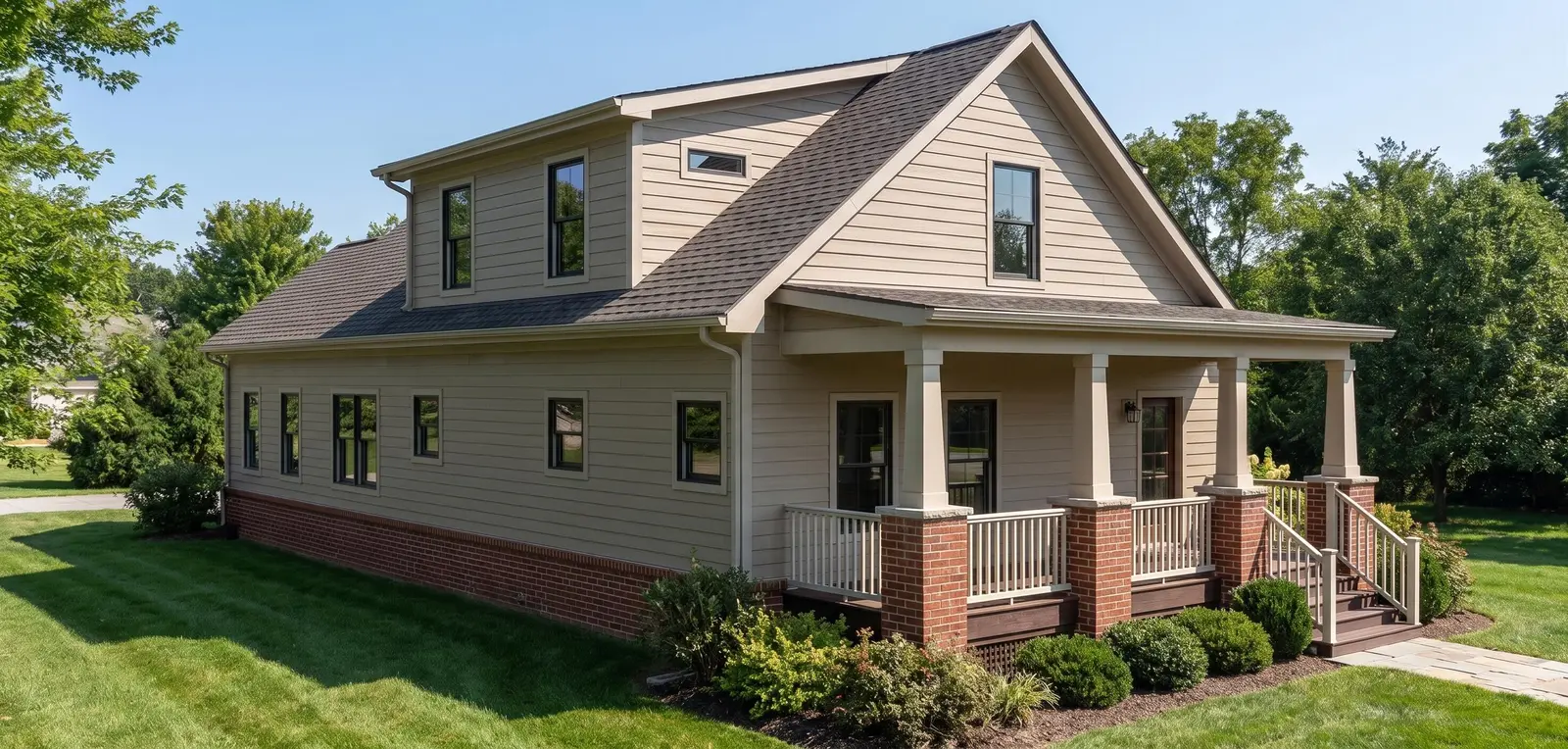
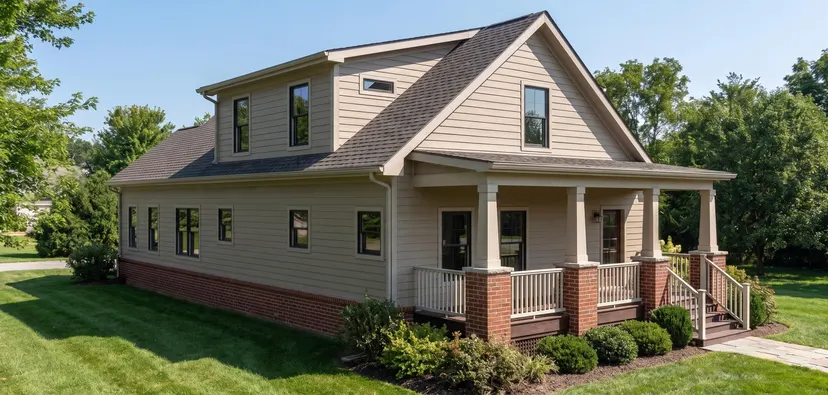
Kenwick is one of Lexington's oldest planned neighborhoods, and it wears that history well. Founded on May 11, 1909, on land that was once part of Henry Clay's 600-acre Ashland estate, Kenwick has spent over 115 years building a reputation as one of the most walkable, character-rich neighborhoods in central Kentucky. The Craftsman bungalows that line its streets were built in the 1920s and 1930s, and they still define the neighborhood's identity today.
This is not a neighborhood for buyers who want new construction and a three-car garage. Kenwick is for people who want front porches and sidewalks, who want to walk to a coffee shop or a French pastry counter, who want to live in a place with a story. If that sounds like you, keep reading.
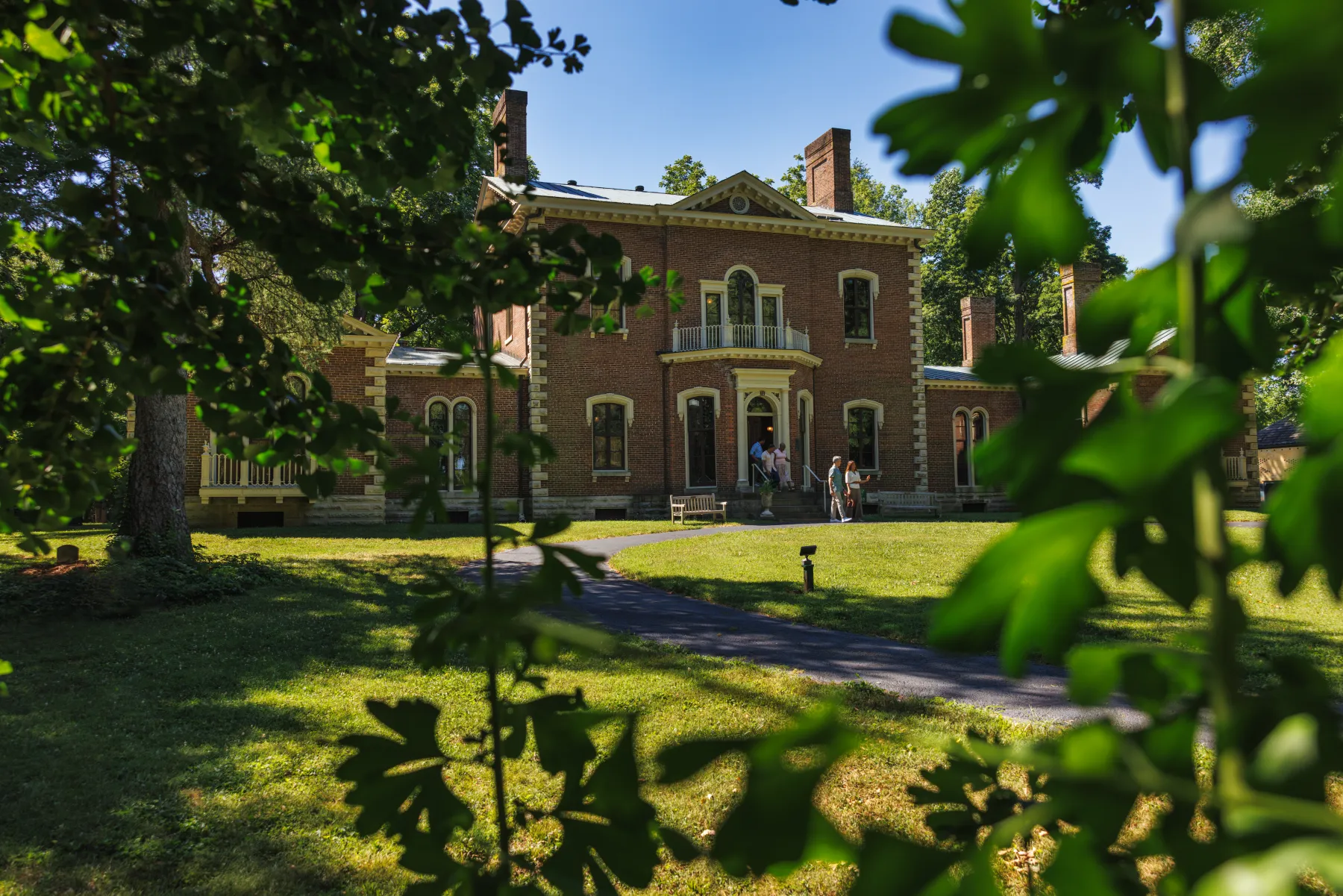
The neighborhood sits near downtown Lexington on the east side, adjacent to Woodland Park and the Chevy Chase commercial district. It is within walking distance of Ashland, The Henry Clay Estate, a national historic landmark with grounds open to the public. The proximity to downtown, the University of Kentucky, and multiple commercial corridors makes Kenwick one of the most conveniently located neighborhoods in the city.
The story of Kenwick starts with Henry Clay himself. Clay began purchasing land for his Ashland estate in 1797, eventually accumulating roughly 600 acres named for the ash trees that covered the property. The estate was not just a political retreat — Clay farmed the land actively, cultivating orchards, crops, and livestock. The grounds included formal gardens, fruit orchards, and some of the finest agricultural land in Fayette County. Clay lived at Ashland until his death in 1852, and the estate remained in the family for decades afterward.
The estate passed through generations of the Clay family until the early 1900s, when heirs began dividing portions of the land for residential development. In 1903, heirs of Margaret and General Preston divided the Ellerslie section of the former estate into residential lots — one of the first breaks in what had been an intact agricultural holding for over a century.
Six years later, in 1909, Harry Pilcher — who lived at 12 Mentelle Park — purchased 10 acres behind his home and developed the first section of what would become Kenwick. Pilcher was not a large-scale developer in the modern sense. He was a local businessman who saw opportunity in the Clay estate land and moved on it. The 10-acre parcel he bought backed up to his own property, and he platted it into residential lots that would become the original core of the neighborhood.
The neighborhood grew steadily through the 1920s, with the majority of homes constructed during that decade and into the early 1930s. This was Lexington's first real suburban expansion — families who had been living in the denser downtown core were moving outward into planned neighborhoods with dedicated lots, sidewalks, and street trees. Kenwick was at the leading edge of that movement. The homes were built by local contractors, not production builders, which accounts for the variation you see from house to house. Two bungalows on the same block might share the same basic footprint but differ in porch details, window placement, and interior layout because different crews built them to different specifications.
The Great Depression halted most new construction in Kenwick by the early 1930s. Building permits dried up, and the neighborhood essentially froze in place architecturally. This is why the housing stock has such a consistent character — nearly everything was built within a 15-year window between roughly 1918 and 1933. The Depression did not destroy Kenwick. The families who lived there held on to their homes, the neighborhood stabilized, and by the time the economy recovered, development had shifted to other parts of Lexington. Kenwick was already complete.
What had once been Henry Clay's fruit orchards became one of Lexington's most distinctive residential neighborhoods. The connection to Clay's estate is not just historical trivia — Ashland, The Henry Clay Estate, sits adjacent to Kenwick and remains one of the most visited historic sites in Kentucky. Walking from your front porch to the grounds where a three-time presidential candidate and Secretary of State tended his orchards is a daily reality in Kenwick, not a weekend field trip.
Kenwick's defining architectural feature is the Craftsman bungalow . These homes — with their wide front porches, low-pitched rooflines, exposed rafter tails, and tapered columns — dominate the streetscape and give Kenwick its unmistakable character.
The Craftsman details are what set these homes apart from generic older houses. Look for tapered porch columns sitting on stone or brick piers — these are signature Craftsman elements that you will see on nearly every block. Inside, the originals feature built-in bookshelves flanking the fireplace, plate rails running along the dining room walls, wood-paneled wainscoting , and thick crown and baseboard molding with profiles that you cannot buy off the shelf at a home improvement store. The woodwork in a well-preserved Kenwick bungalow is handcrafted — quarter-sawn oak trim, stained and finished with a warmth that modern millwork cannot replicate. Fireplaces are nearly universal, typically with original tile surrounds and wood or brick mantels. Some homes still have their original gas or coal grate inserts, though most have been converted or made decorative.
Beyond the bungalows, you will also find:
Colonial Revivals formal symmetry, centered front doors, and multi-pane windows
Tudor Revivals steeply pitched rooflines, arched doorways, and decorative half-timbering
American Four Squares boxy, practical two-story homes, some of which are original **Sears kit homes** shipped by rail and assembled on-site in the 1920s. These Sears homes are architectural artifacts — there are collectors and historians who actively seek them out
Construction era: Primarily 1920s and 1930s
Lot sizes: Larger than typical for homes of that era — Kenwick lots are generous by historic neighborhood standards, with room for gardens and mature trees
Landscaping: Mature evergreens and a variety of established tree species throughout the neighborhood
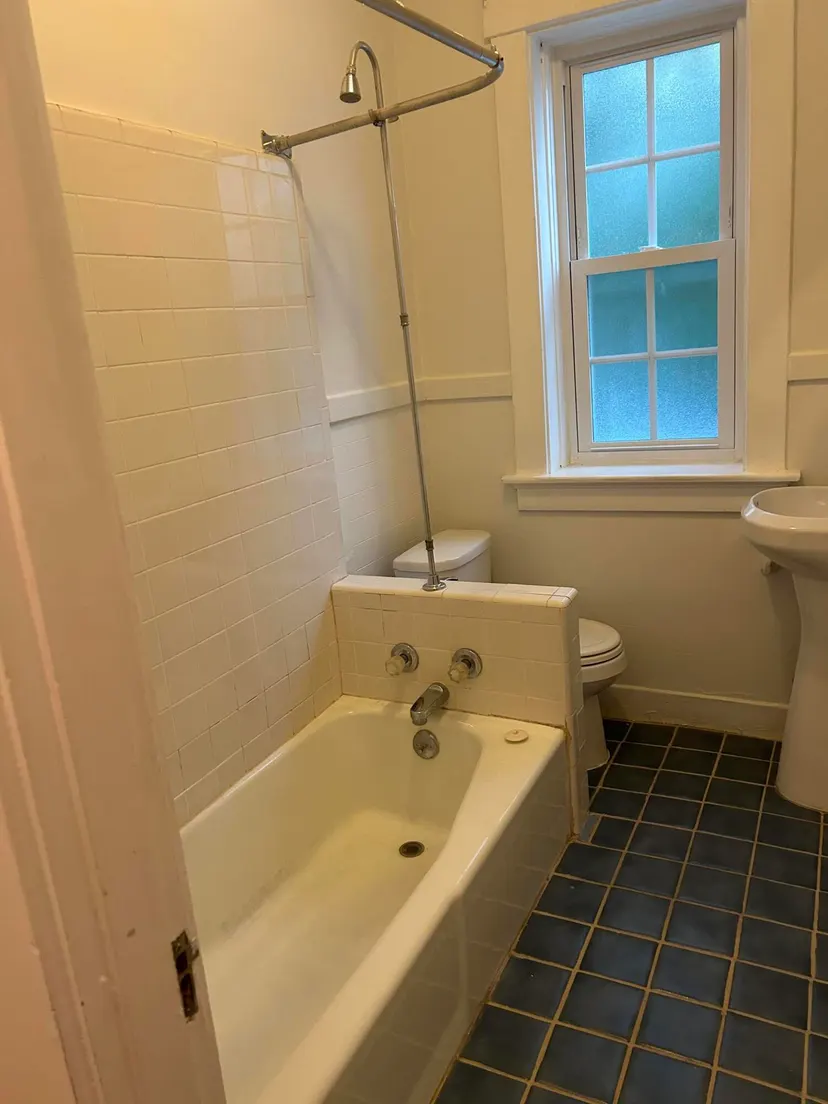
Condition: Ranges widely. Some homes have been meticulously restored with period-appropriate details. Others are original and awaiting renovation. Buyers should budget for potential updates to electrical, plumbing, and HVAC systems in unrenovated homes
Price range: Median list price approximately $390,000, with recent sales averaging around $371,000. Average days on market: 14 days — these homes move quickly when priced correctly
If you are looking at an original-condition bungalow that has not been updated since the mid-20th century, here is what you will likely walk into:
The electrical system may be a 100-amp panel — adequate for the 1920s, undersized for modern living. Some homes still have knob-and-tube wiring in portions of the house, particularly in attics and between floors. A full electrical upgrade to 200-amp service with modern wiring runs $8,000 to $15,000 depending on the size of the home and how much original wiring needs to be replaced. This is not optional — insurance companies are increasingly reluctant to write policies on homes with knob-and-tube.
Plumbing in unrenovated homes may include galvanized steel pipes, which corrode from the inside out over decades. You might notice reduced water pressure at fixtures farthest from the supply line — that is corrosion narrowing the pipe interior. A full repipe to copper or PEX runs $5,000 to $12,000 depending on accessibility. Clay sewer laterals running from the house to the street are another common issue — tree roots find their way into the joints, and a sewer scope inspection is worth every dollar before closing.
HVAC is where the biggest variation exists. Some original homes still have radiator heat from old boiler systems — these actually work well and some buyers prefer them for the even, quiet warmth they provide. Many others have been converted to forced-air systems that were retrofitted into the house, with ductwork running through closets, chases, and floor cavities that were never designed for it. The retrofitted systems work, but they are not as efficient as a purpose-built system. Expect to add central air conditioning if the home does not already have it — window units are common in unrenovated Kenwick homes.
Windows will be original single-pane wood sash in homes that have not been updated. They are drafty in winter and contribute to higher energy bills. Replacement with double-pane windows that match the original proportions typically costs $400 to $800 per window, and a bungalow usually has 12 to 18 windows. Some owners opt for storm windows instead of full replacement to preserve the original frames, which is a less expensive middle ground.
A full renovation of an unrenovated Kenwick bungalow — electrical, plumbing, HVAC, windows, kitchen, bath, and cosmetic finishes — can run $80,000 to $150,000 depending on how much you do and how high-end you go. The math usually works. A well-renovated bungalow commands a significant premium over an original-condition home, and the renovation investment typically pays for itself in resale value.
Pre-war homes come with pre-war considerations. Expect original hardwood floors (often in excellent condition under carpet), plaster walls, single-pane windows in unrenovated homes, and smaller closets than modern construction. Many Kenwick homes have been thoughtfully updated with modern kitchens and bathrooms while preserving original Craftsman details like built-in bookshelves, wood trim, and fireplace mantels.
There is no mandatory HOA and no architectural review board, but the community has strong informal norms around maintaining the historic character. The voluntary Kenwick neighborhood association is active and engaged. You will not be fined for painting your door the wrong color, but you will feel the gentle social pressure to keep your bungalow looking like a bungalow.
Woodland Park is Kenwick's primary green space and one of Lexington's most beloved urban parks. Located adjacent to the neighborhood, Woodland offers:
Sports courts (basketball, tennis)
A skatepark
The Woodland Aquatic Center and pool
Walking paths and open green space
Playgrounds
Athletic fields
Beyond Woodland Park, Kenwick residents can walk to Ashland, The Henry Clay Estate — the historic site includes landscaped grounds, gardens, and a museum housed in the rebuilt mansion. The grounds are open to the public for walking and are a daily destination for many Kenwick residents.
This is where Kenwick shines. The neighborhood and its immediate surroundings have one of the best collections of locally owned food and drink establishments in Lexington.
Within the neighborhood:
Kenwick Table (201 Owsley Avenue) — a beloved community coffee shop that has become a neighborhood institution. Excellent coffee, pastries, and a gathering place for regulars. This is the living room of the neighborhood in many ways — you will see the same faces at the same tables on weekday mornings, laptops open, kids in tow, conversations that pick up where they left off yesterday. The coffee is good, but the reason people come back is because it feels like the center of something
Wilson's Grocery and Meat an old-school neighborhood grocer that has served Kenwick for generations. This is the kind of place that barely exists anymore. You walk in for a pound of ground beef and a conversation with the person behind the counter who knows your name and what you bought last week
Walking distance:
The Pasta Garage fresh pasta made on-site since 2009, located in a converted garage. The name is literal — it started in a garage and the spirit stuck. The fresh tagliatelle and bolognese are staples, and the portions are built for adults who are not counting calories. Thursday and Saturday are the busiest nights
La Petite Delicat French pastries and baked goods. The croissants are the real thing — flaky, buttery, the kind you remember from an actual French bakery. They also do quiche, tartines, and a small selection of French-style sandwiches
Epping's on Eastside upscale fare in a neighborhood setting. This is where Kenwick residents go when they want a proper dinner out without driving across town
Blue Door Smokehouse barbecue and smoked meats. Straightforward, well-executed smoked brisket and pulled pork. The kind of place where the line at lunch tells you everything you need to know
Mirror Twin Brewing craft brewery with a taproom. Friday evenings here are a neighborhood event — people walk over from Kenwick and surrounding blocks, grab a table on the patio, and stay for a few rounds. The beer list rotates, the food trucks show up on weekends, and the atmosphere is exactly right for a neighborhood brewery
The walkability to food and drink is one of Kenwick's top-three selling points, alongside the architecture and the location. You can have a morning coffee at Kenwick Table, pick up fresh pasta from The Pasta Garage for dinner, and walk to Mirror Twin for a Friday night beer — all without starting your car.
A typical weekend in Kenwick follows a pattern that residents fall into naturally: Saturday morning starts at Kenwick Table or with a walk through the Ashland grounds. Midday might mean a trip to Woodland Park with the kids or a stop at Wilson's for something to cook that night. Evenings can go in any direction — The Pasta Garage for dinner, Mirror Twin for drinks, or a walk through the neighborhood when the light is good and the porches are occupied. Sunday morning is quieter — coffee on the front porch, the paper or a phone, the sound of the neighborhood waking up slowly. This is not a curated lifestyle pitch. It is just what happens when everything you need is within walking distance and the neighborhood is designed for people to be outside.
Kenwick is also walkable to the Chevy Chase commercial district, which adds another layer of restaurants, shops, and services within reach on foot.
Kenwick's near-downtown location makes it one of the most commuter-friendly neighborhoods in Lexington:
Downtown: 5 to 10 minutes by car, bikeable and walkable for some
UK campus: Under 10 minutes, bikeable
UK HealthCare / hospitals: Under 10 minutes
Primary routes: Richmond Road and East Main Street provide direct routes downtown. New Circle Road is accessible within a few minutes for cross-town commuting
For professionals who work downtown, at UK, or in the medical corridor, Kenwick's location eliminates the suburban commute entirely.
Kenwick attracts a buyer who is making a deliberate lifestyle choice. The people who choose Kenwick over a newer subdivision are choosing:
Walkability over square footage you trade a bonus room for the ability to walk to dinner
Character over consistency no two homes are alike, and that is the point
Community over privacy front porches face the sidewalk, neighbors know each other, the coffee shop knows your order
You will find:
Young professionals drawn by walkability and proximity to downtown. These are people in their late 20s and 30s who want to own something with character and do not want a 30-minute commute. Many come from renting in the Chevy Chase or downtown areas and buy in Kenwick as their first home
Academics and UK employees who want a short commute and an interesting neighborhood. Kenwick has a long history of attracting university faculty and staff — the bike-to-campus distance and the intellectual character of the neighborhood are a natural fit
History and architecture enthusiasts who specifically seek pre-war homes with original details. Some of these buyers come to Kenwick after researching Craftsman architecture or Sears kit homes and deciding this is where they want to invest
Long-term residents who bought decades ago and have no intention of leaving. These are the people who know the history because they lived it — they remember what the neighborhood looked like before the recent wave of renovations, and they are the ones who can tell you which house on the block is a Sears kit
Creative professionals writers, artists, and entrepreneurs who value the neighborhood's character. The front-porch culture and the walkability create a social infrastructure that attracts people who work independently and want to avoid the isolation that comes with suburban living
The neighborhood has a strong sense of identity that filters who moves in. People do not end up in Kenwick by accident. They find it because they are looking for something specific — a home with a story, a neighborhood where you know people, a daily routine that does not revolve around a car. That self-selection creates a community where most residents are genuinely invested in where they live.
There is no mandatory homeowners association and no architectural review board. The voluntary Kenwick neighborhood association organizes community events (including the annual Bungalow Tour) and advocates for neighborhood interests, but membership is optional and there are no mandatory fees.
This neighborhood tradition showcases Kenwick's architectural heritage. Homeowners open their doors to the public for a walking tour of restored and renovated bungalows. It is both a community event and a real estate showcase — prospective buyers regularly attend the tour to see what is possible with these homes.
If you are buying an unrenovated Kenwick home, budget for:
Electrical updates (many homes still have 100-amp service or older wiring)
Plumbing (galvanized pipes in some homes should be replaced with copper or PEX)
HVAC (original homes had radiator heat; many have been converted to forced air)
Window replacement (single-pane originals are common in unrenovated homes)
Foundation inspection (stone and block foundations from the 1920s may have moisture issues)
A well-renovated Kenwick bungalow commands a significant premium over an original-condition home. The renovation investment typically pays for itself in resale value.
Some of the Four Square homes in Kenwick are original Sears Roebuck kit homes — pre-cut, pre-packaged houses ordered from the Sears catalog and shipped by rail in the 1920s. These homes are genuine architectural artifacts. If you find one, you are buying a piece of American manufacturing history.
Schools
Schools in Kenwick
Ashland Elementary School
Niche rating: A
Student-teacher ratio: 10:1
Notable: One of the smaller elementary schools in the Fayette County system, which translates to more individualized attention. Named for the adjacent Ashland estate
Henry Clay High School
Niche rating: A-
Student-teacher ratio: 17:1
Notable: One of Lexington's most established high schools with strong academics and a diverse student body. The Henry Clay cluster is one of the most sought-after school zones in the city
Private option nearby: Christ the King School (18:1 student-teacher ratio) is located in the area for families seeking a Catholic school option.
The middle school assignment should be confirmed via the FCPS SchoolSite Locator using a specific Kenwick address, as zone boundaries have shifted in recent years.
Kenwick is zoned for Ashland Elementary (A rating, 10:1 student-teacher ratio) and Henry Clay High School (A- rating). Confirm middle school assignment via the FCPS SchoolSite Locator.
No mandatory HOA. The voluntary Kenwick neighborhood association organizes events and advocates for the community but does not charge fees or enforce architectural standards.
The neighborhood was founded in 1909 on former Henry Clay Ashland estate land. Most homes were built in the 1920s and 1930s, primarily in the Craftsman bungalow style.
Recent sales median is approximately $371,000. List prices average around $390,000. Homes sell in an average of 14 days.
Very. Kenwick is one of Lexington's most walkable neighborhoods. You can walk to Kenwick Table (coffee), The Pasta Garage, Mirror Twin Brewing, Woodland Park, Ashland estate, and the Chevy Chase commercial district.
Yes. Some of the American Four Square homes in Kenwick are original Sears Roebuck kit homes from the 1920s, shipped by rail and assembled on-site.
An annual neighborhood event where homeowners open their restored bungalows to the public. It showcases the architectural heritage of the neighborhood and draws visitors from across Lexington.
Approximately 2 miles, or 5 to 10 minutes by car. Many residents bike or walk to downtown for work and entertainment.
Be first
Never Miss a Kenwick Listing
Homes in This Neighborhood
Tell me what you're looking for here and I'll send matching homes the moment they hit the market — no pressure, just the right ones.
Thinking About Kenwick?
Tell me what you're looking for, or ask me anything about the area — schools, streets, the honest tradeoffs. Call or send a note; I answer my own phone.