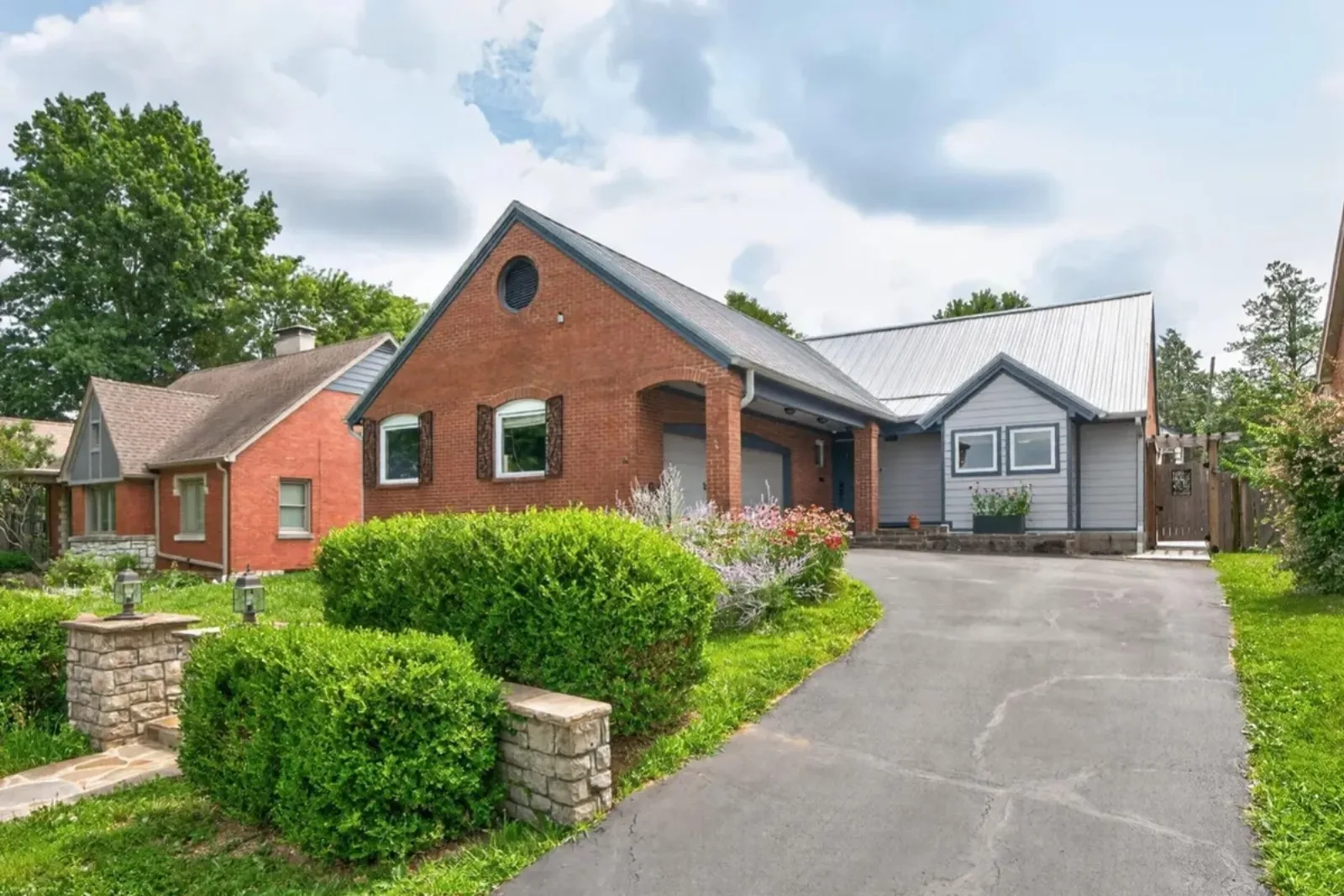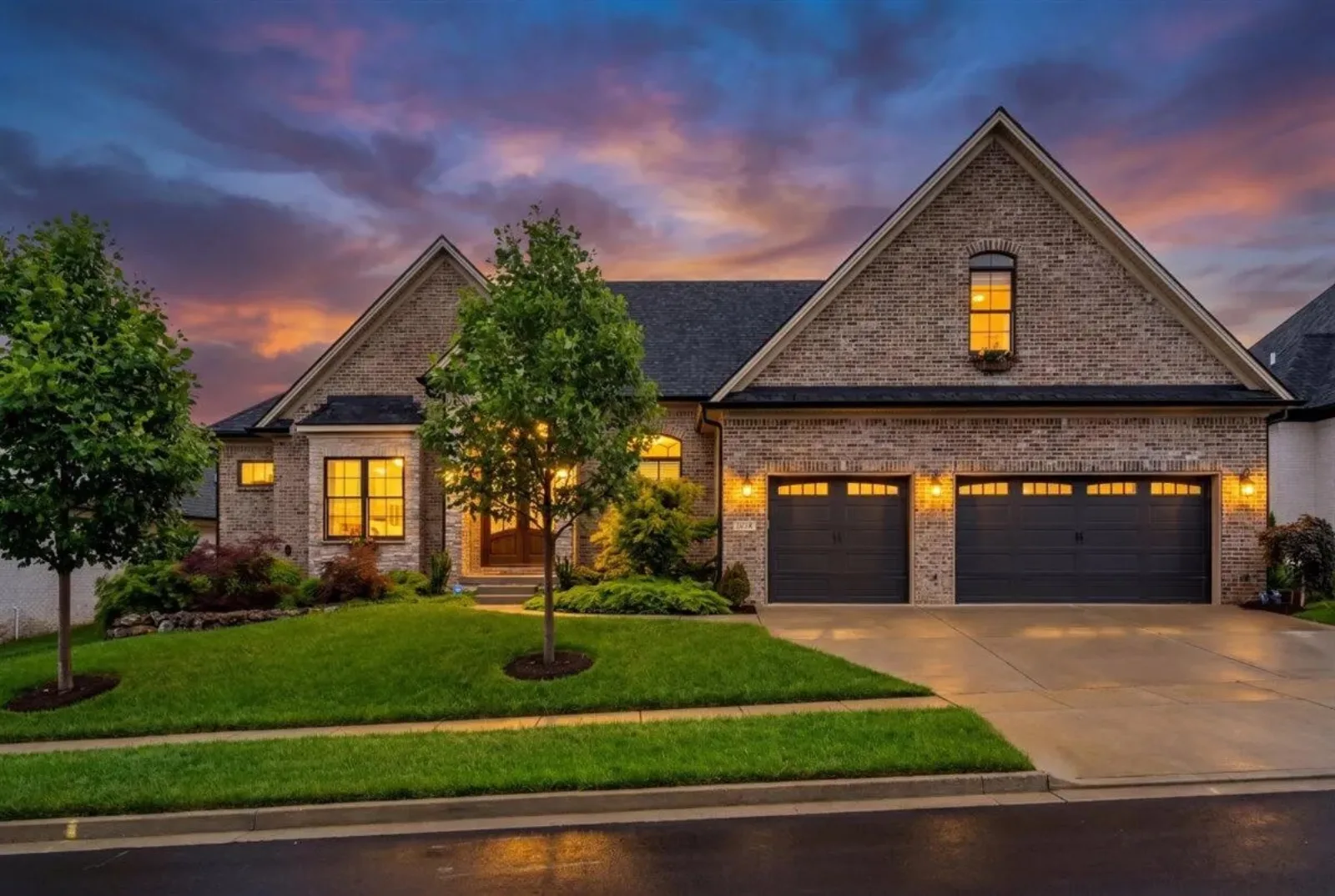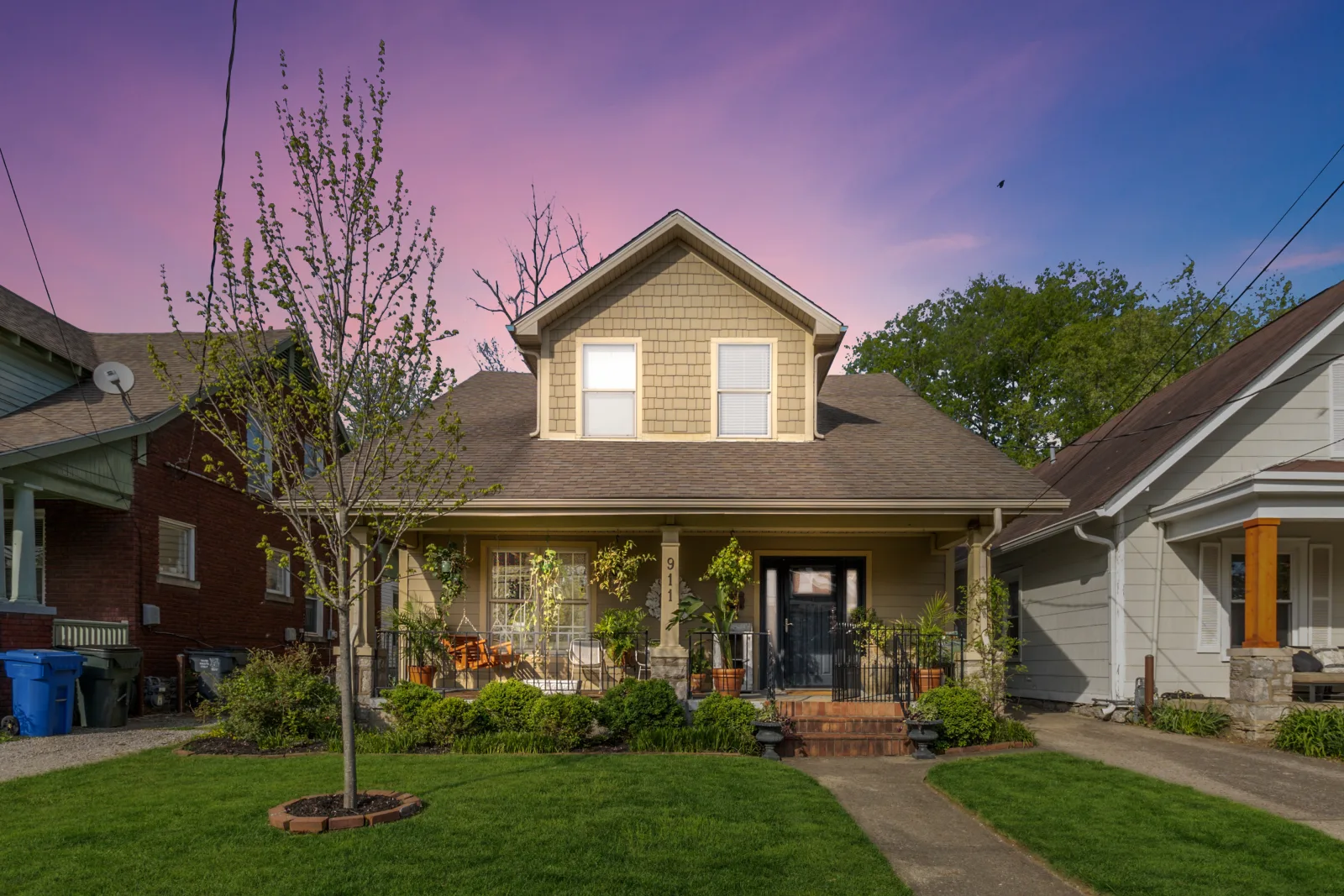
Buying a Fixer-Upper in Lexington: Is It Worth It?
The first few fixer-upper deals I worked here in Lexington, I was skeptical. The projects looked daunting, the timelines were murky, and the budgets had a way of multiplying faster than kudzu grows in July.
What changed my mind was watching the math work — over and over, for the right buyer on the right house. So here's the honest version, numbers and all.
The short answer: a fixer-upper in Lexington is worth it when the purchase price, plus a realistic renovation budget, plus a 20% buffer, still comes in under what a move-in-ready home costs in that same neighborhood. When that math holds, you build instant equity and buy your way into a block you couldn't otherwise afford. When it doesn't, you're just overpaying for a project. Everything below is about knowing which one you're looking at.
Want a shortlist of Lexington fixer-uppers where the numbers actually pencil out? Let's look together — I'll tell you the ugly ones before you fall for them.
Why Fixer-Uppers Make Sense Right Now
Start with the honest backdrop: Lexington inventory is still tight. As of July 2026 the market held about 2.01 months of supply at a $375,000 median sale price (FlexMLS / ImagineMLS) — anything under three months is seller's-market territory, and a clean, updated home in a good neighborhood still draws multiple offers in days. First-time buyers get squeezed out of that race fast.
A fixer-upper changes the game. Instead of bidding up a finished house, you're buying potential — and in Lexington a home that needs work generally trades at a real discount to the updated house next door. That gap is often the difference between being priced out of a neighborhood and actually getting in. If your goal is a rental or a flip rather than a home to live in, that's a different playbook — my real estate investing guide covers the returns side. This post is for the owner-occupant: someone who wants to live in the house while it becomes theirs.
There's also the part the spreadsheet misses. You get to make the choices — the layout, the finishes, the details — instead of inheriting someone else's. Done with a plan, that's not just a home. It's equity you built with your own decisions.
The Real Costs of Renovation
Before anything else, the money. This is where good intentions meet demolition, so let's be specific.
Kitchens
A substantial kitchen remodel runs around $27,000 on average — that's a full overhaul with new cabinets, counters, appliances, flooring, and any plumbing or electrical the work uncovers. In Lexington, depending on the finishes you choose, budget $20,000 to $50,000 or more for a mid-to-high-end result.
Bathrooms
A primary-bath renovation typically lands between $15,000 and $25,000. A smaller half-bath might be $8,000 to $12,000. Those numbers include fixtures, tile, plumbing, electrical, and labor.
Systems and Structure
This is where an old house can bite. If the bones or the systems are tired, budget for:
- Electrical rewiring: $8,000–$15,000 for a home that needs a full update
- Plumbing: $10,000–$20,000 depending on how far the pipes have to be chased
- HVAC: $7,000–$12,000 for a new system, installed
- Roof: $10,000–$25,000 depending on square footage and material
- Foundation or structural repair: $15,000–$30,000, and more if it's serious
- Permits: $500–$2,000 depending on scope
| Project | Typical Lexington cost range |
|---|---|
| Full kitchen remodel | $20,000 – $50,000 |
| Primary bathroom | $15,000 – $25,000 |
| Electrical rewiring | $8,000 – $15,000 |
| Plumbing | $10,000 – $20,000 |
| HVAC system | $7,000 – $12,000 |
| Roof | $10,000 – $25,000 |
| Foundation / structural | $15,000 – $30,000 |
The 20% rule: whatever renovation budget you land on, add 20%. I mean it. The hidden plumbing, the surprise behind the plaster, the joist someone notched in 1962 — these are not maybes, they're eventualities. A contractor opens a wall during demo and suddenly you owe another $5,000. That buffer is what keeps you from cutting corners or going house-poor halfway through.
For a full gut renovation — foundation to roof, every system replaced — plan on $80 to $150 per square foot in Lexington. On a 2,000-square-foot house, that's $160,000 to $300,000. That's not most projects, but it's the ceiling to keep in view.
The Math That Matters
Here's the one calculation that decides everything: purchase price + renovation estimate + 20% contingency. If that total lands at or below what a comparable move-in-ready home costs in the same neighborhood, you have a smart buy. If it lands above, you're paying a premium for the privilege of doing the work yourself. That number, not the charm and not the Pinterest board, is the whole decision.
Financing Your Fixer-Upper
This is the part that surprises people: buying a house that needs work can be more accessible than buying a finished one, because there's a loan built for exactly this.
The FHA 203(k) Renovation Loan
The FHA 203(k) wraps the purchase price and the renovation cost into a single mortgage. Instead of juggling a home loan and a separate renovation loan — or draining your savings — the cost of the work rolls into one monthly payment. For an owner-occupant, it's often the whole reason a fixer-upper is even on the table.
The key details:
- Down payment: 3.5% minimum — and importantly, it's 3.5% of the total (purchase price plus renovation), not the purchase price alone
- Credit score: FHA technically allows scores as low as 580 for the 3.5%-down tier, but most lenders apply their own overlay and want to see 620 or higher
- Debt-to-income: generally under 43%
- Occupancy: primary residence only — investors, this program isn't for you
- Mortgage insurance: a 1.75% upfront premium plus roughly 0.55% annually
Limited vs. Standard 203(k)
There are two flavors, and your project scope decides which one you use.
Limited (Streamline) 203(k) is for non-structural work up to a $75,000 cap — kitchens, baths, flooring, paint, appliances, the cosmetic-to-moderate range. Fewer requirements, less paperwork, faster to close. As of the November 2024 program update, you have 9 months to finish the work.
Standard 203(k) is for bigger or structural jobs, with a $5,000 minimum in repairs. It asks more of you — licensed contractors, an FHA-approved 203(k) consultant overseeing the work, closer inspection as it progresses — but it opens up serious renovation. The rehab window here is 12 months, also extended in the 2024 update from the old 6-month rule.
These loans aren't as common as a plain mortgage, so working with a lender who actually knows the program matters. When you're ready, I'll connect you with a 203(k)-experienced local lender — it's a short list, and the right one makes the difference between a smooth close and a stalled one.
Other Ways to Fund the Work
- Conventional renovation loans: Fannie Mae and Freddie Mac offer 203(k)-style programs for buyers with stronger credit and more down payment
- Home equity line of credit: if you already own property, you can borrow against that equity
- Cash-out refinance: buy first, then refinance and pull cash out for the improvements
- Construction-to-permanent loans: a construction loan that converts to a standard mortgage once the work is done
If you're brand new to all of this, my first-time homebuyer guide walks through the wider process, and a 203(k) is one of the friendliest doors in for a first-timer.
Best Neighborhoods for Fixer-Uppers
Not every fixer-upper is a good bet. You want blocks where renovation actually adds value — where the neighborhood has bones, character, and demand that will still be there when your work is finished.
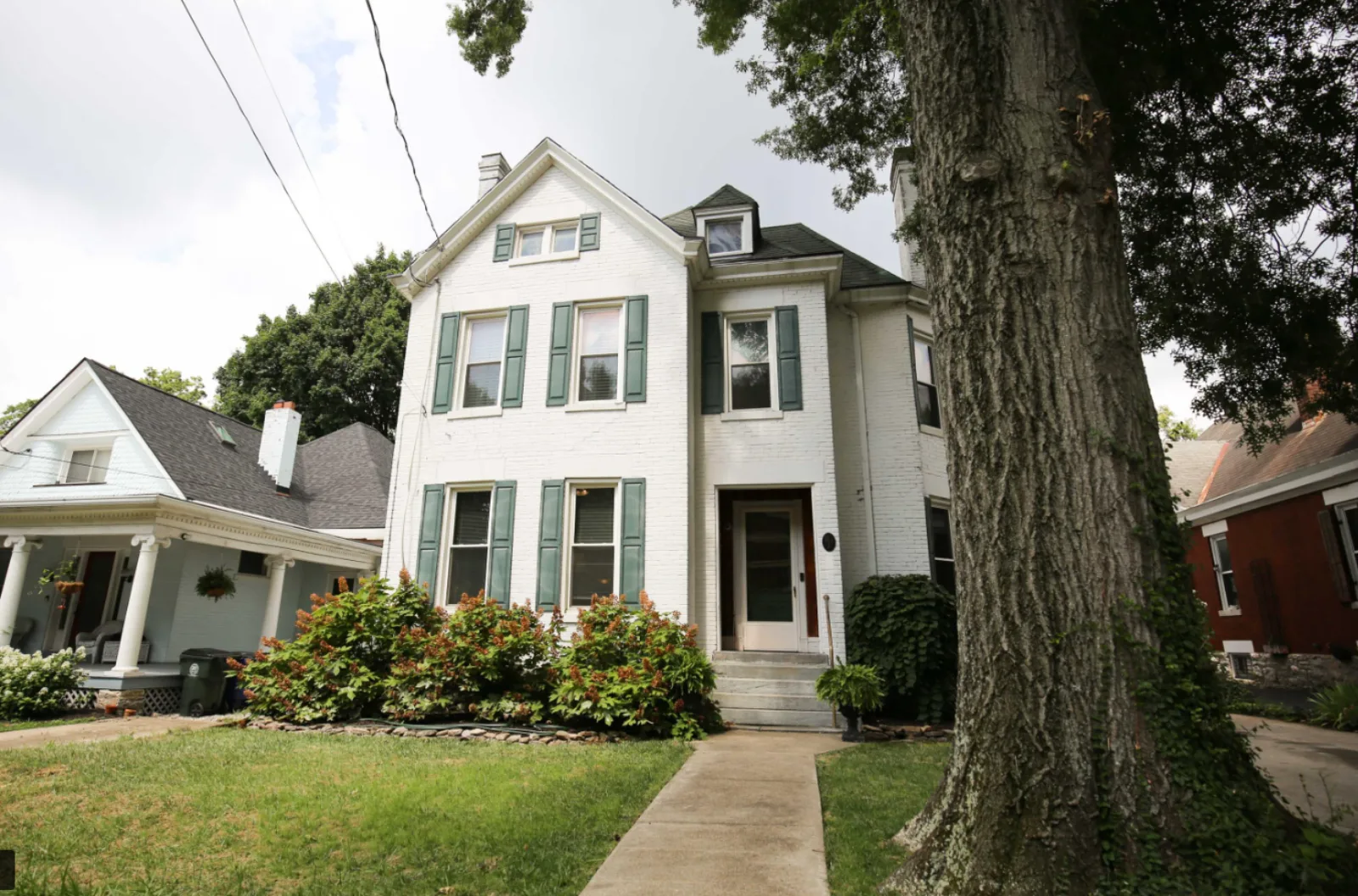
Kenwick
Kenwick is the neighborhood story I point people to. For years it was an under-the-radar, working-class pocket — good bones, real value, a fraction of what nearby Chevy Chase commanded. Buyers who saw it early did very well. Today it's one of Lexington's most sought-after areas: Craftsman homes on tree-lined streets, a genuine sense of community, and a short hop to downtown and the University of Kentucky.
You'll still find homes here that need updating, right alongside beautifully renovated ones selling for what that work is worth. That's the tell. Kenwick has the location and demand to reward a renovation, which is exactly what you want under your money. Browse current Kenwick listings to see the range for yourself.
Meadowthorpe
Meadowthorpe is on the upswing — new development nearby, growing local business, and rising interest from buyers who've been priced out elsewhere. You'll find a mix here: some homes already renovated, plenty still waiting for it. The opportunity is timing: buying and improving early positions you well as the neighborhood keeps gaining. Take a look at what's active in Meadowthorpe.
Do the Homework on Any Block
Beyond those two, the north-end pockets and other older neighborhoods can hold real opportunity — but only if you dig into the specifics: the direction the block is heading, the parks and amenities nearby, the commute. I tell every fixer-upper buyer the same thing: location is the one variable you cannot renovate. You can gut a kitchen; you cannot move the house. If you want the full lay of the land first, start with my best neighborhoods guide.
Red Flags: When a Fixer-Upper Isn't Worth It
Some houses aren't projects, they're money pits wearing a project's clothes. Walk carefully around these:
Serious Foundation or Structural Damage
A cracked foundation, major settling, or real structural failure can cost tens of thousands to fix and compromises everything built on top of it. Get an inspection, and if a professional flags true structural problems, walk. This is not the place to get creative.
Water Damage or Mold
Roof leaks, basement flooding, and mold are expensive and, with mold, a health issue. Remediation isn't just cleanup — it means fixing whatever let the water in, which often loops back to roofing, drainage, or grading. A $15,000 roof is a known quantity. Mold you discover after closing is not.
A Block That's Losing Ground
Even a gorgeous renovation can't lift a neighborhood that's shrinking. If businesses are shuttering and the area is losing people, a fixer-upper there is a bet on a turnaround that may never arrive. Buy where the momentum is positive.
Unpermitted Work
A room addition, a finished basement, or electrical done without permits is a red flag: no inspection, possible code violations, and headaches at resale. You can inherit that liability.
The "Iceberg" House
It looks fine on the surface and hides its problems below the waterline. You won't know until the inspection, which is exactly why a thorough professional inspection is non-negotiable. Spend the few hundred dollars. It's insurance against buying someone else's nightmare.
Is It Really Worth It? The Honest Truth
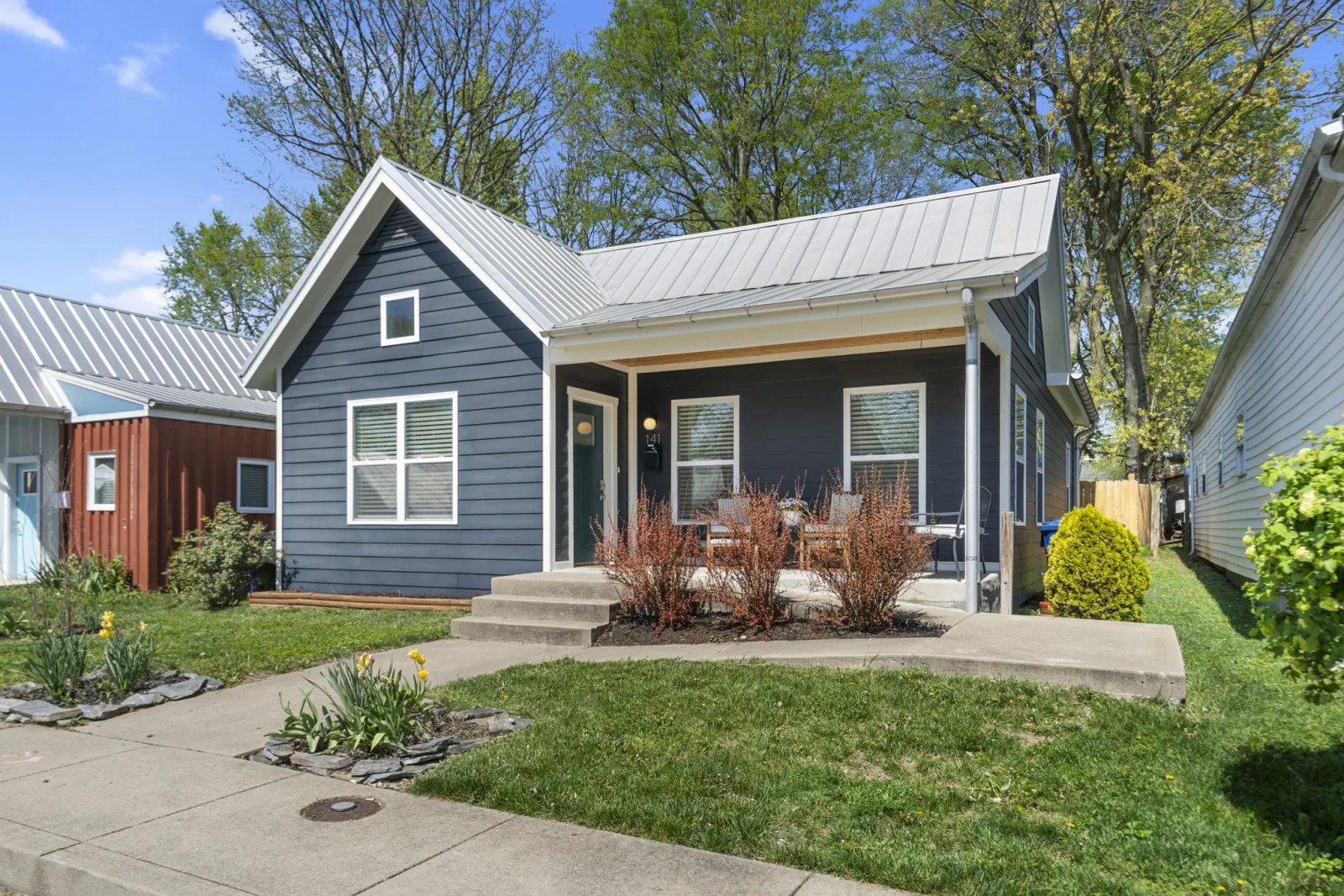
After the costs, the timeline, and the risk — is a fixer-upper actually worth it? For the right person, absolutely. For others, not remotely. Here's how to tell which one you are.
Buy a Fixer-Upper If:
- You genuinely like projects and problem-solving
- You have the financial cushion to absorb an overrun without it wrecking you
- You plan to stay 5–7 years or longer, so you have time to recoup the investment
- You can live with temporary noise, dust, and contractors in your space
- The total — purchase plus renovation plus buffer — is genuinely below move-in-ready comps
- You're buying in a neighborhood with real momentum
Skip It If:
- You're worn out and need move-in-ready now
- You have no financial slack for surprises
- The idea of hidden problems will cost you sleep
- You expect to sell within 2–3 years — you likely won't earn the money back that fast
- Managing contractors and projects isn't your strength
- The math comes in above comparable finished homes
There's no wrong answer here. If picking paint colors and choosing counters energizes you, that's usually your sign. If those same tasks make your shoulders tense, a move-in-ready home — or even a brand-new build instead — will make you happier, and that's a perfectly good outcome. And when the work is done and done well, you've got a home that's truly yours — and one you can sell it for what the work is worth down the road.
Frequently Asked Questions
How much do I need to save to buy a fixer-upper with an FHA 203(k) loan?
The 3.5% minimum down payment on a 203(k) is calculated on the total — purchase price plus renovation costs — not the purchase price alone. So on a $150,000 house with $50,000 of planned work, you're putting 3.5% down on roughly $200,000, which is about $7,000, not $5,250. On top of that, keep a real cash cushion — I'd want at least 10% of your renovation budget sitting in savings as a contingency reserve for the surprises behind the walls.
How long do I have to finish the renovation on a 203(k) loan?
As of the November 2024 program update, you get 12 months to complete the work on a Standard 203(k) and 9 months on a Limited 203(k) — both longer than the old 6-month window. In practice, a cosmetic refresh (kitchen, baths, paint, flooring) usually wraps in 3 to 4 months; a bigger job with structural work can run 5 to 8. Living in the home during the work is possible but disruptive, so plan for that.
Can I use an unlicensed contractor to save money on the renovation?
On a 203(k) loan, no — the contractors have to be licensed. And even without 203(k) financing, I'd steer you away from it. Unlicensed work means no warranty, no insurance backing you up, and real trouble at resale when the permits don't line up. Get multiple bids, but get them from licensed pros.
What's the minimum renovation cost for a Standard 203(k) loan?
A Standard 203(k) requires at least $5,000 in repairs. Below that, you'd use the Limited 203(k), which covers non-structural work up to a $75,000 cap. If your project is under $5,000, you're usually better off just negotiating those repairs into the purchase contract instead of using renovation financing at all.
Do I really need a home inspection if I'm buying a fixer-upper?
More than ever. An inspection matters more on a fixer-upper than on a move-in-ready home, because you're specifically trying to find out what you're taking on. A good inspector who knows older homes will flag things you'd never catch yourself. That's $300 to $500 spent up front against the possibility of tens of thousands in surprises later. It is not the place to save money.
Ready to Find One Worth the Work?
If a fixer-upper in Lexington is starting to make sense, the next move is simple: get pre-approved with a lender who knows renovation loans, get clear on your neighborhoods, and know your numbers cold before you fall for a front porch. I can help with all three — and I keep an eye on what's coming to market, so I'll flag the ones where the math works and steer you off the ones where it doesn't. My monthly market updates track where inventory and prices are heading, too.
Let's look together — bring me the house you're dreaming about, and I'll tell you the honest truth about it.