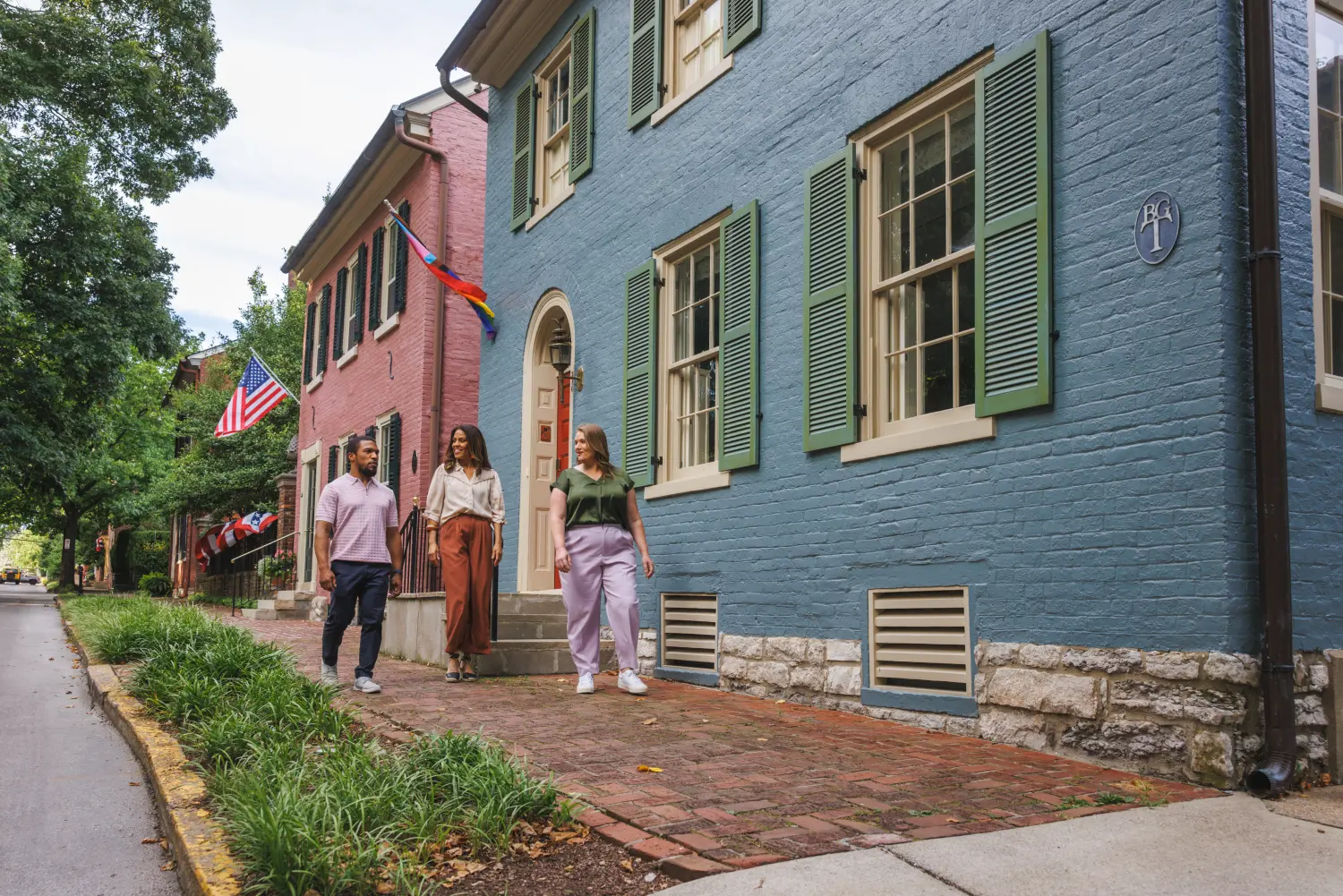
Chevy Chase is the neighborhood that everyone in Lexington has an opinion about — and almost everyone's opinion is the same: it's special. Less than one square mile — roughly Fontaine Road to the north, Chinoe Road to the east, Cooper Drive to the south, and Tates Creek Road to the west — roughly a thousand households, and a character that no amount of new construction anywhere else in the city can replicate. This is where tree-lined streets, walkable shops, century-old homes, and genuine community all come together in a way that feels effortless.
I've lived downtown and now Hamburg, and I walk every neighborhood in this city — Chevy Chase is the one that stops me in my tracks every time. It's the neighborhood where you can walk to dinner, walk to coffee, walk to the bar, and walk home. In Lexington, that's rare. In a neighborhood with homes at this price point, it's almost unheard of.
The people who buy in Chevy Chase aren't just buying a house. They're buying a lifestyle — and they know exactly what they're getting.
Chevy Chase has an energy that's hard to describe until you've spent an evening there. Picture this: you walk from your house to Bourbon N' Toulouse for dinner, stop at The Beer Trappe for a drink afterward, and wave to three people you know on the way home. That's a Tuesday night in Chevy Chase.
The commercial district along East High Street, Euclid Avenue, Romany Road, and Clay Avenue is one of Lexington's oldest shopping areas, and it's the beating heart of the neighborhood. It's not a strip mall or a planned retail center — it's a real, organic mix of locally owned restaurants, boutiques, bars, and coffee shops that grew up alongside the neighborhood over decades.
There's a mix of young professionals, established families, UK professors, and longtime residents who've been here for 30 or 40 years. The common thread is that they all value walkability, character, and community over square footage. Nobody moves to Chevy Chase because they need a 4,000-square-foot house with a three-car garage. They move here because they want to live somewhere that actually feels like somewhere.
The streets themselves tell the story. Catalpa Road has a gingko tree canopy that turns into a tunnel of gold every fall. The triangular, tree-filled islands scattered through the residential streets give the whole neighborhood a parklike quality. The Olmsted Brothers — the same landscape architecture firm connected to Central Park — had a hand in designing parts of the area, and that intentional beauty still shows.
Let's be upfront about what Chevy Chase is and isn't. The homes here are modest in size compared to what you'd get for the same price in Hamburg or Andover. What you're paying for is location, walkability, character, and scarcity — there are only about a thousand homes in the neighborhood, and they don't come up for sale often.
The median sale price over the last 12 months sits around $812K — up roughly 10% year over year and one of Lexington's most expensive figures per square foot. Sales run from around $500K to $1.8M.
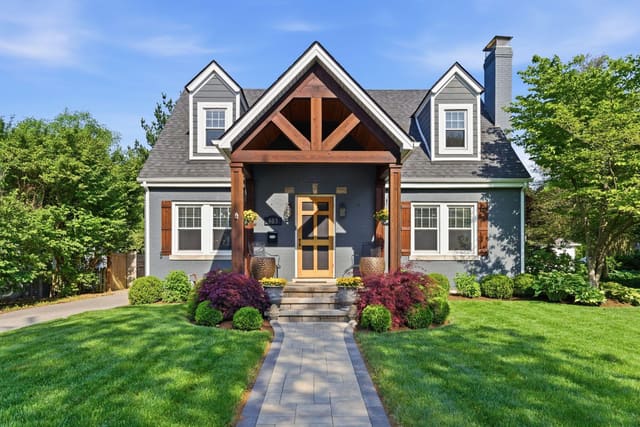
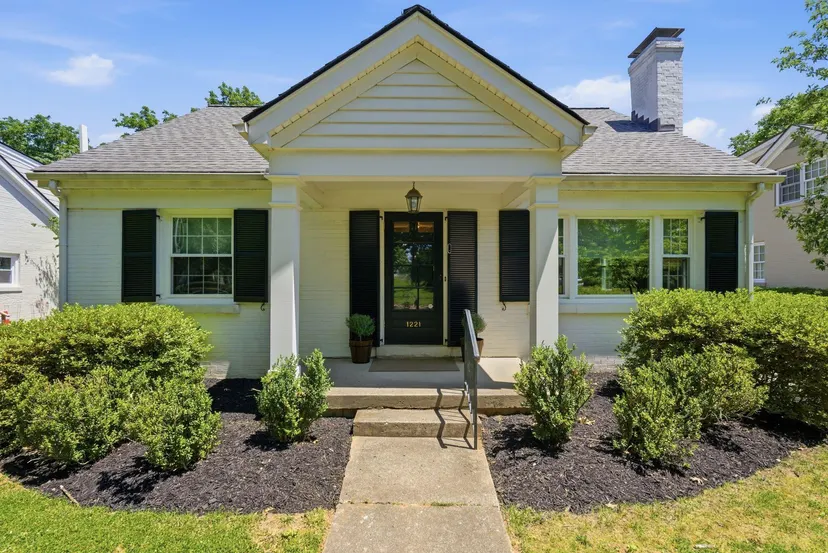
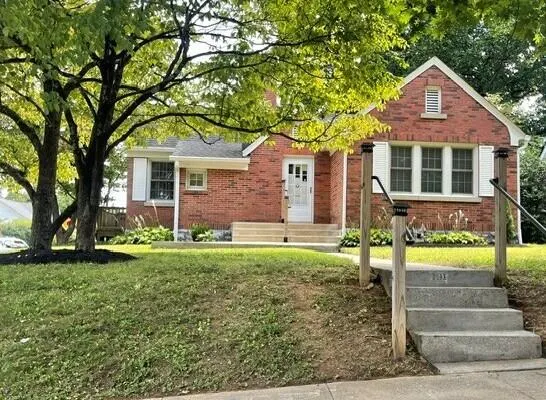
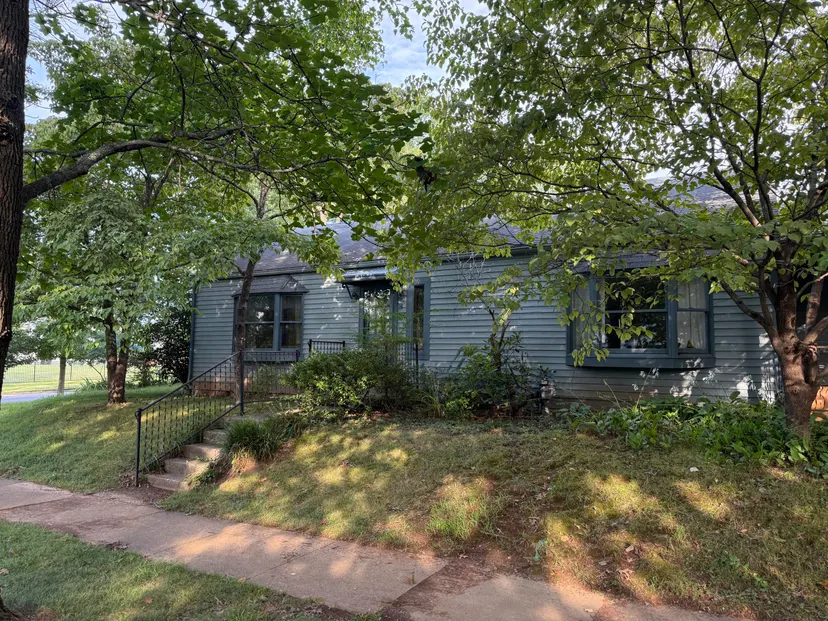
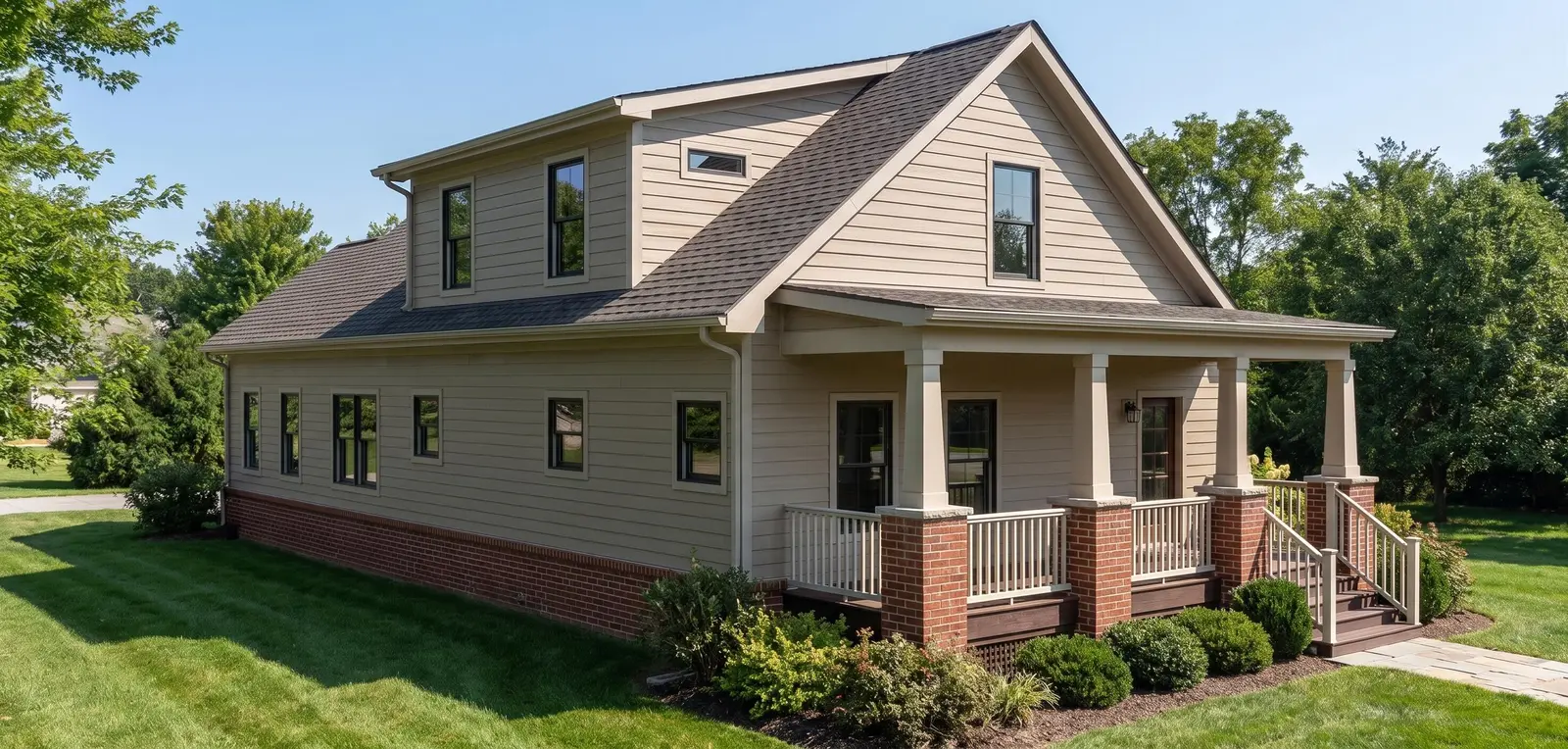
Classic Chevy Chase ($550K–$800K): Two- to three-bedroom homes built in the 1920s through 1940s. Cape Cod, Colonial Revival, and Craftsman bungalows with original hardwood floors, built-in cabinetry, plaster walls, and fireplaces. Lot sizes are typically 50 by 150 feet — small by suburban standards but normal for this era of construction. Many have been thoughtfully updated with modern kitchens and bathrooms while preserving the original character.
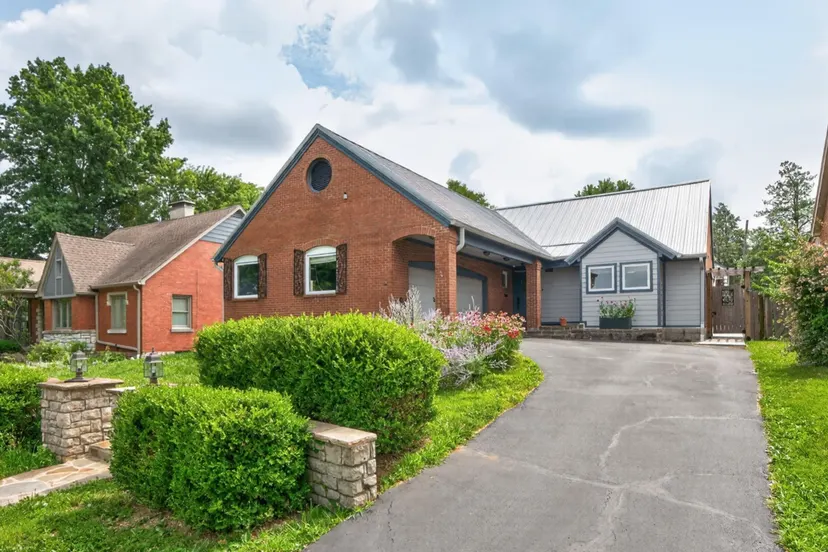
Renovated and expanded ($800K–$1.2M+): Homes that have been significantly updated or expanded over the years. You'll see additions that added primary suites, modern kitchens, and finished basements while keeping the exterior character intact. At this price point, expect high-end finishes — marble, custom cabinetry, professional landscaping, and sometimes a carriage house or guest suite.
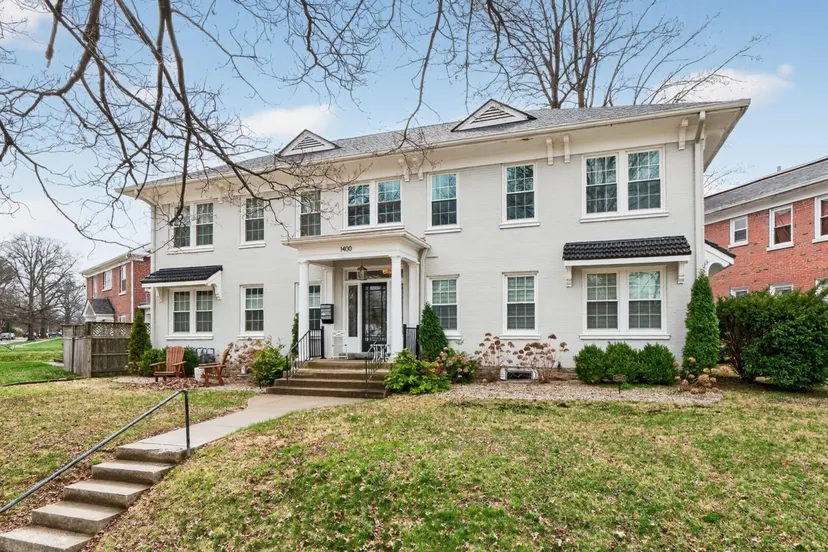
The architectural DNA of Chevy Chase is traditional through and through — but it's far from uniform. Alongside the Colonial Revival, Craftsman, and Cape Cod core you'll find Tudor Revival, Dutch Colonial Revival, Prairie, Georgian Revival, and the occasional Spanish Eclectic, French Eclectic, or Italian Renaissance design. Red brick exteriors, shuttered windows, columned entries, stone facades, and gabled roofs dominate, and every block reads a little differently — one reason a walk through Chevy Chase never gets old. The build quality from the 1920s and 1930s is exceptional — these homes were built with materials and craftsmanship that modern construction rarely matches. Hardwood floors that have held up for 90 years. Plaster walls that don't crack. Solid wood doors and trim.
The trade-off is real: you get less square footage, smaller lots, and older systems (plumbing, electrical, HVAC) that may need updating. But the bones are good, the location is irreplaceable, and the character is something you simply cannot build new.
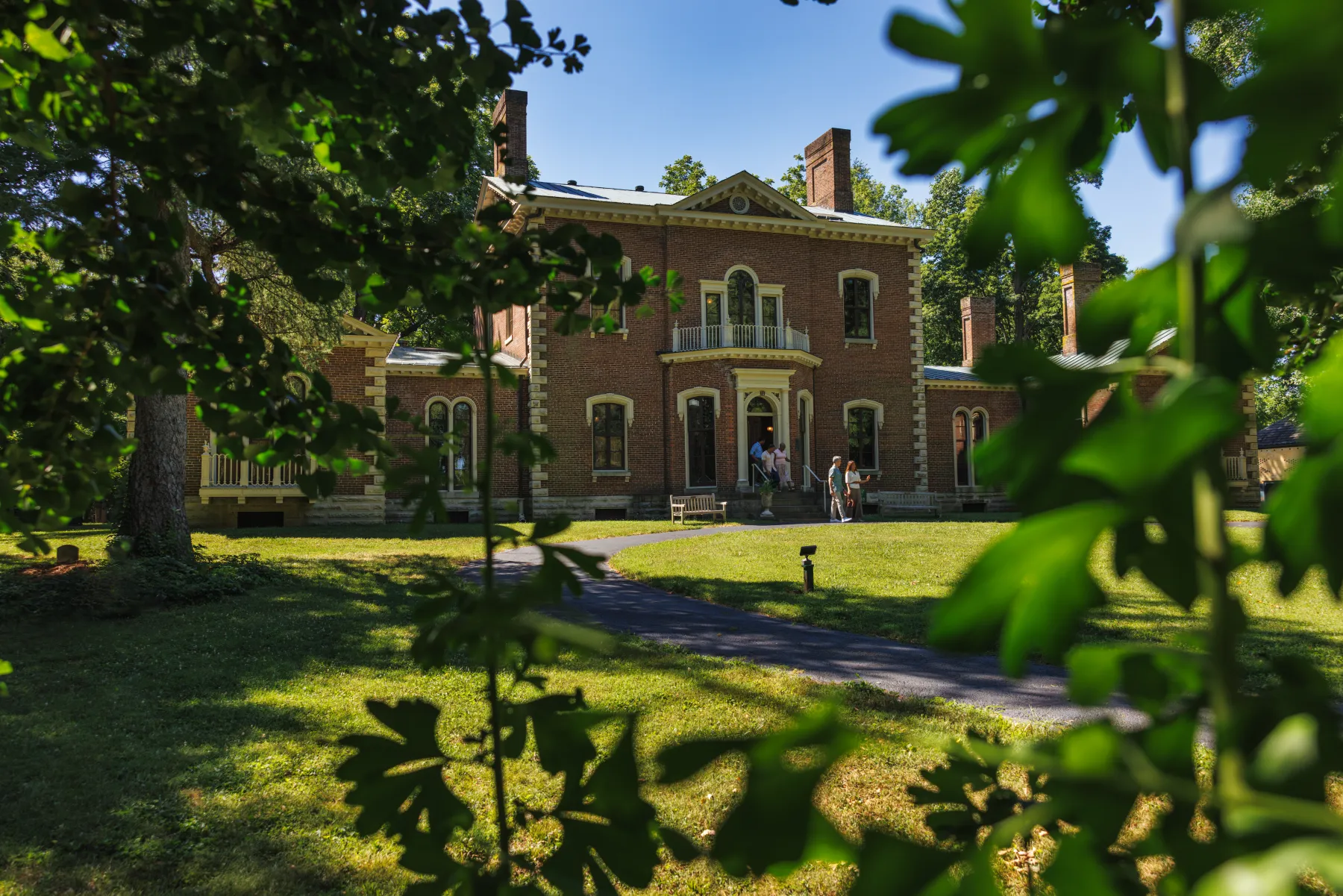
The land that is now Chevy Chase was once part of Henry Clay's 600-acre Ashland estate. Clay was a U.S. Senator, Secretary of State, Speaker of the House, and three-time presidential candidate — one of the most important political figures in American history. His estate, Ashland, is now a National Historic Landmark sitting at the edge of the neighborhood with 17 acres of gardens and walking paths open to the public.Chevy Chase took shape in the 1920s and 1930s, when Henry Clay Simpson — a descendant of Henry Clay — subdivided part of the old estate into a planned, mixed-use community: single- and multi-family homes, commercial blocks, churches, and public spaces all woven together intentionally. Simpson even preserved many of the mature trees from the Ashland Stock Farm, the respected thoroughbred operation that once occupied part of the land — some of the giants shading these streets today predate the neighborhood itself.
The name comes from a golf club in Maryland that Simpson joined while working in Washington, D.C. It has nothing to do with the comedian.
That hundred-year-old vision is exactly why Chevy Chase works so well today. The walkability wasn't retrofitted. It was the original plan.
This is where Chevy Chase earns its reputation.
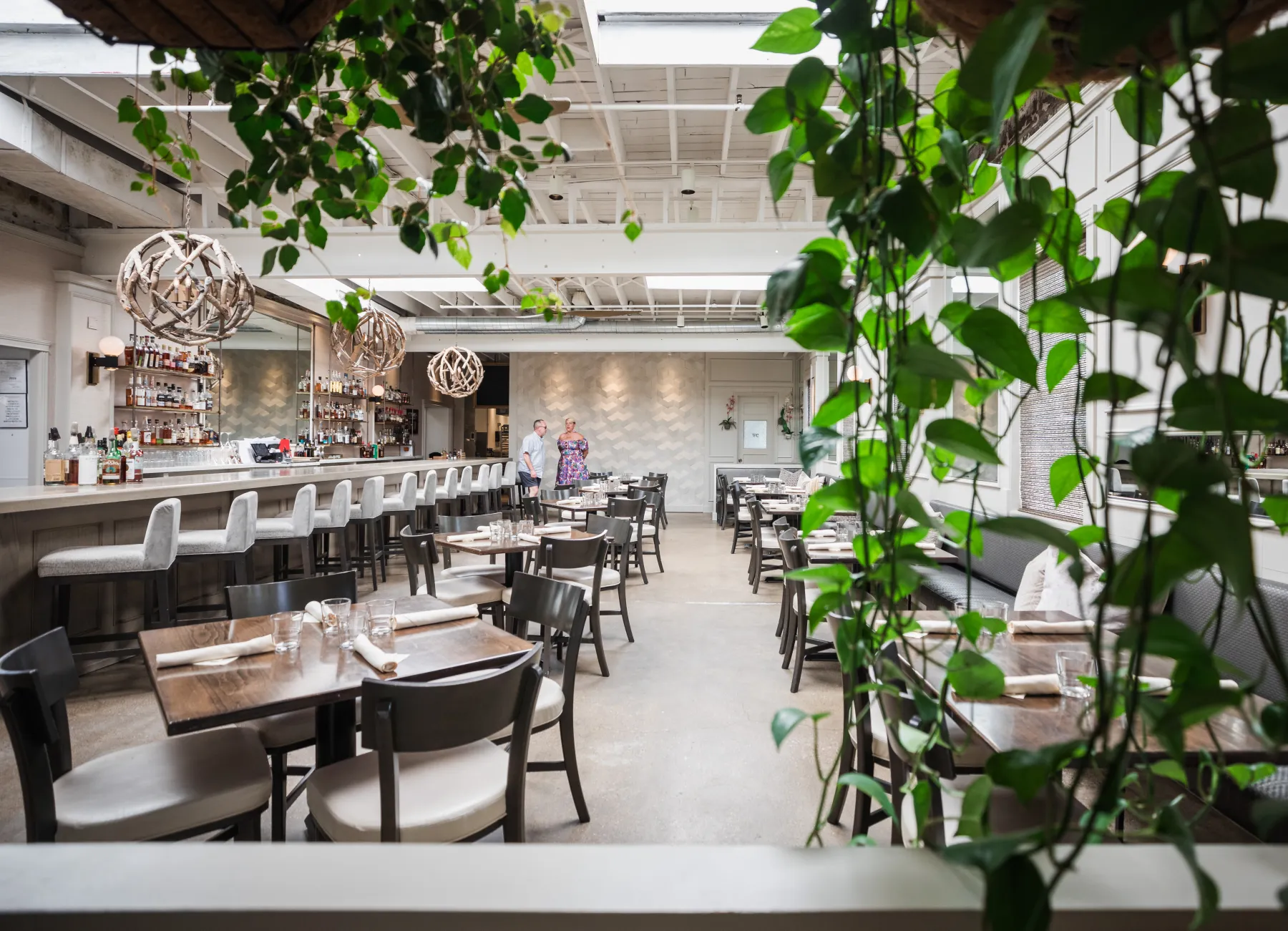
Dining: The neighborhood's restaurant scene punches well above its size. Bourbon N' Toulouse for Cajun and Creole. Coles for a proper date night. Josie's for breakfast. Puccini's for pizza and pasta. Oasis for Mediterranean. Papi's for Mexican. Bella Cafe & Grille for lunch and weekend brunch. The Sage Rabbit. Char for locally sourced food, coffee, pastries, and cocktails. Bear & The Butcher. You could eat out every night for two weeks without repeating a restaurant, and you'd walk to all of them.
Bars: Chevy Chase Inn (CCI) is Lexington's oldest bar and the neighborhood's iconic gathering spot. Charlie Brown's is famous for White Russians. The Beer Trappe has over 100 beers. Corner Wine rounds it out. The bar scene here is real and local — no chains, no gimmicks.
Coffee and bakery: Rise and Brine on Romany Road for coffee and chicken biscuits. Magee's Bakery is a Lexington institution. Graeter's Ice Cream for a sweet stop.
Shopping: The boutique scene along Clay Avenue and the surrounding blocks is one of Lexington's best. Monkee's, Peggy's, Stuart Mercer, Omar + Elsie, Peplum, Twirl — all locally owned, all walkable. John's Run/Walk Shop has been a community institution since 1978 and hosts group runs twice a week. Kentucky Roadshow on Romany Road is a sports memorabilia destination. Drybar and Revive Sauna Studio round out the wellness options.
The walk-to-everything lifestyle is not marketing language here. It's literal. Most residents can walk to groceries, dinner, drinks, shopping, coffee, and their kids' school without getting in a car. That's the Chevy Chase premium, and it's why people pay what they pay.
Ashland: The Henry Clay Estate is the neighborhood's crown jewel — 17 acres of manicured grounds with gardens, walking paths, and the historic mansion. It's right at the edge of Chevy Chase and functions as the neighborhood's backyard. Free to walk the grounds anytime.
Woodland Park offers tennis courts, basketball courts, a skatepark, a baseball diamond, green space, and the Woodland Aquatic Center with lap swimming, diving, and a kids' play pool. Parts of Woodland Park were designed by the Olmsted Brothers landscape architecture firm — the same firm behind Central Park's landscape design connections. It's a well-used, well-loved community park.
The neighborhood itself has a parklike quality. The triangular tree-filled islands at street intersections, the mature canopy throughout, and the human-scaled streetscapes make walking through Chevy Chase feel like walking through a garden. It's one of the most beautiful neighborhoods in Kentucky, and I don't say that casually.
Chevy Chase's location is arguably the best in Lexington:
University of Kentucky campus: Under 5 minutes — UK literally borders the neighborhood
Baptist Health / UK HealthCare: 5–10 minutes
Bluegrass Airport: 15 minutes
Hamburg / east side: 15–20 minutes
For anyone who works at UK, at a hospital, or downtown, Chevy Chase is the most convenient residential neighborhood in the city. The commute is essentially nonexistent. Some residents bike to work.
UK professors and administrators — the university is right there, and the academic community has deep roots in Chevy Chase. Many have lived here for decades.
Downtown professionals — lawyers, doctors, executives who want a 5-minute commute and a walkable evening.
Established families who prioritize the Cassidy Elementary pipeline and want their kids to grow up in a neighborhood with real character.
Empty nesters who don't want to leave the walkability and community they've built. Some downsize within Chevy Chase — selling the bigger house and buying a smaller one on the same street.
Buyers from other cities who are used to walkable urban neighborhoods (think: Highland Park in Dallas, Myers Park in Charlotte, German Village in Columbus) and want the closest equivalent Lexington offers.
Size vs. location: You will get less square footage per dollar in Chevy Chase than anywhere else in Lexington. An $800K home here might be 1,800 square feet on a 7,500-square-foot lot. That same budget in Hamburg buys 3,000+ square feet on a quarter acre. You're paying for irreplaceable location, not space.
Renovation costs: Many homes need updating — plumbing, electrical, HVAC, kitchens, bathrooms. Budget accordingly. A well-done renovation in Chevy Chase adds significant value because the bones and location are already premium.
Parking: Lots are small, garages are often one-car or detached, and street parking is the norm. If you need a three-car garage, this isn't your neighborhood.
Inventory: Extremely low turnover. Chevy Chase is a neighborhood people stay in for decades. When a home hits the market, it moves fast — homes have been averaging around 23 days on market, and the most sought-after streets go faster. If you're serious about Chevy Chase, you need to be watching the market daily and ready to act within hours, not days.
Property taxes: On an $810K home, expect roughly $7,500–$9,000 annually in Fayette County taxes.
Investment perspective: Chevy Chase is one of the safest real estate investments in Lexington. Scarcity (only ~1,000 homes), top-tier schools, walkability, historic character, and UK proximity create consistent demand regardless of market conditions. Values here don't dip the way they can in neighborhoods with more inventory.
If Chevy Chase is where you want to be, let's talk strategy. Homes here require a different approach than most neighborhoods — you need to know what's coming before it hits the MLS, and you need to move fast when it does. Reach out anytime.
Questions About Chevy Chase?
I'd rather answer the specific question than have you guess from a page. Schools for one address, which streets stay quiet, what a place is really worth — ask me and I'll tell you straight, whether or not it helps me.
Most of Chevy Chase feeds into one of Lexington's strongest school pipelines — though assignment is address-dependent (parts of the neighborhood feed Ashland Elementary instead), so confirm your exact zone with the FCPS SchoolSite Locator before you fall in love with a street.
Cassidy Elementary is the crown jewel — a National Blue Ribbon School with GreatSchools and Niche ratings that consistently put it in the top 5% of Kentucky elementary schools. It has a 14:1 student-teacher ratio and 76% proficiency rates in both reading and math. Families move to Chevy Chase specifically for Cassidy, and it's a significant driver of property values.
Morton Middle School is rated A by Niche and ranked 21st in Kentucky by U.S. News, earning a Best Middle Schools badge. SchoolDigger gives it 5 stars and ranks it 28th of 324 Kentucky middle schools.
Henry Clay High School — named after the neighborhood's historical connection — earns an 8/10 from GreatSchools and an A- from Niche, with a 93% graduation rate. It's ranked 30th in Kentucky by U.S. News and 24th of 254 high schools by SchoolDigger.
This is one of the best public school progressions in the state: Blue Ribbon elementary, top-ranked middle school, and an A-rated high school — all zoned from the same neighborhood.
The median sale price in Chevy Chase over the last 12 months is approximately $812K, up roughly 10% year over year. Homes range from around $500K for smaller, original-condition properties to $1.8M for fully renovated or expanded homes.
Most of Chevy Chase feeds Cassidy Elementary (a National Blue Ribbon School), Morton Middle School (A-rated, top 25 in Kentucky), and Henry Clay High School (8/10 GreatSchools, 93% graduation rate). Assignment is address-dependent — parts of the neighborhood feed Ashland Elementary — so confirm your exact zone with the FCPS SchoolSite Locator.
Chevy Chase is one of Lexington's most walkable neighborhoods, with Walk Scores ranging from 60 to 85 depending on the specific street. Most residents can walk to restaurants, bars, coffee shops, boutiques, and schools without a car.
Chevy Chase is about 2 miles from downtown Lexington (5–10 minutes by car) and directly borders the University of Kentucky campus (under 5 minutes). Many residents bike or walk to work.
Homes are primarily early 20th century — Cape Cod, Colonial Revival, Craftsman bungalows, Tudor Revival, Dutch Colonial Revival, and Prairie styles, with occasional Georgian Revival, Spanish Eclectic, French Eclectic, and Italian Renaissance designs. Red brick, stone facades, and classic detailing are typical. Lot sizes are modest (50x150 feet) with mature landscaping.
The neighborhood is named after the Chevy Chase Club, a golf club in Maryland that developer Henry Clay Simpson joined while working in Washington, D.C. When he subdivided part of the old Ashland estate in the 1920s, he borrowed the club's name for his new neighborhood. It has no connection to the comedian.
Scarcity, location, walkability, and schools. There are only about 1,000 homes in the neighborhood, turnover is low, the Cassidy Elementary zone is one of the most sought-after in Kentucky, and the walkable commercial district is irreplaceable. You're paying for what can't be built anywhere else.
The neighborhood was part of Henry Clay's 600-acre Ashland estate.Parts of the area were designed by the Olmsted Brothers landscape firm. Ashland itself is now a National Historic Landmark with 17 acres of public gardens.
Yes — if you prioritize schools, walkability, and community over house size. Cassidy Elementary is a Blue Ribbon School, the neighborhood is safe and pedestrian-friendly, and kids can walk to school, parks, and ice cream. The trade-off is smaller homes and lots compared to suburban neighborhoods.
Be first
Never Miss a Chevy Chase Listing
Homes in This Neighborhood
Tell me what you're looking for here and I'll send matching homes the moment they hit the market — no pressure, just the right ones.
Thinking About Chevy Chase?
Tell me what you're looking for, or ask me anything about the area — schools, streets, the honest tradeoffs. Call or send a note; I answer my own phone.