A Local's History of Lexington KY — and What It Left Behind
I sell houses inside a history book. Not a metaphor — the streets I show homes on were platted before Kentucky was a state, and the reason a horse farm still touches the city limits is a policy decision older than most of my clients.
So here is the history of Lexington KY the way an agent actually uses it: era by era, with what each one left on the ground that you can still walk, tour, or buy.
The short version: founded in 1775 and named for the battle that opened the Revolution, Lexington got rich early — by 1820 it was the "Athens of the West," one of the largest and wealthiest towns beyond the Alleghenies. Horses became the economy's signature, Keeneland opened in 1936, and in 1958 the city drew the nation's first urban growth boundary, the single decision that most explains how Lexington looks — and what its homes cost — today.
Reading this because you're thinking about living here? My moving-to-Lexington guide is the practical companion to this one.
1775: A Campfire Names a City
The story starts at McConnell Springs, a few minutes west of today's downtown, where frontier explorers camped in 1775 just as news arrived of the Battle of Lexington in Massachusetts — the opening shots of the American Revolution. They named their future settlement after the battle on the spot. Kentucky statehood would not come for another seventeen years; the town outranks the state.
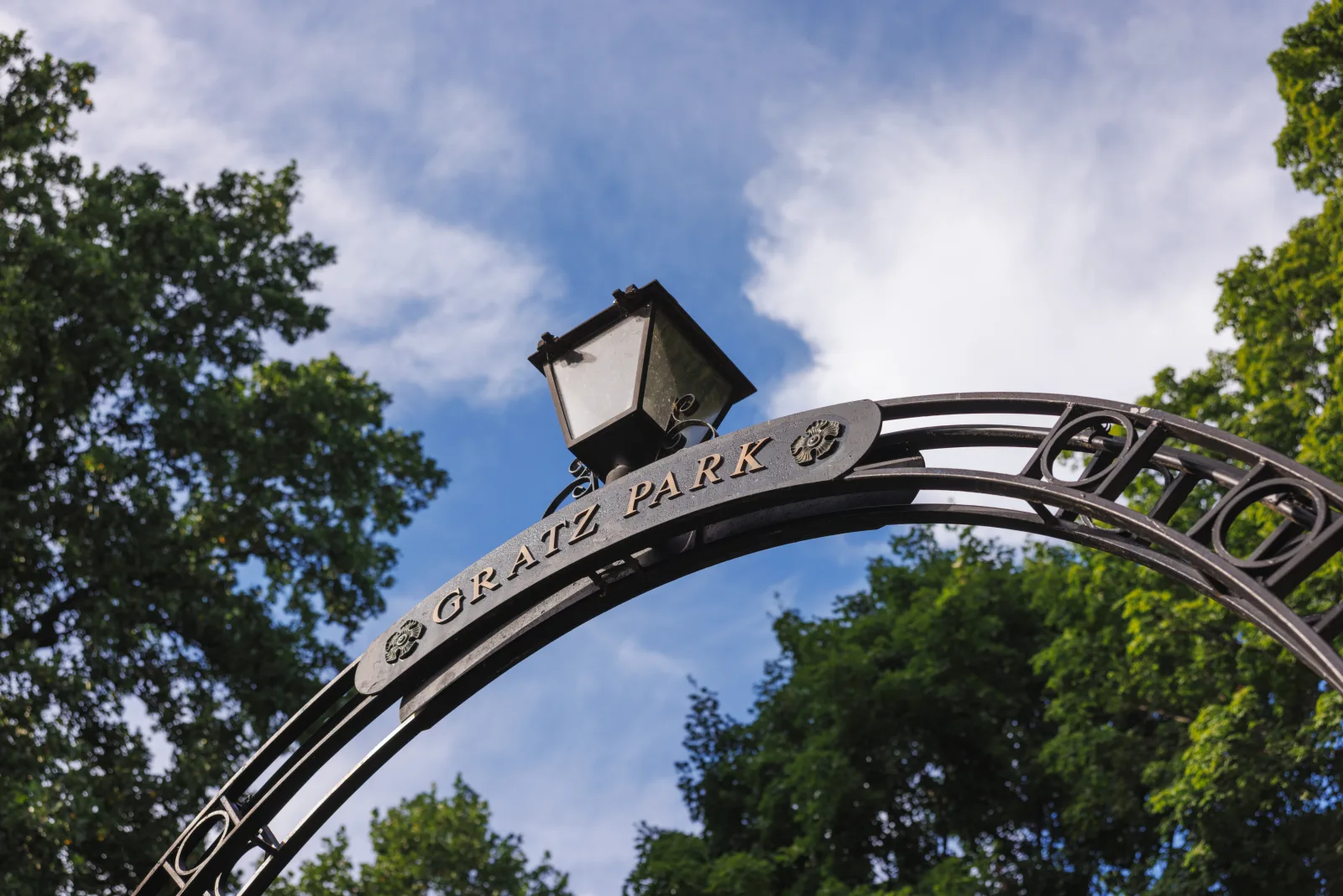
You can still stand in the spot. McConnell Springs is now a nature preserve inside the city, and the blocks around Gratz Park — platted in the town's first years — hold some of the oldest surviving houses in Kentucky. That wrought-iron park gate in the photo above is one of my favorite spots in the city, and homes two blocks from it still trade on the open market.
The Athens of the West
Here is the part of Lexington's story most newcomers never hear: for a stretch of the early 1800s, this was one of the most important towns in the American West. Hemp, tobacco, and trade money piled up, and by 1820 Lexington ranked among the largest and wealthiest towns west of the Alleghenies — with theaters, newspapers, and a university to prove it. Admirers called it the Athens of the West, and it wasn't entirely flattery.
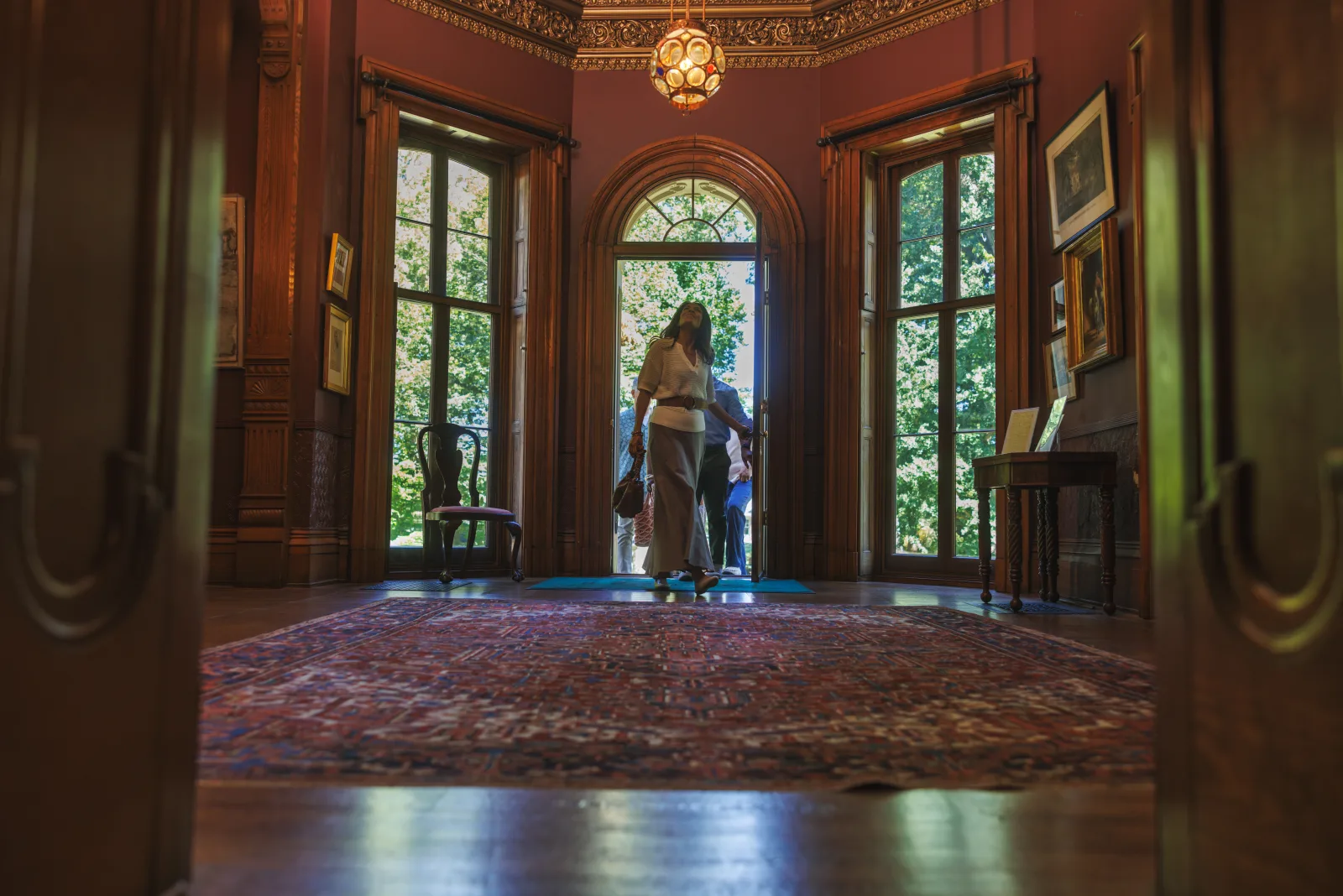
The university was Transylvania — chartered in 1780, the first college west of the Allegheny Mountains, and still teaching students on the north edge of Gratz Park today. Henry Clay, the century's most famous Kentuckian, practiced law here, taught at Transylvania, and built his estate, Ashland, on what was then the town's edge. And on West Main Street stands the Mary Todd Lincoln House, built by 1806, girlhood home of a future First Lady — in 1977 it became the first house museum in America dedicated to one.
That era's honest legacy is worth naming too: the wealth of antebellum Lexington was built in large part on enslaved labor, and Cheapside — now a downtown gathering space — was one of the state's largest slave markets. The city tells that history openly now, and I think a local guide should as well.
Horses Become the Signature
The limestone shelf under the Bluegrass filters the water, feeds the grass, and — as generations of horsemen swear — builds better bone in a thoroughbred. Racing here is as old as the town, and by the late 1800s the farms surrounding Lexington were the country's breeding heartland.
The institution that fixed the identity in place is Keeneland, opened in October 1936 as something rare in racing: a nonprofit track founded by horse people for the sport itself. Ninety years later its spring and fall meets are still the best regular event on the Lexington calendar, and its yearling sales still set world records. If you want the full case for why this is the Horse Capital of the World, I made it in my horse country living guide.
1958: The Line That Made Modern Lexington
Now the decision I bring up in more showings than any other. In 1958, Lexington became the first city in the nation to draw an urban growth boundary — the Urban Service Boundary — requiring new development to stay inside a line and leaving the farmland outside it protected.
Every distinctive thing about the Lexington housing market traces to that line. It is why a ten-minute drive from downtown ends at a horse farm instead of a subdivision that sprawls to the county line. It is why land inside the boundary carries scarcity value, why infill and redevelopment are constant local debates, and why the growth that does happen — Hamburg on the east side, Masterson Station on the northwest — is planned and dense rather than endless. When people ask me why Lexington homes hold value the way they do, the honest answer starts in 1958, not in last month's numbers. (Today that looks like a $375,000 median sale price and 2.01 months of supply.)
The City You're Standing In
The chapters since then wrote the neighborhoods I sell every week. The streetcar-and-automobile suburbs of the early 1900s became Kenwick's bungalows and Chevy Chase's shaded blocks. The University of Kentucky grew into the city's economic engine. IBM's arrival in the 1950s seeded the tech-and-professional economy that Lexington still runs on, and the merged city-county government of the 1970s gave the whole county one set of rules — which is why that 1958 boundary still has teeth.
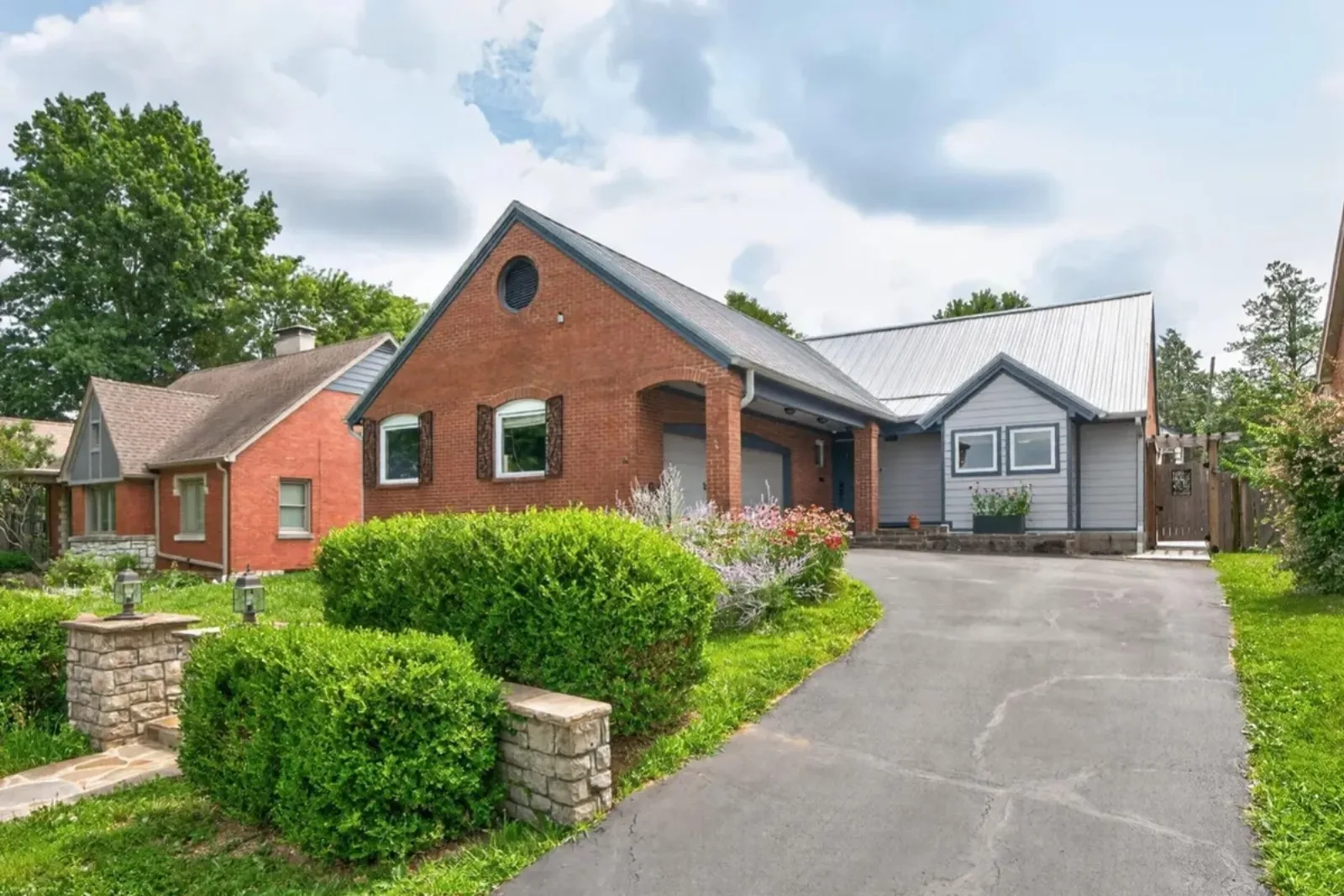
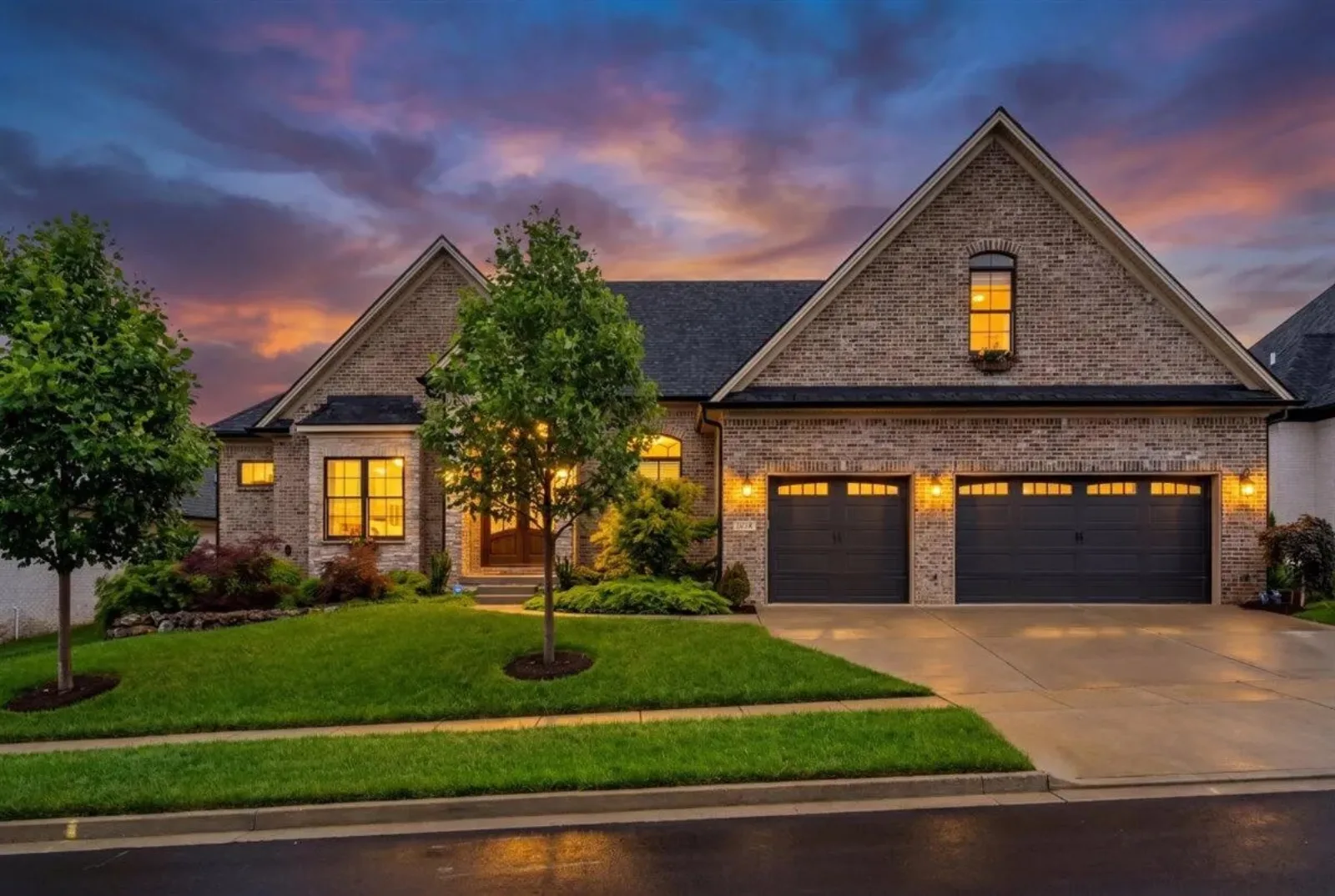
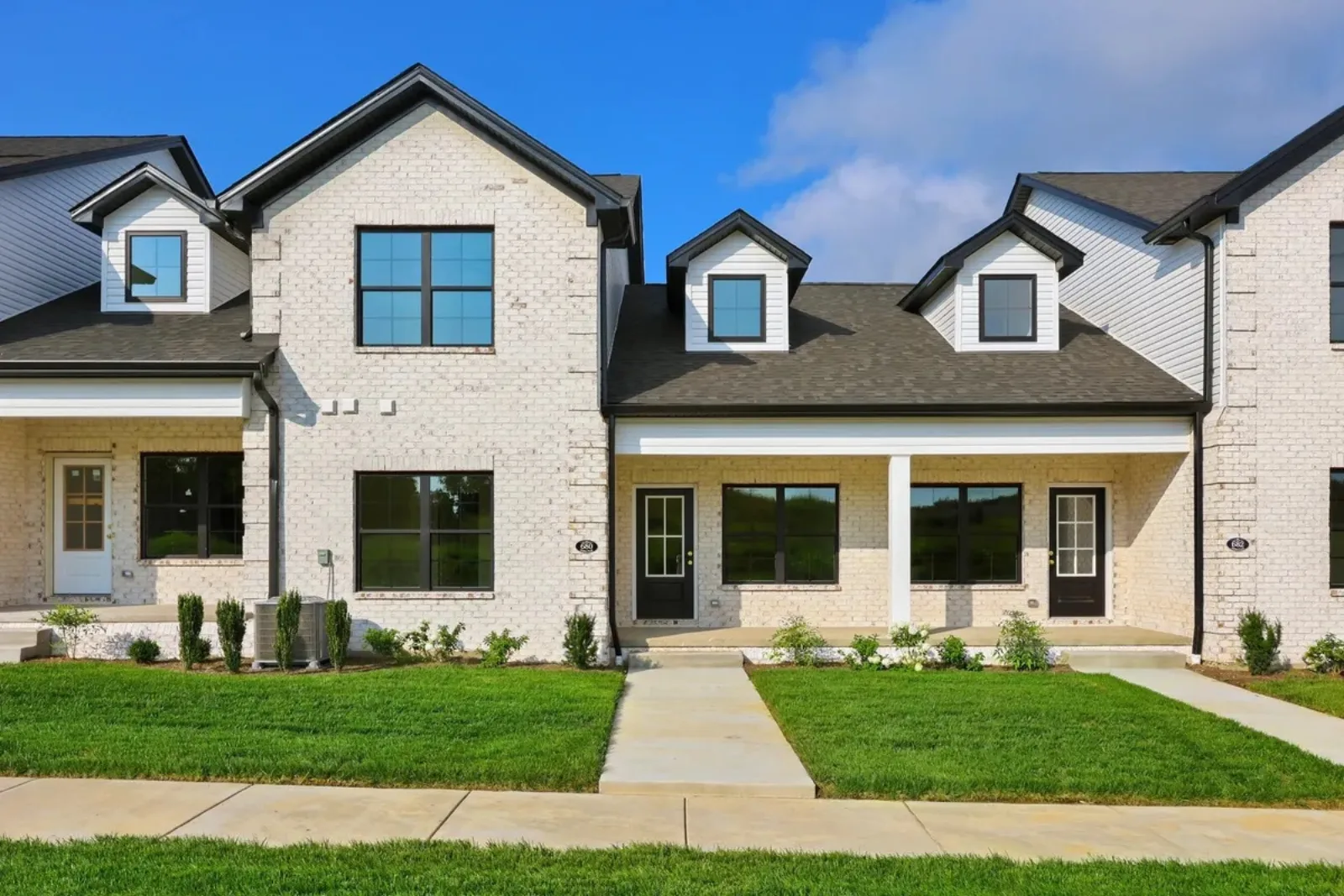
What I love about showing homes here is that the whole timeline is purchasable. A Federal-era townhouse near Gratz Park, a 1920s foursquare in Chevy Chase, a mid-century ranch, a new build in Hamburg — same city, same afternoon. History here is not behind glass; it has a price per square foot.
Frequently Asked Questions
How old is Lexington, Kentucky?
Lexington was founded in 1775 — seventeen years before Kentucky became a state. Frontier explorers camped near McConnell Springs and named the site for the Battle of Lexington in Massachusetts, the opening fight of the American Revolution that had just reached them as news.
Why is Lexington called the Athens of the West?
By 1820 Lexington was one of the largest and wealthiest towns west of the Allegheny Mountains, with a university, theaters, and a cultured social scene unusual for the frontier — so admirers called it the Athens of the West. Transylvania University, chartered in 1780 as the first college west of the Alleghenies, was the anchor of that reputation and still sits beside Gratz Park today.
Why is Lexington the Horse Capital of the World?
The same limestone under the whole region filters into the water and the bluegrass, and generations of horsemen decided that made ideal bone-building ground for thoroughbreds. Racing here goes back to the town's earliest decades, Keeneland opened in 1936 as a track built by horse people rather than promoters, and the surrounding farms have bred Derby winners for more than a century.
What is Lexington's urban service boundary?
In 1958 Lexington drew a line around itself and required new development to stay inside it — the first urban growth boundary in the nation. It is the reason you can drive ten minutes from downtown and be surrounded by horse farms: the countryside is not leftover land, it is protected land, and that scarcity shapes home values inside the boundary to this day.
What is the oldest neighborhood in Lexington?
The blocks around Gratz Park, platted at the town's founding, hold some of the city's oldest surviving houses — including the Hunt-Morgan House and, nearby, the Mary Todd Lincoln House, built by 1806. For a neighborhood you can actually buy into, the historic districts ringing downtown — Gratz Park, Bell Court, and their neighbors — carry the city's oldest continuously lived-in streets.
Is Lexington worth visiting for its history?
Yes, and you can cover a lot in a weekend: the Mary Todd Lincoln House downtown, Ashland — Henry Clay's estate — on Richmond Road, Gratz Park and Transylvania's campus, and a Keeneland morning during a race meet. The best part is that none of it is a museum district; people live, work, and buy homes in the middle of all of it.
Come See the Parts You Can Buy
Most cities make you choose between history and livability. Lexington never has. If the idea of owning a piece of this timeline appeals to you — any century of it — tell me what you're drawn to and I'll show you what's on the market, or start browsing the current Lexington listings yourself. And if you're planning a first visit, my things to do in Lexington guide covers the present tense.
Historical facts per Britannica, VisitLEX, Transylvania University, Keeneland, the Mary Todd Lincoln House, the Henry Clay Estate, and Lexington's published Urban Service Boundary history (CivicLex / Fayette Alliance / LFUCG). Market data: Bluegrass Realtors / FlexMLS, July 2026 Lexington residential. Raya Rivera is a real estate advisor with The Brokerage in Lexington, KY.