Bell Court is a 157-building historic district immediately southeast of downtown, and it was built for exactly one reason: so people could walk to work. It went up around the turn of the twentieth century, before cars were widely available, and that original logic still governs how the neighborhood feels — tight streets, deep porches, downtown a few minutes away on foot.
The housing is mostly Victorian and Queen Anne, with a good number of Arts and Crafts houses mixed in. It has been on the National Register of Historic Places since 1982 and is a featured stop on the Register's Lexington travel itinerary, "Athens of the West."
It is a small district and people tend to stay, so listings are not constant. If you want a turn-of-the-century house with real millwork and a five-minute walk to downtown, this is one of the few places in Lexington that delivers both.
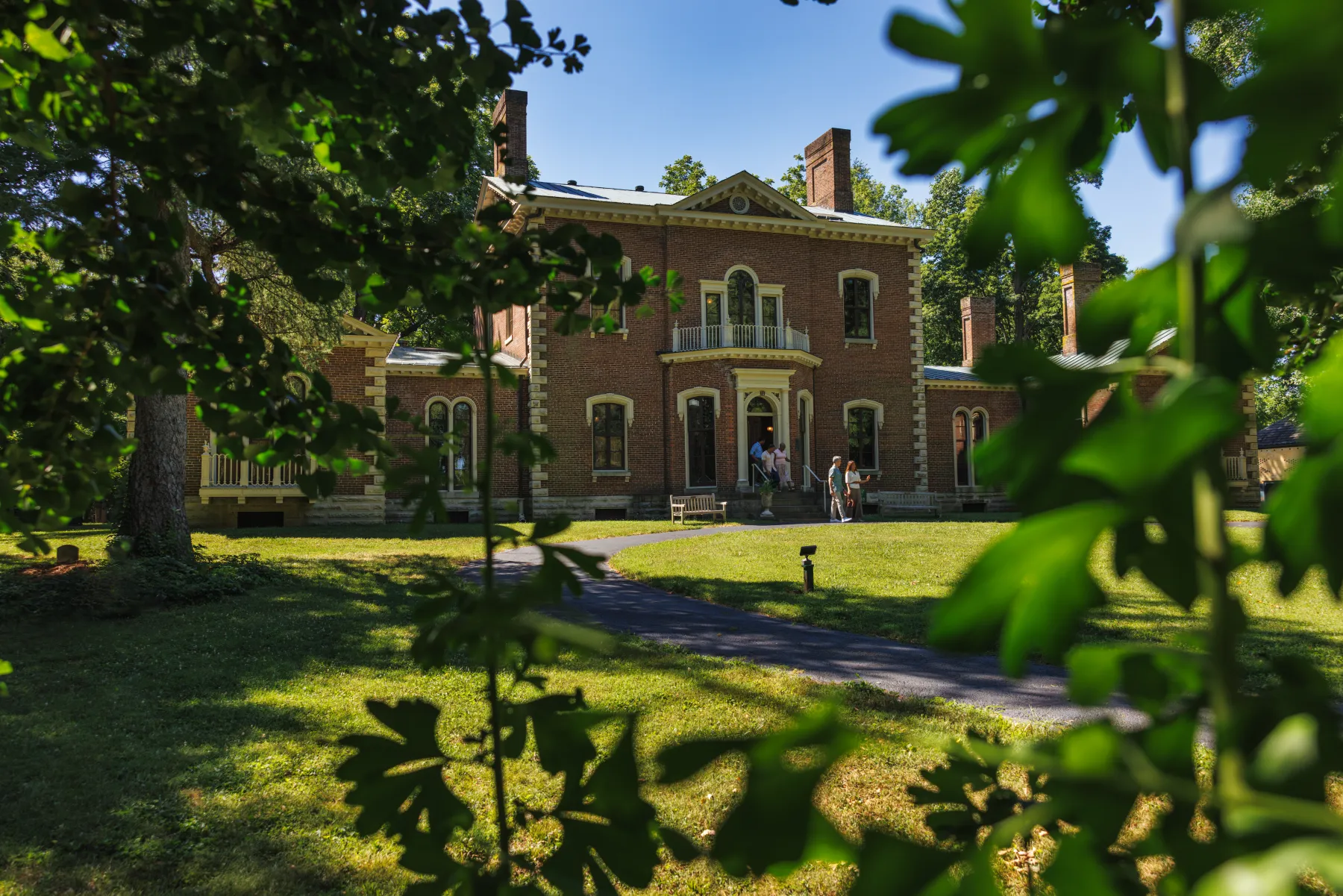
The neighborhood is named for, and grew up around, the Bell House — which predates the surrounding district by more than fifty years.
It was built in 1845 by prominent Lexingtonian David A. Sayre, working with Thomas Lewinski, one of the most consequential architects in Lexington's history. The design combines Greek Revival and Romanesque elements, which is unusual and part of why the building still gets attention.
The City of Lexington purchased the house in 1940. It is now part of a public city park, which means the neighborhood's centerpiece is permanently protected open space rather than something a future owner can subdivide.
Homes: about 225, from smaller historic cottages to substantial houses.
A note on two different counts: the historic district is documented as 157 buildings, while real-estate sources count roughly 225 homes. Both are correct — 157 counts buildings inside the designated National Register district, 225 counts homes inside the wider neighborhood boundary.
Median build year: around 1920.
Average single-family home: roughly 3,500 square feet.
Character: many with ornate original architectural detail — the reason the district survived intact this close to downtown.
Neighborhood-level figures below are as-published by homes.com's Lexington local guide (extracted 2026-06-01, re-verified against the vault record 2026-08-01) and describe the housing stock, not current asking prices. For what is actually for sale and what it costs today, the active count and median list price at the top of this page are pulled live from the MLS feed.
Bell Court was developed around the turn of the twentieth century as a middle-class neighborhood, and its location was the entire selling point. Before automobiles were widely available, living within walking distance of downtown jobs was not a lifestyle preference — it was a requirement.
That original constraint produced a neighborhood that happens to be exactly what a lot of buyers want again now: compact, sidewalked, and close enough to downtown that the car stays parked. The thing that made it practical in 1905 is the thing that makes it desirable in 2026.
The district contains 157 buildings, most of them houses. That number is worth sitting with, because it defines the market.
A district this size does not generate steady inventory. In a typical stretch you may see a small handful of active listings, sometimes none. Buyers who get the house they want in Bell Court are usually the ones who were already watching.
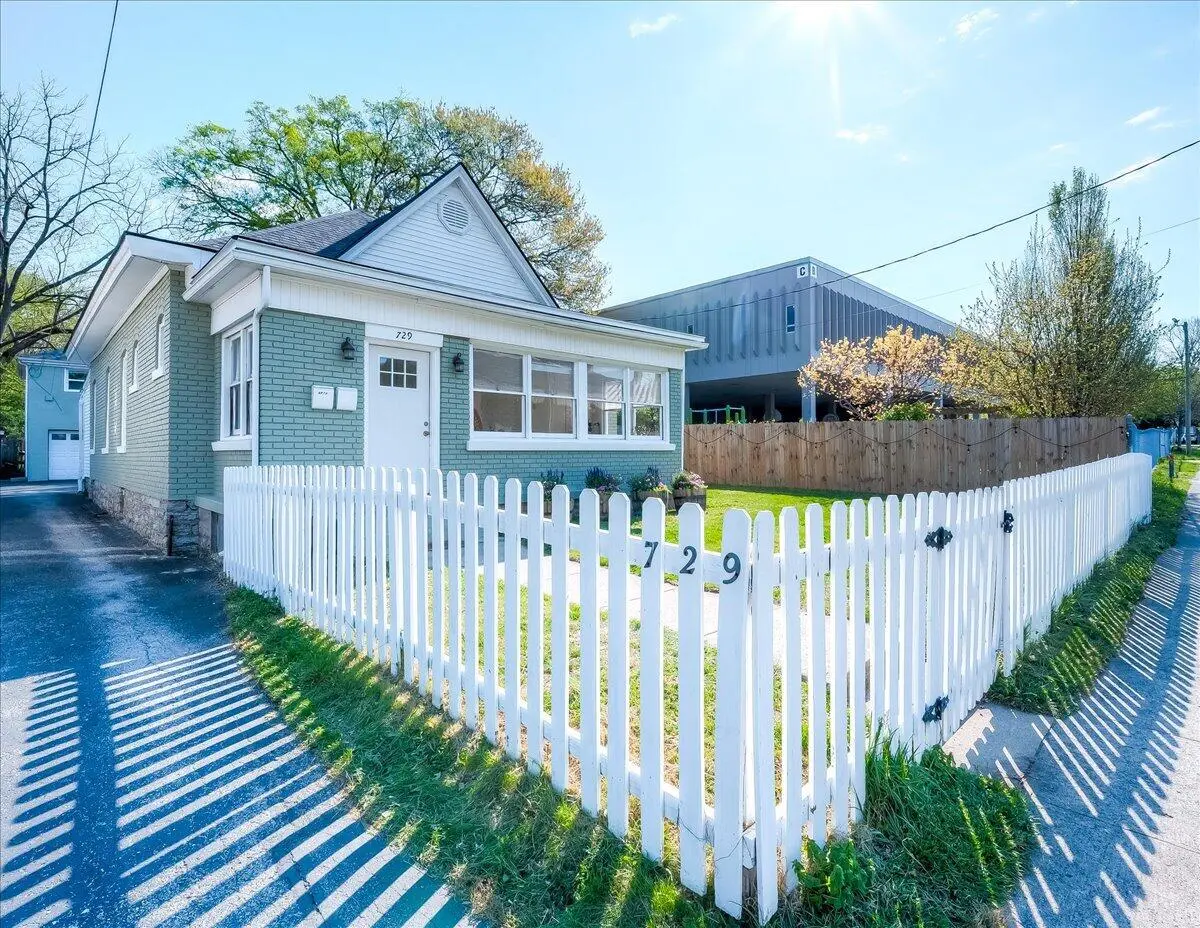
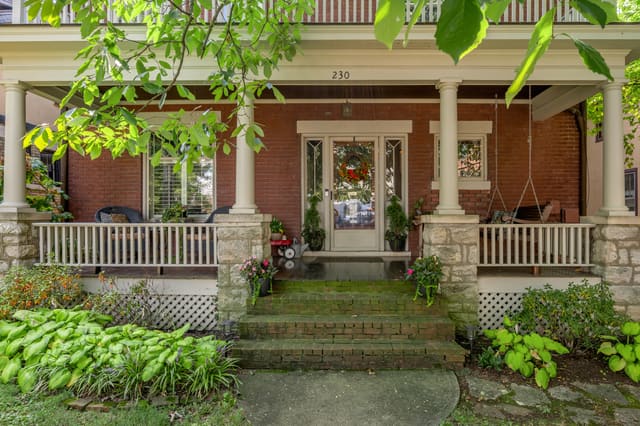
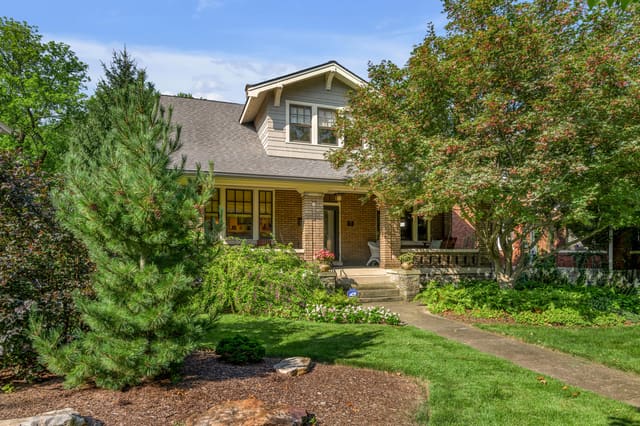
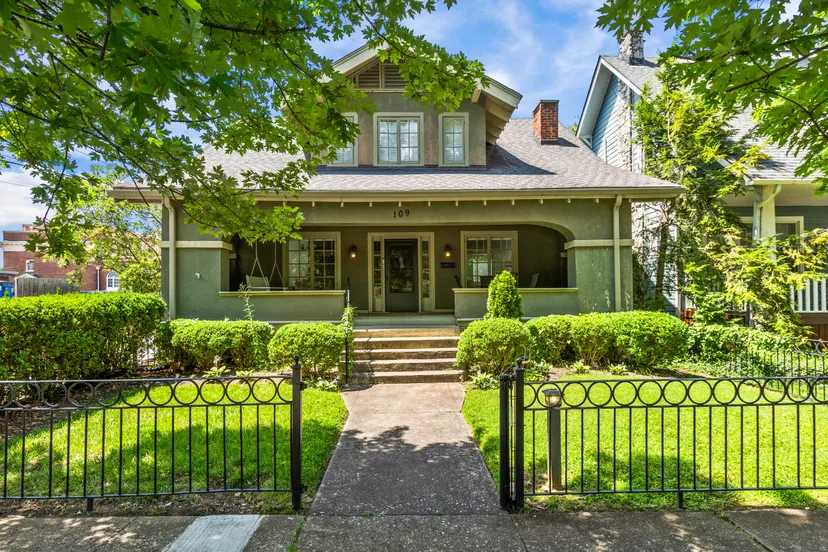
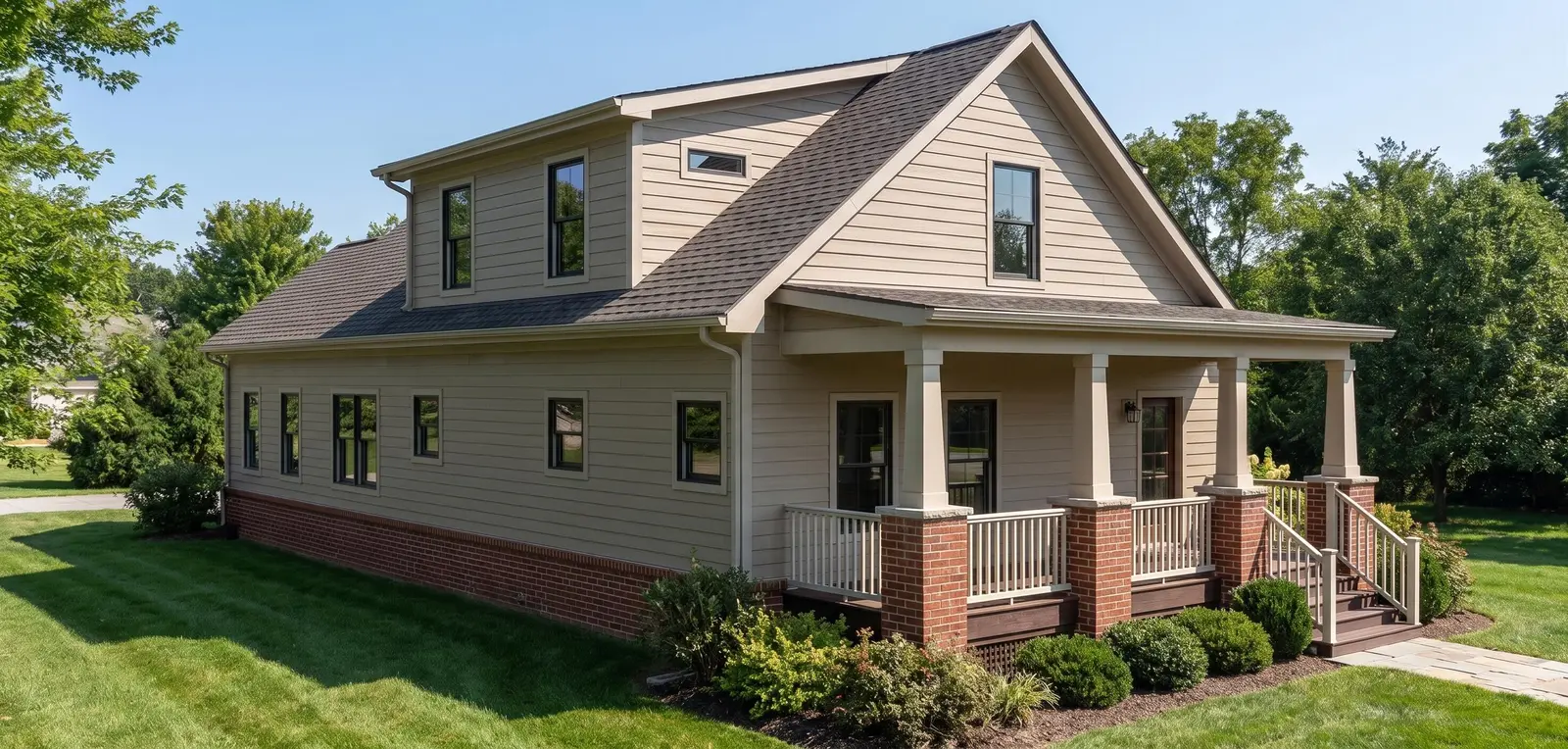
Most of the homes reflect the Victorian and Queen Anne styles popular at the turn of the twentieth century, and there are also many Arts and Crafts houses through the district.
In practice that means asymmetrical facades, wraparound and inset porches, decorative shingle and spindle work, bay windows, and interior details — staircases, mantels, pocket doors, original trim — that are the reason people put up with the maintenance.
Bell Court has been listed on the National Register of Historic Places since 1982, and it is a featured historic-neighborhood stop on the Register's Lexington travel itinerary, "Athens of the West."
Understand the distinction before you plan a renovation. National Register listing is largely honorific on its own and does not by itself control what you may do to your house. What actually governs exterior work is local zoning overlay and any covenants on the property. Ask me to pull the specific status for an address rather than assuming either extreme.
The Bell Court Neighborhood Association was formed in 1962 and incorporated in 1965, with the stated purpose of furthering preservation and improvement of the neighborhood.
Sixty-plus years of continuous organization is why the district still reads as intact. Neighborhoods this close to a downtown core usually get chipped away by parking lots, conversions and teardowns. Bell Court did not, and that was a choice residents made and kept making.
Bell Court is immediately southeast of downtown Lexington, which puts it inside the cluster of historic east-side neighborhoods along with Kenwick, Ashland Park and Chevy Chase.
Practically: downtown on foot, the Chevy Chase commercial strip a short distance out, and the University of Kentucky campus close enough to matter for anyone university-affiliated.
These are homes built around 1900. Assume every system has been replaced at least once, and that the quality of those replacements varies enormously house to house.
What I look at closely here: electrical panel age and capacity, whether any knob-and-tube survives in attics and crawlspaces, whether supply plumbing is still galvanized, foundation and drainage, and the condition of porches — which are the defining feature of this housing stock and also the part most exposed to weather and most expensive to rebuild correctly.
The single most common mistake I see in this kind of housing stock is stripping out the details that make the house worth buying.
Original staircases, trim, mantels, and wavy-glass windows are not obstacles to a modern renovation — they are the asset. Buyers pay a premium for intact detail and discount heavily for a period house that has been gutted into something generic. If you want an open-concept great room, buy a house that already has one somewhere else.
Bell Court draws people who specifically want an old house and a walkable address, and who have thought about the tradeoffs rather than discovering them later.
Professionals working downtown, university-affiliated buyers, and people moving in from larger cities who are used to walking places and are not willing to give it up. It draws fewer buyers who need a garage, a big yard, or square footage per dollar — and I would steer those buyers elsewhere rather than sell them a house they will fight with.
Questions About Bell Court?
I'd rather answer the specific question than have you guess from a page. Schools for one address, which streets stay quiet, what a place is really worth — ask me and I'll tell you straight, whether or not it helps me.
Bell Court is served by Fayette County Public Schools, with assignments made by address. Before committing to a specific home, let's confirm its exact elementary, middle, and high school assignment together using the FCPS SchoolSite Locator.
Yes. Bell Court has been listed on the National Register of Historic Places since 1982 and is a featured historic-neighborhood stop on the Register's Lexington travel itinerary, "Athens of the West." National Register listing is largely honorific on its own — local zoning overlay and property covenants are what actually govern exterior changes, so confirm those for the specific address.
The 1845 house the neighborhood is named for and grew up around. It was built by prominent Lexingtonian David A. Sayre with architect Thomas Lewinski, and combines Greek Revival and Romanesque elements. The City of Lexington bought it in 1940 and it is now part of a public city park.
The district contains 157 buildings, most of them houses. That small size is why active inventory is limited and why buyers who succeed here are usually watching the neighborhood before a house lists.
Most homes reflect the Victorian and Queen Anne styles popular at the turn of the twentieth century, and there are also many Arts and Crafts houses throughout the district.
It was developed around the turn of the twentieth century as a middle-class neighborhood positioned so residents could walk to their downtown jobs, before automobiles were widely available. That original walk-to-work logic is why the neighborhood is compact, sidewalked, and still genuinely walkable today.
Bell Court is in the Fayette County Public Schools district. Lexington school zones do not follow neighborhood boundaries and they get redrawn, so I verify the assignment for the specific address through the FCPS SchoolSite Locator rather than quoting a neighborhood-level answer. Send me the address you're considering and I'll pull the current zone.
Yes, and a long-running one. The Bell Court Neighborhood Association was formed in 1962 and incorporated in 1965 to further the preservation and improvement of the neighborhood. Sixty-plus years of continuous organization is a large part of why the district survived intact this close to downtown.
These houses date to around 1900, so assume the systems have been replaced at least once and that quality varies by address. Priorities: electrical panel age and capacity, any surviving knob-and-tube in attics or crawlspaces, whether supply plumbing is still galvanized, foundation and drainage, and porch condition — porches define this housing stock and are expensive to rebuild properly.
Be first
Never Miss a Bell Court Listing
Homes in This Neighborhood
Tell me what you're looking for here and I'll send matching homes the moment they hit the market — no pressure, just the right ones.
Thinking About Bell Court?
Tell me what you're looking for, or ask me anything about the area — schools, streets, the honest tradeoffs. Call or send a note; I answer my own phone.