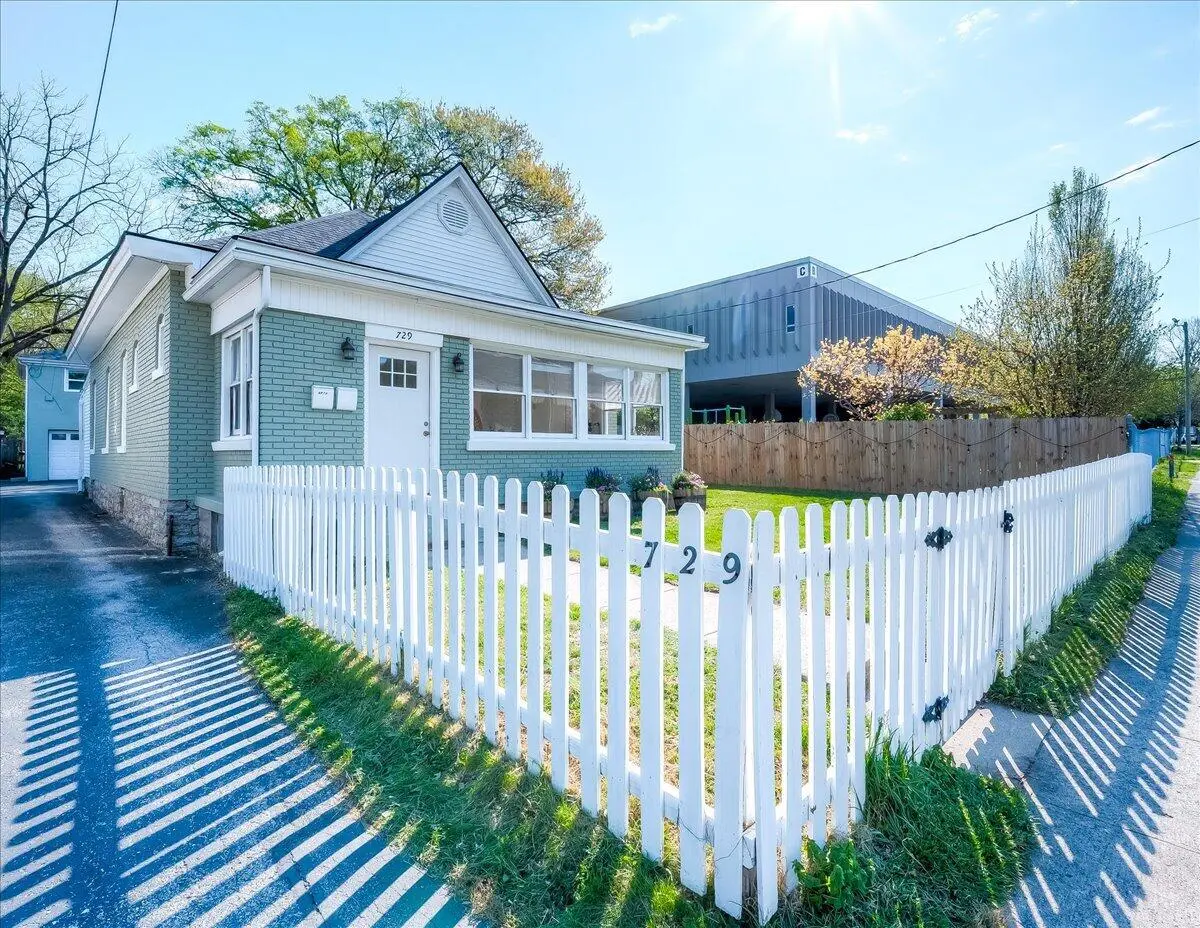
Gratz Park is the oldest residential address in Lexington, and it is small enough that you can walk the whole thing in fifteen minutes. Sixteen contributing buildings face a green that has been public space since the town was platted in 1781 — grand nineteenth-century townhouses built for Lexington's most prominent citizens, plus the Hunt-Morgan House, the Bodley-Bullock House and the original Carnegie Library.
Buying here is not really buying a house. It is taking custody of one, for a while, in a district that was designated locally historic in 1958 and again in 1965 and has been protected ever since.
Inventory is close to nonexistent. In a normal year a handful of properties change hands, and several of those never reach the open market at all. If Gratz Park is what you want, the plan is patience plus somebody watching it for you.
The land under Gratz Park was set aside as Outlot #6 in 1781, when the town plat of Lexington was prepared by order of the Virginia Assembly. Kentucky was still part of Virginia at the time — statehood did not arrive until 1792.
That makes this ground about as old as organized settlement in the interior of the continent gets. The green at the center of the district has been held as open space since that original plat, which is the reason the neighborhood exists in the shape it does.
Homes: around 43 — one of the smallest residential neighborhoods in Lexington.
A note on two different counts: you will also see "16 contributing buildings" cited for Gratz Park. Both numbers are right and they measure different things. Sixteen is the count of buildings that contribute to the designated historic district; roughly 43 is the count of homes inside the wider boundary real-estate sites use. The district footprint is smaller than the neighborhood footprint.
Median build year: near 1900.
Average home: roughly 3,000 square feet.
Median lot: about 3,920 square feet — compact urban lots, as you would expect a block off downtown.
Neighborhood-level figures below are as-published by homes.com's Lexington local guide (extracted 2026-06-01, re-verified against the vault record 2026-08-01) and describe the housing stock, not current asking prices. For what is actually for sale and what it costs today, the active count and median list price at the top of this page are pulled live from the MLS feed.
In 1793 Transylvania Seminary purchased the lot as the site for its Lexington campus. Transylvania is the oldest university west of the Allegheny Mountains, and for several decades this green was its front lawn.
In 1816 a large three-story building went up at the northern end of the lot to serve as the seminary's main building. It was designed by Matthew Kennedy, Kentucky's first architect. The building burned in 1829, and after the fire the Transylvania campus moved across Third Street to the location it still occupies today.
The university's departure is what turned the green into a residential square. Private residences began going up around it during the 1800s, and those houses are the district.
The park takes its name from Benjamin Gratz, who was in charge of the park in the late nineteenth century. Gratz was a leading hemp manufacturer and a trustee of Transylvania University.
Hemp was central to the Kentucky economy in that era — rope and bagging for the cotton trade — and the manufacturers who ran it were among the wealthiest people in the state. That wealth is visible in the scale and finish of the houses around the green.
The district is made up of sixteen contributing buildings. The best known are the Hunt-Morgan House, the Bodley-Bullock House, and the original Carnegie Library, which now houses the Carnegie Center for Literacy and Learning. The remainder are private residences.
The Hunt-Morgan House was built for John Wesley Hunt, and the Bodley-Bullock House is a Federal-style townhouse that operates today as an event and tour property. Living here means living next to buildings that are on tour routes, which is either a feature or a drawback depending on your temperament. Most residents consider it a feature.
Gratz Park was designated a local historic district in 1958 and again in 1965. Local designation is the meaningful kind — unlike honorific National Register listing, a local historic district generally carries real review authority over exterior changes.
In practice: expect that replacing windows, altering the facade, changing roofing material or modifying the streetscape will involve a review process. Plan renovation timelines and budgets accordingly, and get the specific requirements for the address in writing before you are under contract, not after.
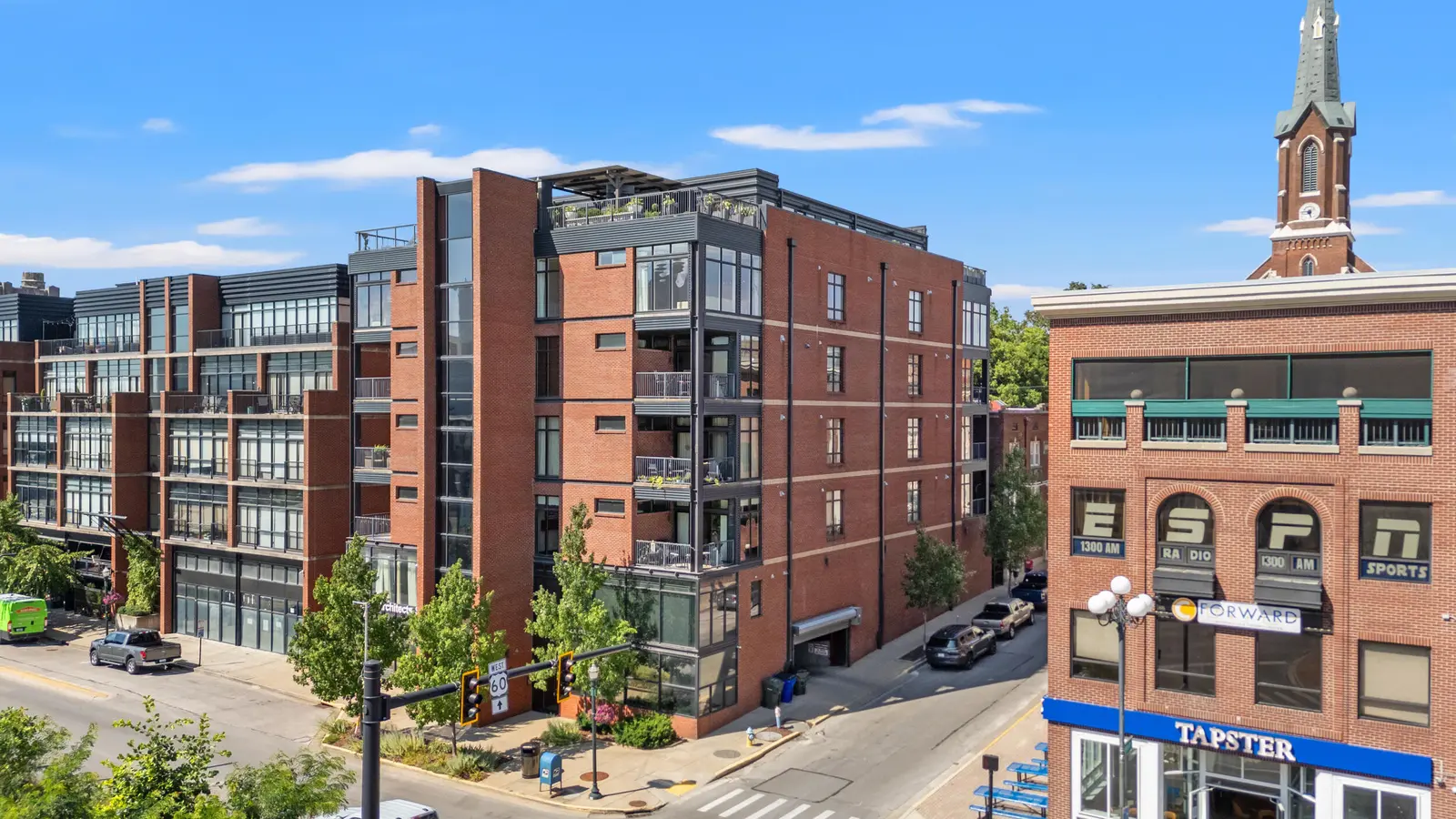
Gratz Park sits at the north edge of downtown Lexington, which means you are walking to most of what downtown offers. Restaurants, the courthouse district, the public library and the downtown business core are all within a short walk, and Transylvania University is immediately across Third Street.
The tradeoff is the tradeoff of any genuinely urban address: parking is a real consideration, lots are small, and you are near the noise and activity of a downtown rather than insulated from it.
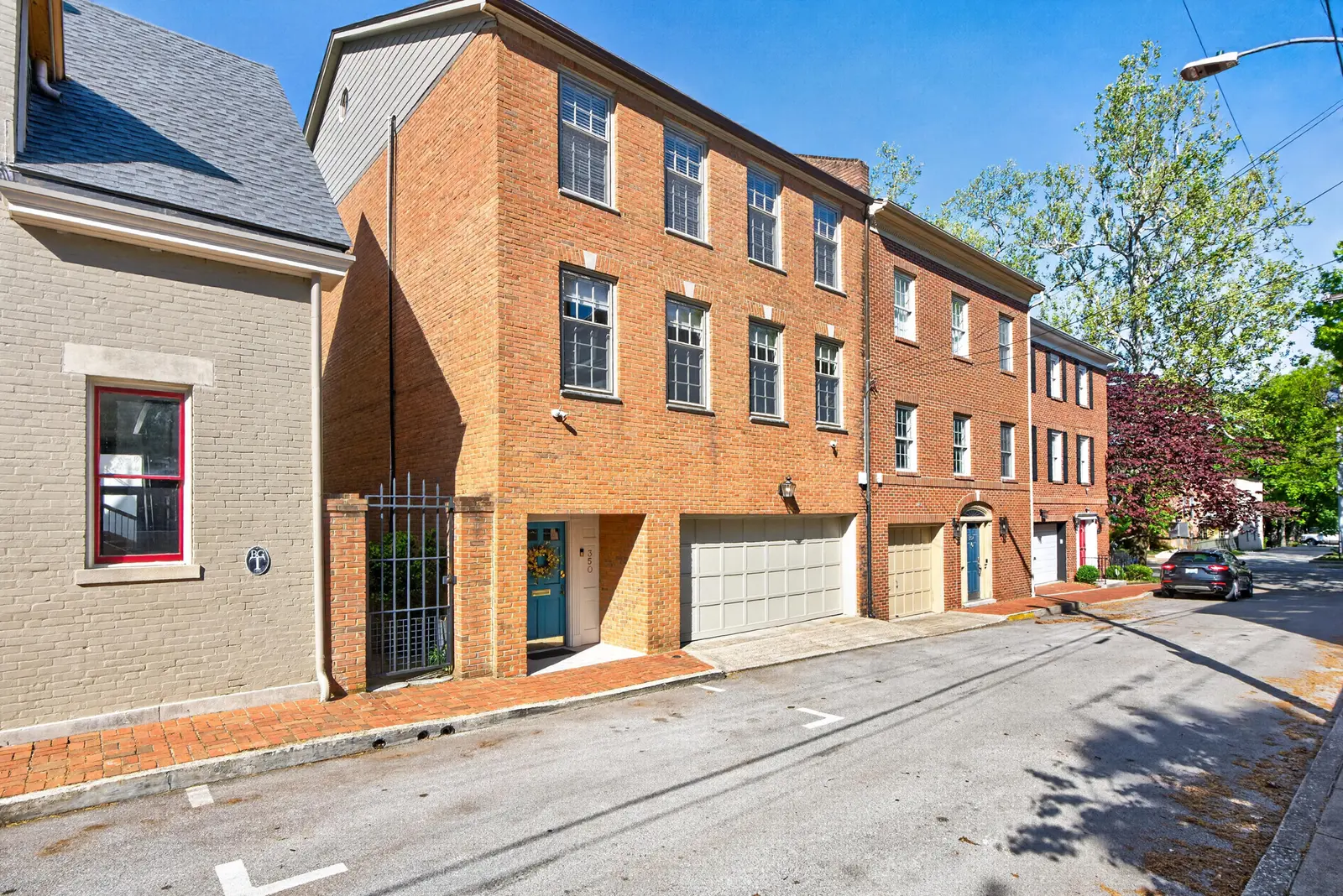
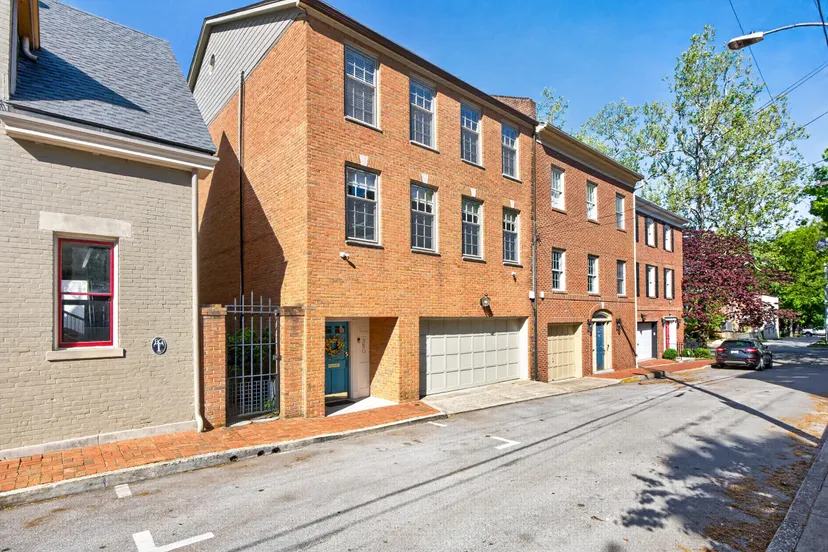
These are nineteenth-century townhouses, largely brick, built for prominent families at a time when craftsmanship was the default rather than an upgrade. Original mantels, staircases, plasterwork and floors survive in many of them.
They are also nineteenth-century townhouses. The systems have been retrofitted repeatedly over a hundred and fifty years. Closet space is limited by modern standards, room layouts reflect how people actually lived in the 1800s, and energy performance is what it is in a building of that age. Buyers who love these houses love them knowing all of that.
For a building of this vintage I want an inspector who specializes in historic structures, not a general residential inspector.
The specific items worth attention: masonry and mortar condition, including whether previous repointing used appropriate lime-based mortar rather than modern portland cement, which damages soft historic brick over time. Foundation and moisture in the basement. The structural condition of original timber framing. Electrical service capacity. And the condition and reversibility of whatever mechanical retrofits previous owners installed.
There are sixteen contributing buildings and several of those are institutional rather than residential. The pool of houses that can ever be for sale in Gratz Park is therefore very small.
Expect long stretches with nothing active. Expect some sales to happen quietly between parties who already know each other. If this district is genuinely your target, the productive approach is to be known as a serious buyer before a house lists — which is relationship work, and it is a real part of what I do here.
The original Carnegie Library building on the park now operates as the Carnegie Center for Literacy and Learning, offering writing classes, tutoring and community programming.
It anchors the south end of the green and it is a genuine amenity — a working community institution rather than a preserved facade.
Questions About Gratz Park?
I'd rather answer the specific question than have you guess from a page. Schools for one address, which streets stay quiet, what a place is really worth — ask me and I'll tell you straight, whether or not it helps me.
Gratz Park is served by Fayette County Public Schools, with assignments made by address. Before committing to a specific home, let's confirm its exact elementary, middle, and high school assignment together using the FCPS SchoolSite Locator.
The land was set aside as Outlot #6 in 1781, when Lexington's town plat was prepared by order of the Virginia Assembly — before Kentucky statehood in 1792. It is the oldest residential district in Lexington.
It is named for Benjamin Gratz, who was in charge of the park in the late nineteenth century. Gratz was a leading hemp manufacturer and a trustee of Transylvania University.
Transylvania Seminary bought the lot in 1793 as the site of its Lexington campus. Its main building — a three-story structure designed by Matthew Kennedy, Kentucky's first architect — was built at the northern end of the lot in 1816 and burned in 1829. After the fire the campus relocated across Third Street, where it remains.
Yes, and it is the meaningful kind of protection. Gratz Park was designated a local historic district in 1958 and again in 1965. Local designation generally carries real review authority over exterior changes, so confirm the specific requirements for an address before planning any renovation.
The district has sixteen contributing buildings. The best known are the Hunt-Morgan House, the Bodley-Bullock House, and the original Carnegie Library — now the Carnegie Center for Literacy and Learning. The rest are private residences.
Rarely. With sixteen contributing buildings, several of them institutional, the pool of sellable houses is very small, and some sales happen privately without ever reaching the open market. Long stretches with zero active listings are normal here.
Gratz Park is in the Fayette County Public Schools district. Lexington school zones do not track neighborhood boundaries and they change over time, so I verify the assignment for the specific address through the FCPS SchoolSite Locator rather than quoting a neighborhood-level answer. Send me an address and I will pull the current zone.
Use an inspector who specializes in historic structures. Priorities are masonry and mortar condition — particularly whether past repointing used lime-based mortar rather than modern portland cement, which damages historic brick — plus foundation moisture, original timber framing, electrical capacity, and the quality of previous mechanical retrofits.
Be first
Never Miss a Gratz Park Listing
Homes in This Neighborhood
Tell me what you're looking for here and I'll send matching homes the moment they hit the market — no pressure, just the right ones.
Thinking About Gratz Park?
Tell me what you're looking for, or ask me anything about the area — schools, streets, the honest tradeoffs. Call or send a note; I answer my own phone.