Horse Country Living in Lexington KY
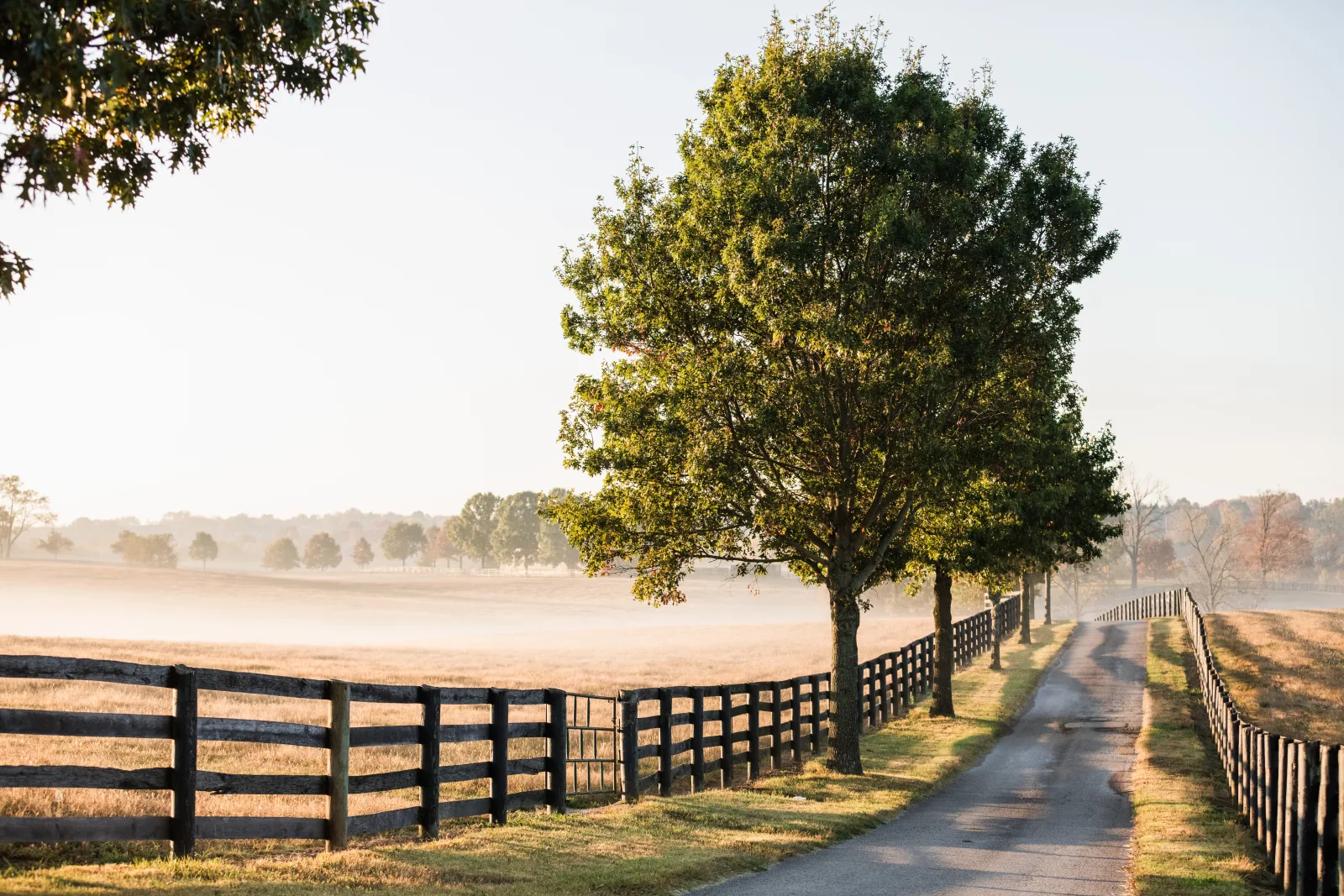
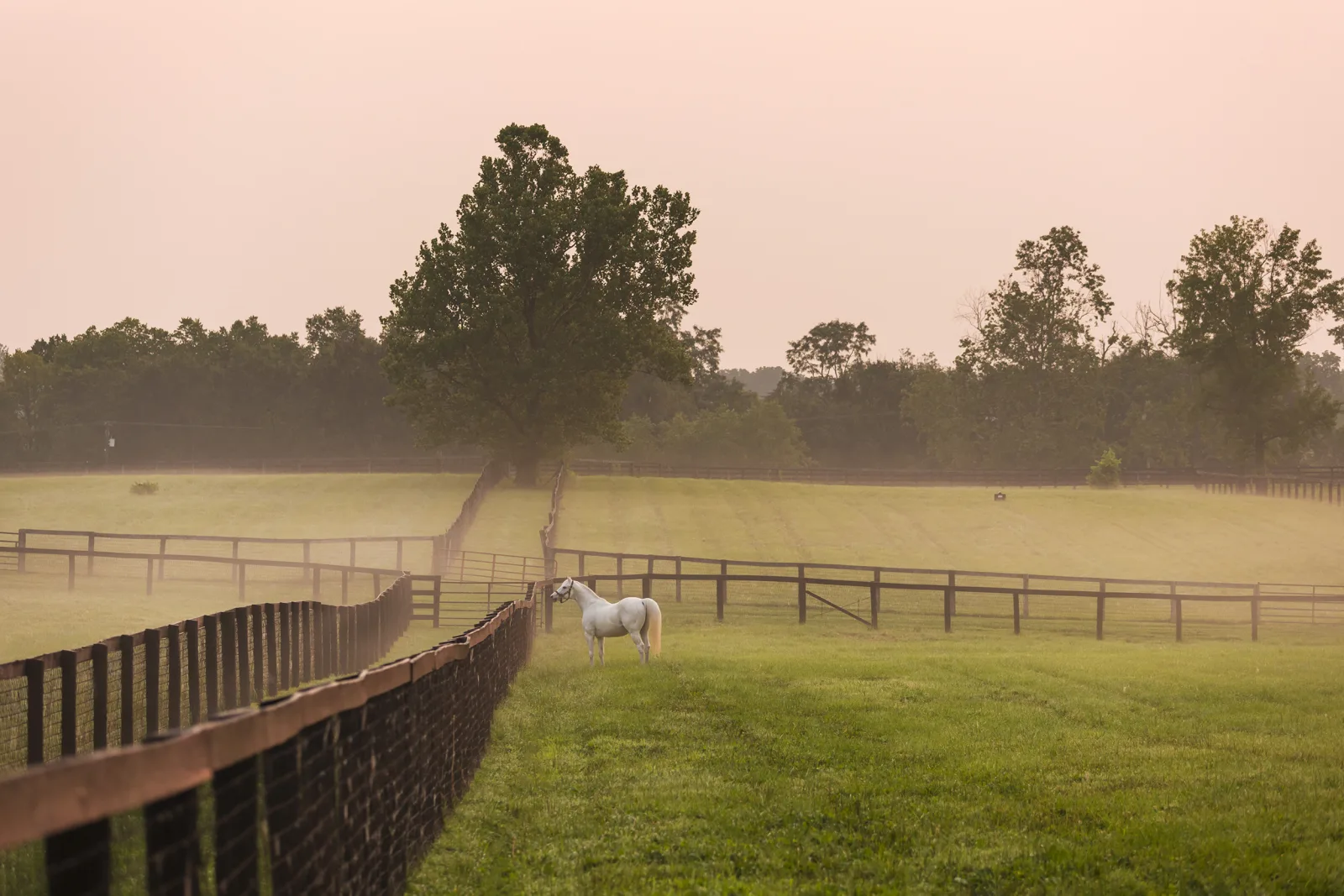
If you have driven Paris Pike or Old Frankfort Pike, you already know the picture: estates set back behind black plank fencing, pastures rolling to the horizon, horses grazing like they own the place. That is horse country, and it is one of the most-searched reasons people move to Lexington. What almost nobody explains is what it is actually like to live there.
I chose Lexington — I am not from here — and horse country is the part of it I get asked about most. So here is the honest version, with the practical parts the tourist listicles leave out.
The short version: Lexington's horse country begins where the city stops, because the city planned it that way in 1958. Ten minutes from downtown you are on a two-lane road between black fences. The classic corridors are Old Frankfort Pike and Paris Pike; the more affordable acreage sits south and east. Plan on roughly one to two acres per horse, budget for fencing, barns, and well water, and expect prices that start above the citywide median and climb fast with land and facilities. Beautiful, yes — but it buys like farmland, not like a subdivision.
Curious what horse-country properties actually list for? Browse acreage and luxury listings before you fall for a fence line.
Why the Farms Start Where the City Stops
This is the detail that explains everything else. Lexington drew an urban service boundary in 1958 — the first city in the country to do it — a line the developed core is not allowed to cross. That is why the farms sit ten minutes from downtown instead of an hour out past the sprawl. It is not scenery that survived by luck. It is zoning, defended on purpose for almost seventy years, and it is the single biggest reason horse country still exists this close to a growing city.
The scale behind that line is real: roughly 450 horse farms across the Bluegrass, about 150 of them right here in Fayette County, and more than 200 Thoroughbred stallions standing at stud across the region. Many are multi-generational family operations, some more than a century old. When I show homes to buyers from other countries, they have usually heard of Lexington's horses before they heard of Lexington.
The History Behind the Fences
The Bluegrass soil is naturally heavy in calcium — good for building strong bone in young horses — and paired with rolling ground, natural springs, and a mild climate, it made this region America's premier Thoroughbred breeding ground by the early 1900s.
Claiborne Farm, founded in 1910 in nearby Paris, has been home to racing legends including Secretariat, Mr. Prospector, and Danzig. Calumet Farm, established in 1924, produced eight Kentucky Derby winners in its golden era. When you pass those white-and-black fence lines and clipped grounds, you are looking at the result of generations of expertise and investment — not just pretty landscaping.
The Drives Worth Taking First
Before you buy anything out here, drive it. It is free, it is the best way to learn the corridors, and it will tell you quickly which direction feels like home.
Old Frankfort Pike
About 16 miles connecting Lexington to Frankfort, and the most concentrated dose of the classic aesthetic you will find. The historic stone fences lining it are 150 years old in places. Late afternoon is the light you want — mares out with foals, the whole thing lit sideways. There are pullouts where you can stop safely for photos.
Paris Pike
About 13 miles toward Paris, a little more modern and easier to drive, lined with manicured estates and stately oaks. If someone is visiting for the first time and wants the quick, comprehensive version of what makes this area different, this is the drive I point them to.
Seeing It From the Inside: Farm Tours and Keeneland
Driving through is one thing; standing in a working barn is another. Several operations open their gates.
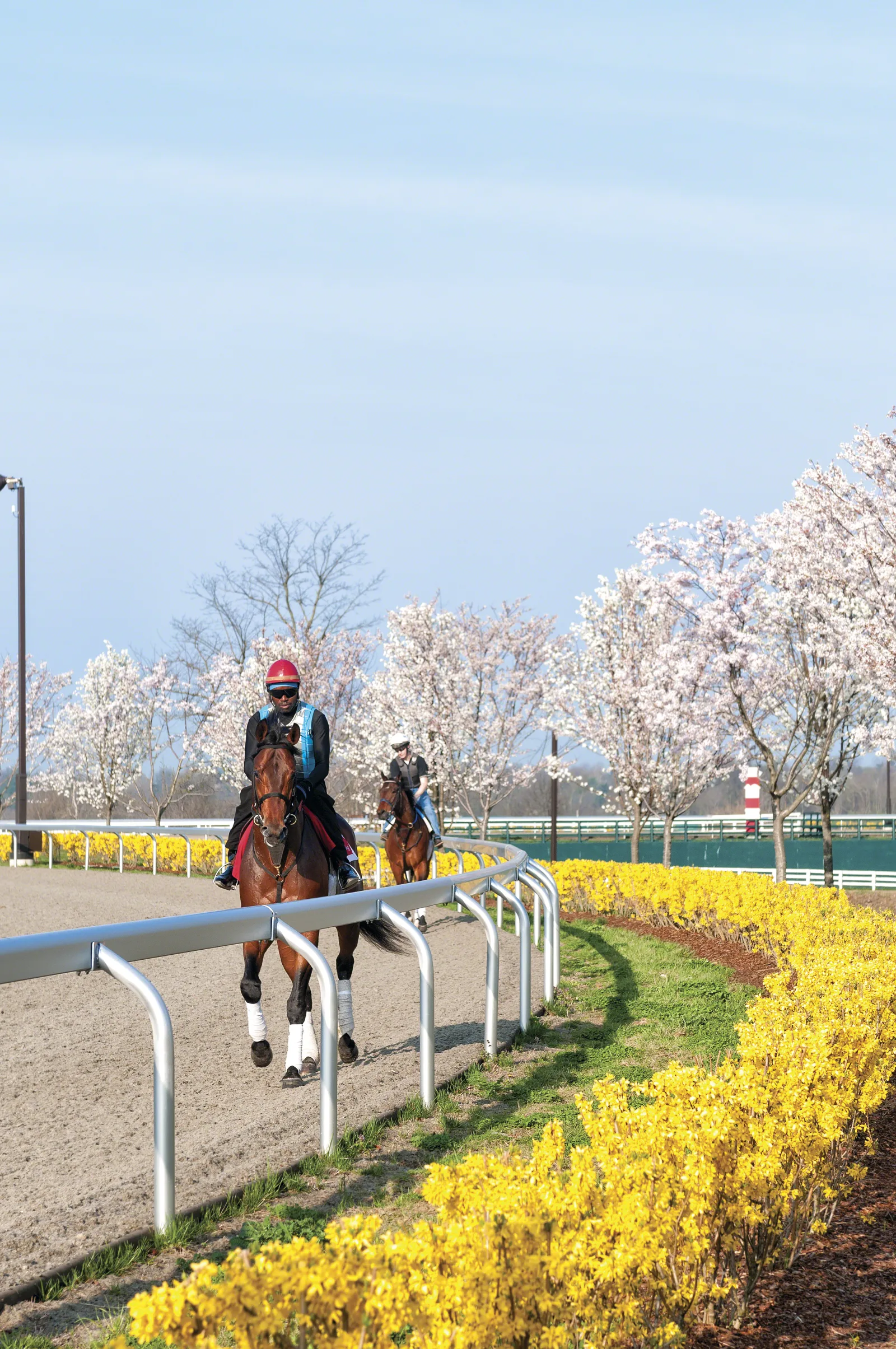
Keeneland opened in 1936 and is one of the most beautiful racetracks anywhere. The spring meet opens in April, and locals treat opening day like a holiday — but you can walk the grounds and watch morning training year-round, meet or no meet. Right now, in early spring, the barns are in foaling season and the training track fills at dawn.
The Kentucky Horse Park is a 1,224-acre working farm and educational park that draws hundreds of thousands of visitors a year — museums, riding lessons, shows, and horses up close. It is the easiest first stop if the whole world of this is new to you.
Visit Horse Country is the gateway to working Thoroughbred farms; it books guided tours where you meet mares, foals, and stallions at operations like Mill Ridge, Stonestreet, and Spy Coast. And Horse Farm Tours, family-run for more than 35 years, offers daily guided outings at 8:15 a.m. and 12:45 p.m. with pickup at the Embassy Suites on Newtown Pike. Take one before you buy — it changes what you notice when you drive the corridors afterward.
Living in Horse Country: What You Need to Know
Here is where I earn my keep, because a horse property buys nothing like a house in Beaumont. The land is the asset, and the land comes with diligence.
Acreage
If you want to keep horses, plan on roughly one to two acres per horse for pasture. Most private equestrian properties here run from about 5 acres up past 20, depending on how many horses and whether you want a ring or trails. Buy for the herd you actually intend to keep, not the one you are picturing.
Fencing, Barns, and Facilities
Those fences are not just for looks — proper fencing is a safety system, and it is expensive. An existing equestrian property usually comes with barns, paddocks, and often a ring already built; raw land means you are budgeting to build all of it. Local builders who know equestrian construction are not hard to find here, but the cost is real and it belongs in your number from day one.
Well Water and Utilities
Many horse properties run on well water rather than municipal service. That is fine — but have the well inspected hard during due diligence, because horses need constant reliable water and a bad well is a five-figure surprise.
Taxes and Zoning
Agricultural land often qualifies for a different, lower tax treatment than standard residential — a genuine advantage — but zoning and use restrictions vary parcel by parcel out here. Have a real estate attorney read the details before you write an offer. If you are comparing the all-in carrying cost against a home in town, my cost-of-living breakdown is a good place to start the math.
Buying acreage has different diligence than buying a subdivision home. Ask me what to check first — well, fence, zoning, and easements are where these deals get won or lost.
Where to Look, by Corridor
Not all of horse country prices or feels the same. A few places to start:
The northwest edge of town, around Masterson Station, borders open farmland and gives you that rural feel without a long drive. Rural corridors like Donerail and Loradale sit closer to the true farm country north of the city. For estate-scale space with more polish, Andover and the luxury end of the market deliver it — I cover that segment in detail in my write-up on luxury homes in Lexington. And south and east along Tates Creek Pike, you will find larger acreage for less money than the marquee pikes command. For the full map of how the city's neighborhoods stack up, start with my best neighborhoods guide.
The Rhythm of the Year
Life out here follows the seasons and the racing calendar. Spring is foaling season — new life arriving on farms all over the region, and the reason a March or April drive is worth setting an alarm for. Summer is grass and maintenance. Fall brings the Keeneland meet and a whole community's worth of energy. Winter is quiet, and it is when the serious planning and training happen. The community itself is tight but welcoming; neighbors trade help on everything from fence repairs to emergency vet calls.
Frequently Asked Questions
Where Is Lexington's Horse Country?
It starts where the city stops. Because Lexington has kept an urban service boundary since 1958, the farmland begins at the edge of the developed core instead of sprawling into it — ten minutes from downtown you are on a two-lane road between black plank fences. The postcard corridors are Old Frankfort Pike (about 16 miles toward Frankfort) and Paris Pike (about 13 miles toward Paris), with more affordable acreage south and east along Tates Creek Pike.
How Much Land Do You Need to Keep Horses in Lexington?
A common rule of thumb is one to two acres per horse for pasture, so most private equestrian properties here run from about 5 acres up past 20, depending on how many horses you keep and whether you want turnout, a riding ring, or trails. Smaller few-acre places suit a couple of horses; working and breeding operations sit on the larger end.
Do You Have to Own Horses to Live in Horse Country?
No. Plenty of people buy in for the space, the views, and the lower-density quiet, and never keep a horse. You get larger lots, older trees, and the black-fence landscape without taking on barn chores. If horses aren't part of the plan, a low-maintenance lot on a rural corridor gives you the setting without the livestock.
What Does It Cost to Buy an Equestrian Property Near Lexington?
Expect to start above Lexington's citywide median — which was around $375,000 as of July 2026 — and climb quickly with acreage, fencing, and barn facilities. Smaller improved acreage runs into the mid-six figures; championship estates on the prime pikes reach into the millions. Location does most of the pricing: frontage on Old Frankfort or Paris Pike commands a premium over comparable land farther out.
Can You Tour the Horse Farms Around Lexington?
Yes. Visit Horse Country books guided visits to working Thoroughbred farms where you can meet mares, foals, and stallions, and Horse Farm Tours runs daily guided outings picking up in town. The Kentucky Horse Park is open year-round, and Keeneland lets you walk the grounds and watch morning training outside of race meets. Touring first is the best way to learn what you actually want before you buy.
Thinking About a Place Out Here?
Whether you are picturing your own barn, a few acres and a view, or just want to understand what living behind those fences really involves, I am glad to walk you through it — including the parts that are more well-inspection than postcard. Reach out anytime and we will figure out whether horse country fits the life you are building.
Sources: VisitLEX (Bluegrass horse-farm figures); Keeneland, Kentucky Horse Park, Visit Horse Country, and Horse Farm Tours (operating details, verified 2026); FlexMLS / ImagineMLS (Lexington median sale price, early 2026). Raya Rivera is a real estate advisor with The Brokerage in Lexington, KY.