I lived downtown before we moved out to Hamburg, so this is the one neighborhood page where I am not describing something from the outside. Downtown Lexington is the only part of the city where you can genuinely live without planning your day around a car — restaurants, work, coffee, music and two universities all inside a walk.
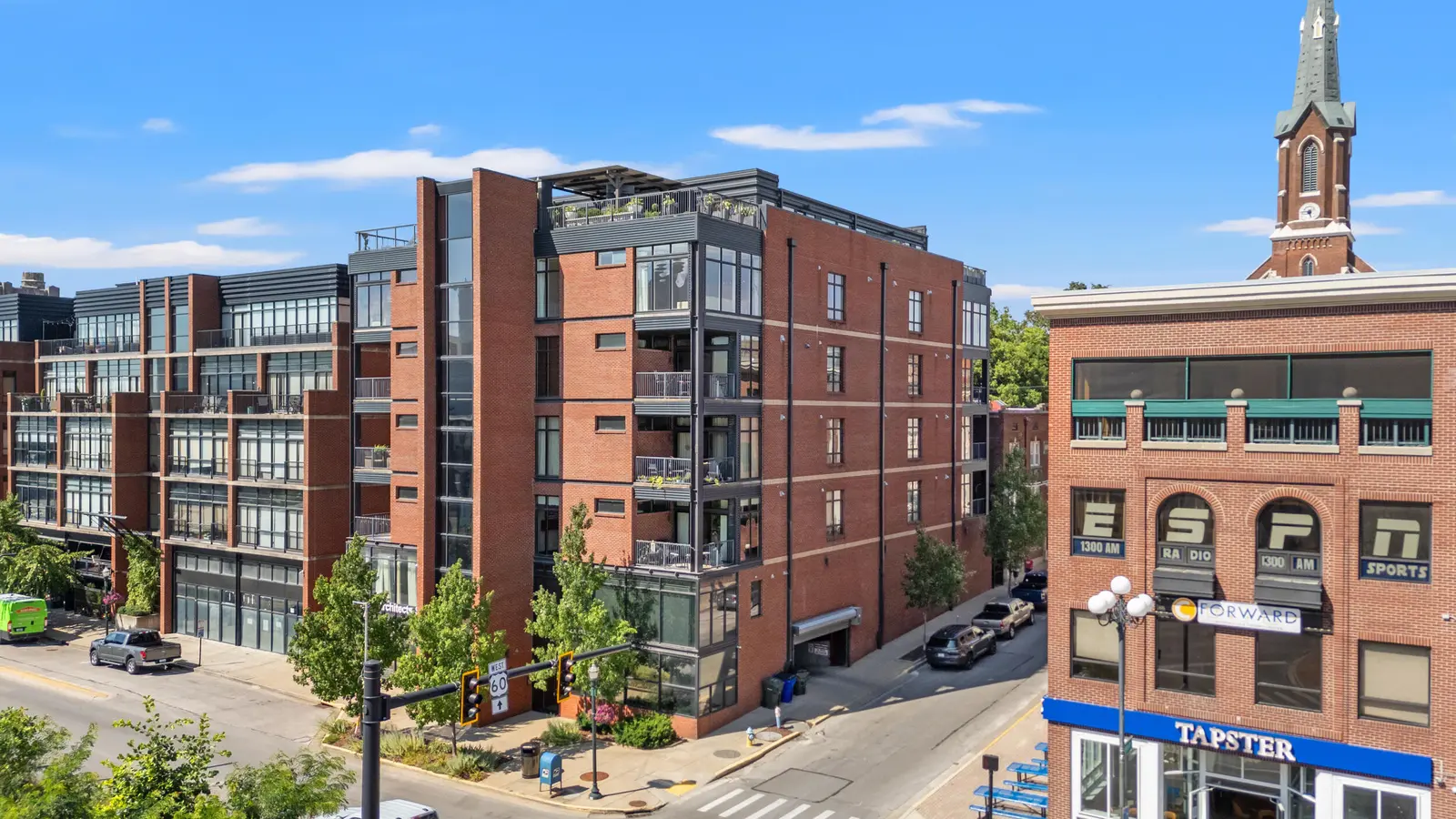
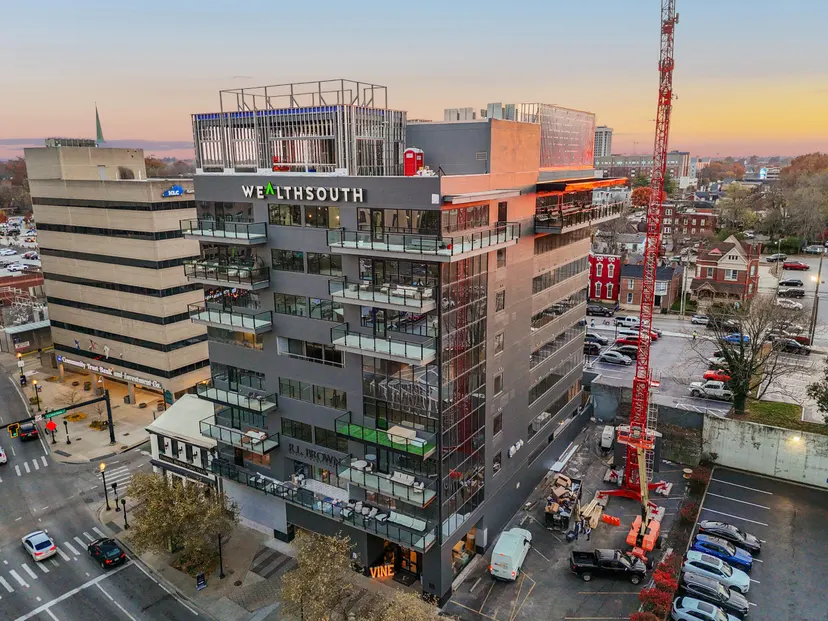
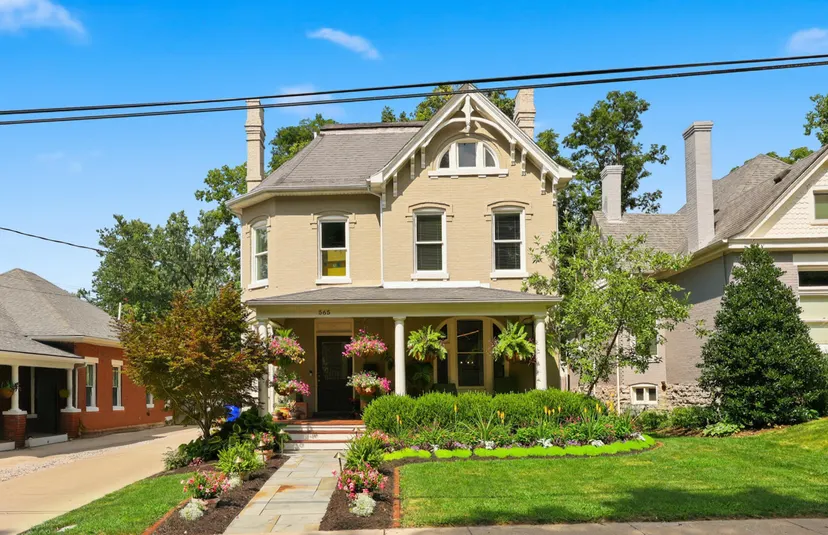
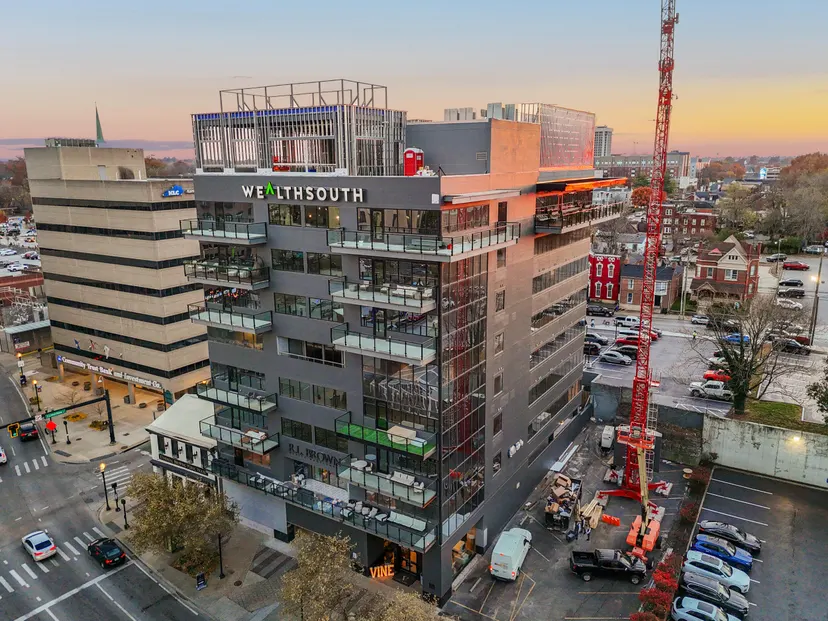
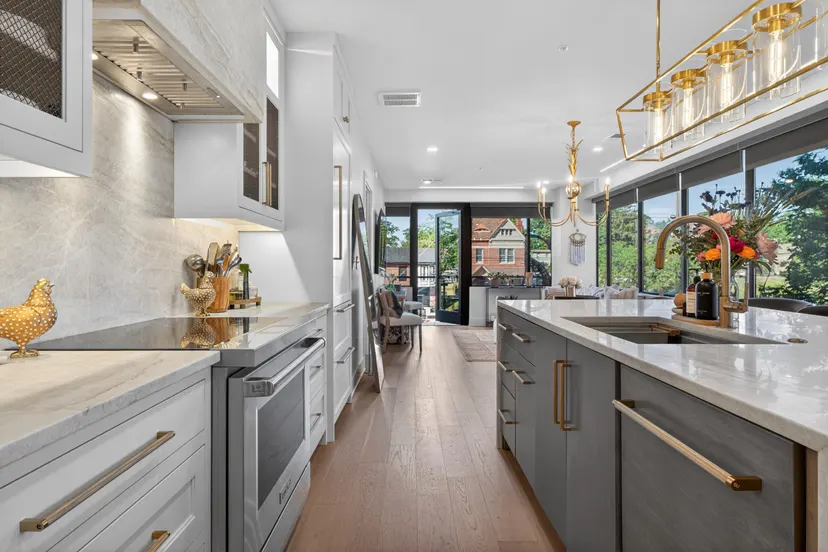
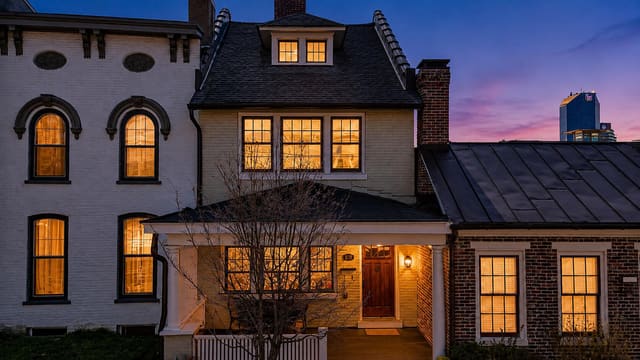
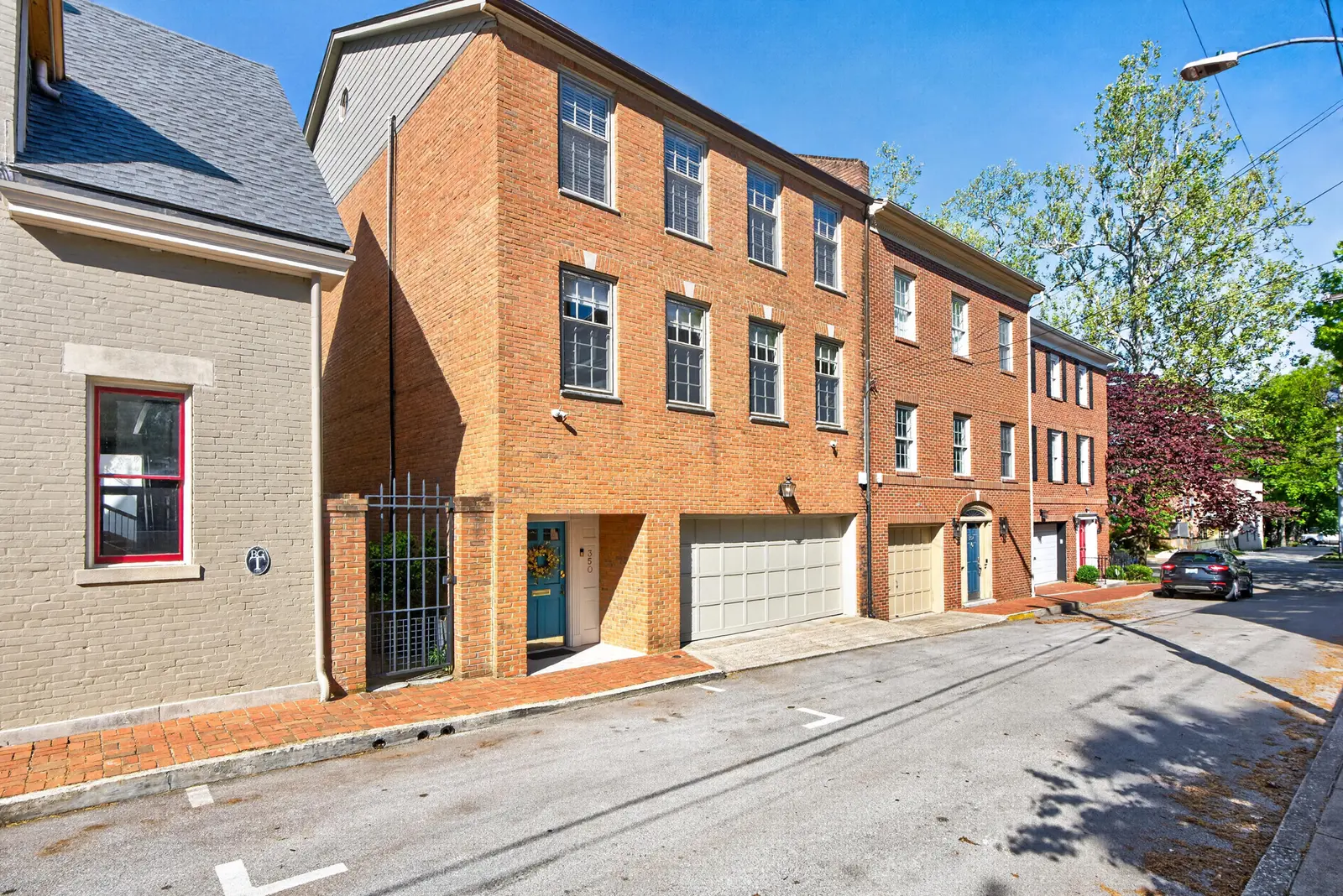
It is also the most varied housing market in Lexington. Downtown covers converted lofts in century-old commercial buildings, purpose-built condo towers, historic townhouses and new infill construction, sometimes on the same block. There is no single downtown product and no single downtown buyer.
That variety is why the live listing count and median at the top of this page move around more than they do in a subdivision. A studio loft and a four-story townhouse are both downtown.
Lexington's downtown is compact. That is its defining feature and the thing that surprises people relocating from bigger cities — the walkable core is genuinely walkable end to end, not a district you drive between.
In a normal week living downtown you are walking to dinner, walking to a show, walking to the library and the courthouse, and probably driving only when you leave the center of the city. For a certain buyer that trade is the entire point, and no amount of square footage in a subdivision replaces it.
Homes: around 132 — a small, dense neighborhood by count.
Average single-family home: roughly 4,555 square feet. Note this figure covers the larger single-family houses downtown, not the lofts and condos, which is why it reads high for an urban core.
Median lot: about 6,751 square feet — compact, as expected downtown. What you are buying here is not acreage.
Housing types: lofts, condominiums and townhouses alongside some larger single-family homes.
Neighborhood-level figures below are as-published by homes.com's Lexington local guide (extracted 2026-06-01, re-verified against the vault record 2026-08-01) and describe the housing stock, not current asking prices. For what is actually for sale and what it costs today, the active count and median list price at the top of this page are pulled live from the MLS feed.
The downtown residential inventory runs across a range of buildings and developments — among them The Vine Lex, The Nunn Lofts, The City Center, Main + Rose, Main + Vine, The Met, Jefferson Town Homes, South Hill Station, Center Court, Village at South Broadway and Distillery Heights.
They are not interchangeable. Some are conversions of historic commercial buildings with the exposed brick and tall windows that come with that. Some are purpose-built with structured parking and an elevator. Some are townhouse-style with your own front door. The right one depends entirely on whether you want parking solved, whether you want outdoor space, and how much building noise you are willing to live with.
This is the single most common mistake I see downtown buyers make: shopping on list price and ignoring the monthly.
Downtown condo and loft buildings carry association fees that vary widely depending on what the building covers — structured parking, elevators, a doorman or security, exterior maintenance on a historic envelope, shared utilities. Two units at the same price can carry very different monthly costs, and that difference changes what you actually qualify for.
Before you fall for a unit, I want to see the association's budget, the reserve study, the most recent minutes and any pending special assessment. In an older converted building, the reserve position is the whole ballgame.
Ask about parking before anything else. It is the most consequential and least visible variable downtown.
Some units convey a deeded space in a structured garage. Some lease a space monthly, at a cost that can change. Some have no dedicated parking at all and rely on street permits or public garages. A second car complicates all of it. Two otherwise identical units can live completely differently based on this one item.
The Distillery District sits about a mile west of the downtown core, along Manchester Street, in a group of repurposed industrial and distillery buildings that now hold breweries, restaurants and event space.
It functions as downtown's expansion room. For residents it is close enough to walk on a nice evening and easy to reach otherwise, and the residential development around it — Distillery Heights among others — has extended downtown living westward.
The University of Kentucky sits immediately south of downtown and Transylvania University is at the north edge, across Third Street from Gratz Park.
Two things follow. First, downtown has a steady population of faculty, staff, graduate students and medical professionals, which supports the restaurant and coffee economy year round. Second, the rental market downtown is real, which matters if you are considering a unit partly as an investment — though verify the specific building's rental rules before assuming you can lease it.
Downtown is not quiet, and any agent who tells you otherwise has not lived here.
Bars and music venues run late on weekends. There are festivals, parades and race-season events that close streets. Delivery trucks start early. Whether that is charm or misery depends on the person and on the specific unit — which floor, which side of the building, what the windows are. I strongly recommend visiting a unit on a Friday night, not just a Tuesday afternoon.
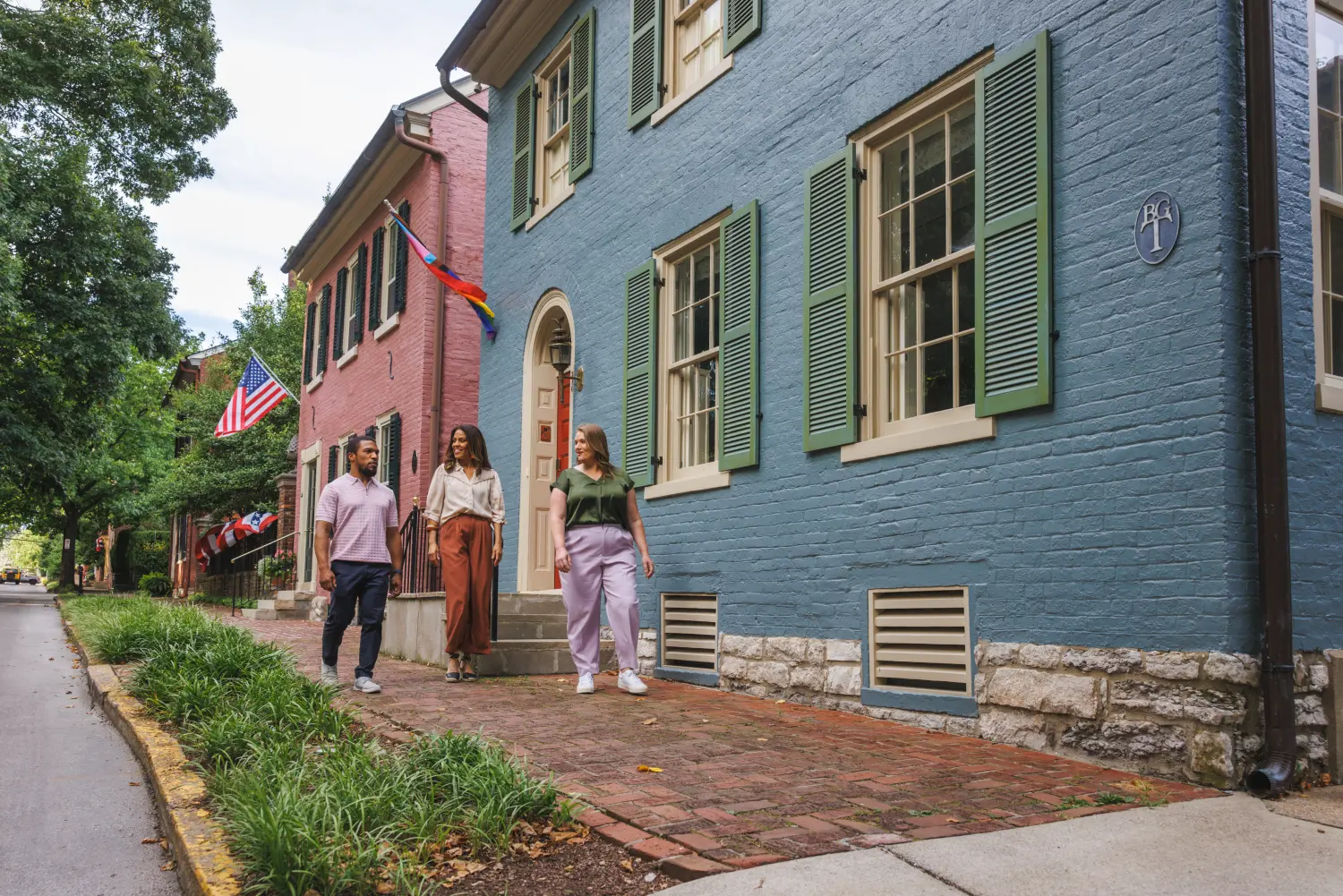
A good share of downtown's residential stock lives inside historic structures, and some of it falls within local historic district boundaries — Gratz Park at the north edge being the clearest case.
If a unit is in a protected structure, exterior changes and sometimes window replacement carry a review process. Inside a condo, the association's rules typically govern anyway. Confirm both layers before planning work.
Downtown works well for people whose lives are downtown-shaped: professionals working in the core, university-affiliated buyers, empty-nesters trading a yard for a walk, and first-time buyers who would rather have the location than the square footage.
It works less well for buyers who need a yard, want a garage attached to the house, or are optimizing for space per dollar. Those buyers are usually happier east or south, and I will say so rather than sell you a unit you will resent in a year.
Spend a weekend downtown before you shop. Park the car Friday afternoon and do not move it until Sunday.
You will learn more about whether this life fits you in forty-eight hours than in a month of touring units. The people who love downtown Lexington usually know within one weekend, and so do the people who do not.
Questions About Downtown Lexington?
I'd rather answer the specific question than have you guess from a page. Schools for one address, which streets stay quiet, what a place is really worth — ask me and I'll tell you straight, whether or not it helps me.
Downtown Lexington is served by Fayette County Public Schools, with assignments made by address. Before committing to a specific home, let's confirm its exact elementary, middle, and high school assignment together using the FCPS SchoolSite Locator.
A wide range — converted lofts in historic commercial buildings, purpose-built condos, historic townhouses and newer infill construction. Buildings and developments include The Vine Lex, The Nunn Lofts, The City Center, Main + Rose, Main + Vine, The Met, Jefferson Town Homes, South Hill Station, Center Court, Village at South Broadway and Distillery Heights.
Yes — it is the most walkable part of the city and the only area where you can reasonably live without planning around a car. The core is compact enough to cross on foot, and restaurants, entertainment, the library and both universities are inside that walk.
The monthly association fee and what it covers, the association's budget and reserve study, recent meeting minutes, any pending special assessment, and the parking arrangement. Two units at the same price can carry very different monthly costs and very different parking situations.
It varies by building and it is the variable most worth asking about first. Some units convey a deeded garage space, some lease a space monthly at a rate that can change, and some have no dedicated parking and rely on street permits or public garages. A second vehicle complicates all of these.
About a mile west of the downtown core, along Manchester Street. It occupies a group of repurposed distillery and industrial buildings that now hold breweries, restaurants and event space, and it is walkable from much of downtown on a nice evening.
Yes, at times, and it depends heavily on the specific unit. Bars and music venues run late on weekends, festivals and race-season events close streets, and deliveries start early. Which floor and which side of the building you are on matters a great deal. Visit a unit on a Friday night before deciding.
Downtown is in the Fayette County Public Schools district, but it spans a large area and school zones do not follow neighborhood boundaries. I verify the assignment for the specific address through the FCPS SchoolSite Locator rather than giving a neighborhood-level answer — send me the address and I will pull the current zone.
Sometimes, but never assume it. Individual buildings set their own rental rules and some restrict or cap leasing. The demand is real given two nearby universities and a downtown workforce, but confirm the specific association's rental policy in writing before you buy with that plan.
Be first
Never Miss a Downtown Lexington Listing
Homes in This Neighborhood
Tell me what you're looking for here and I'll send matching homes the moment they hit the market — no pressure, just the right ones.
Thinking About Downtown Lexington?
Tell me what you're looking for, or ask me anything about the area — schools, streets, the honest tradeoffs. Call or send a note; I answer my own phone.