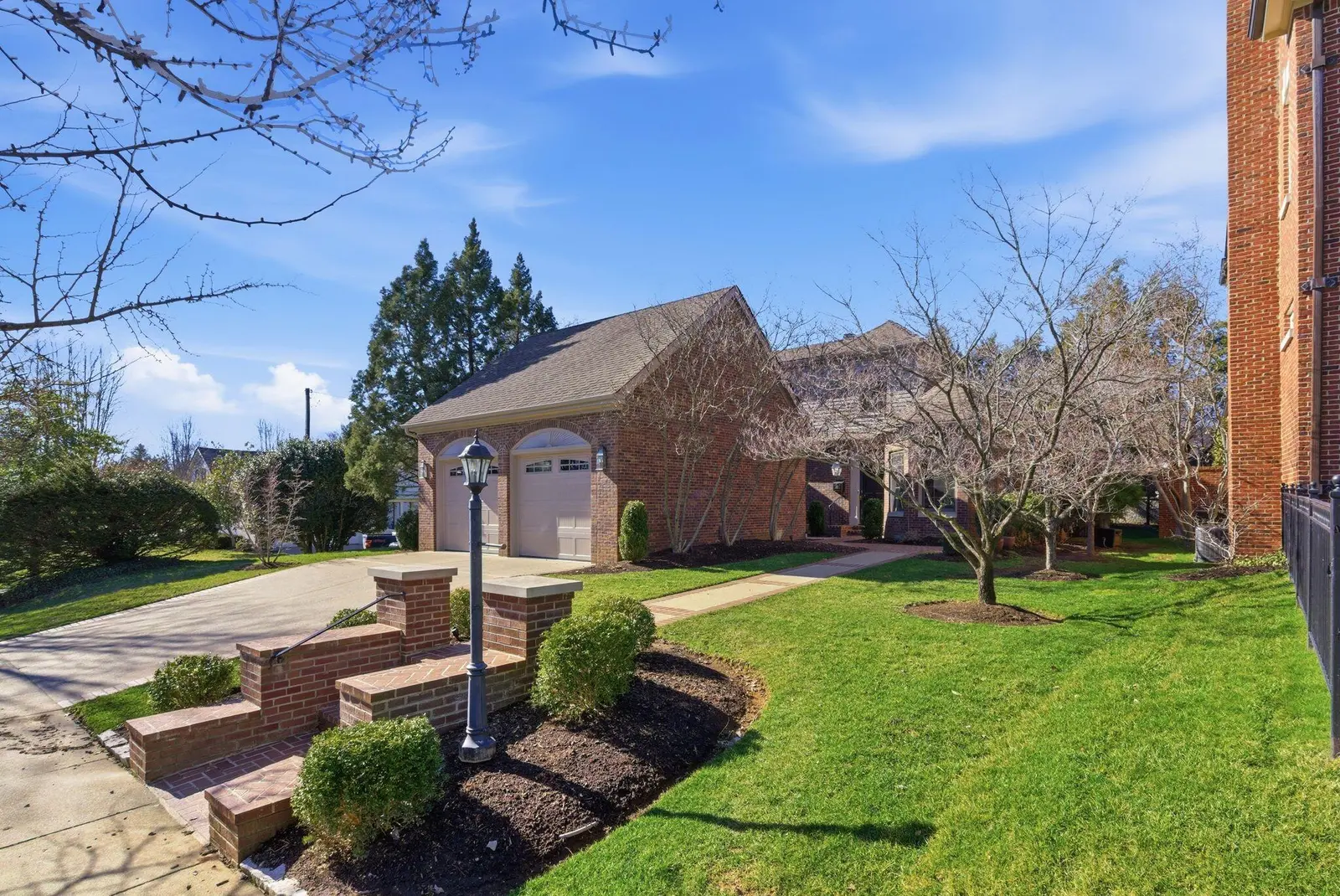
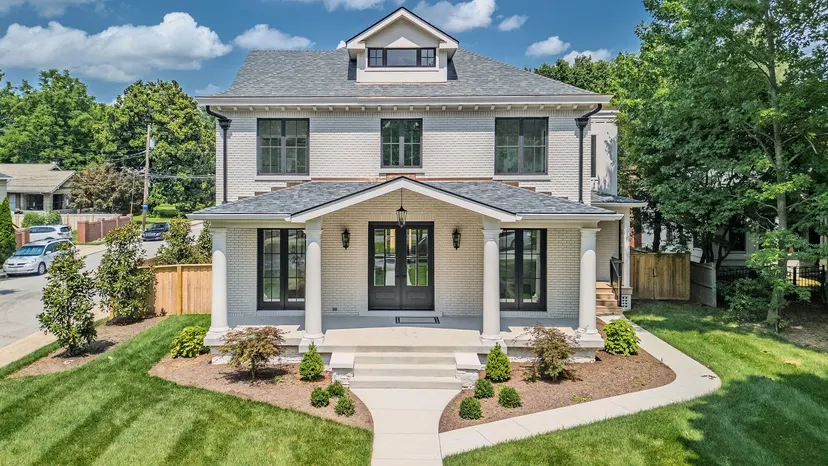
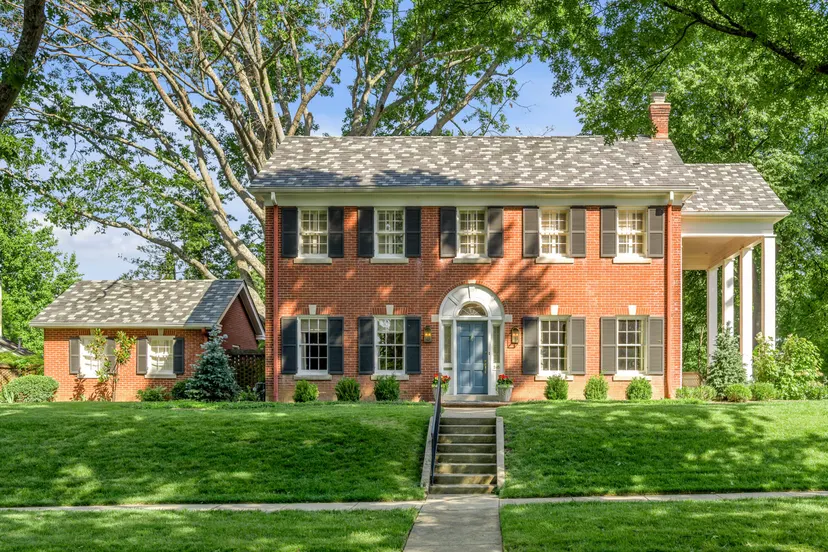
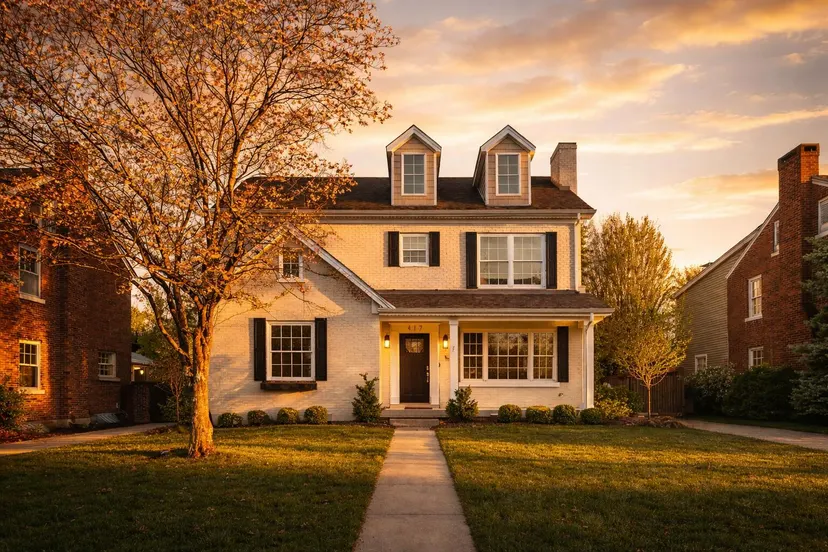
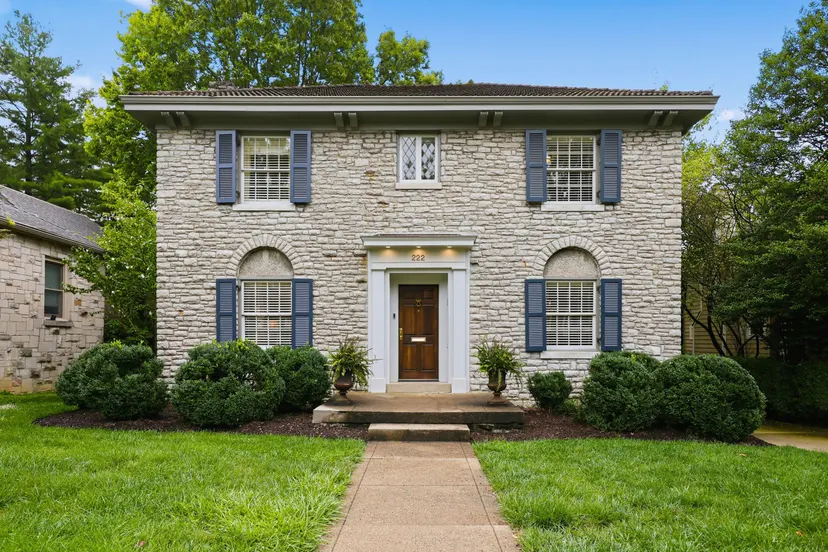
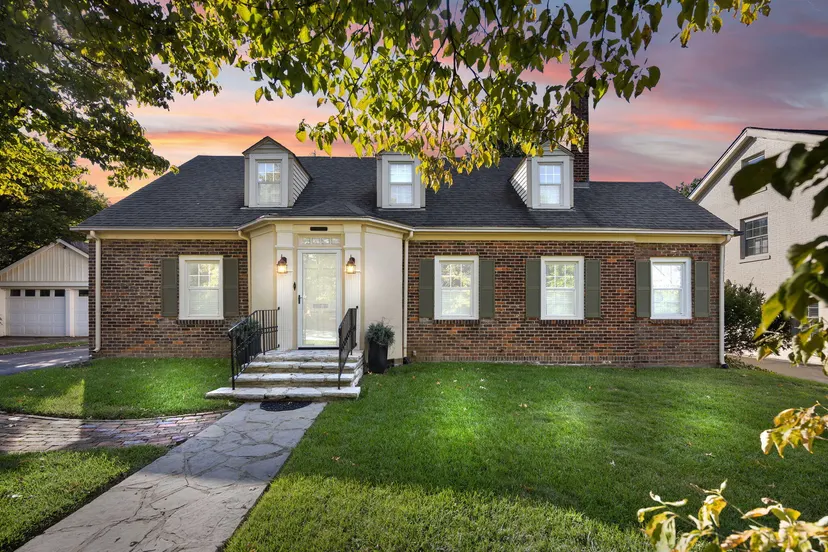
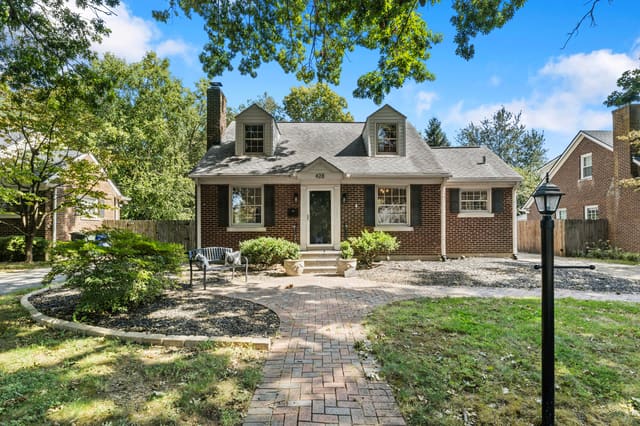
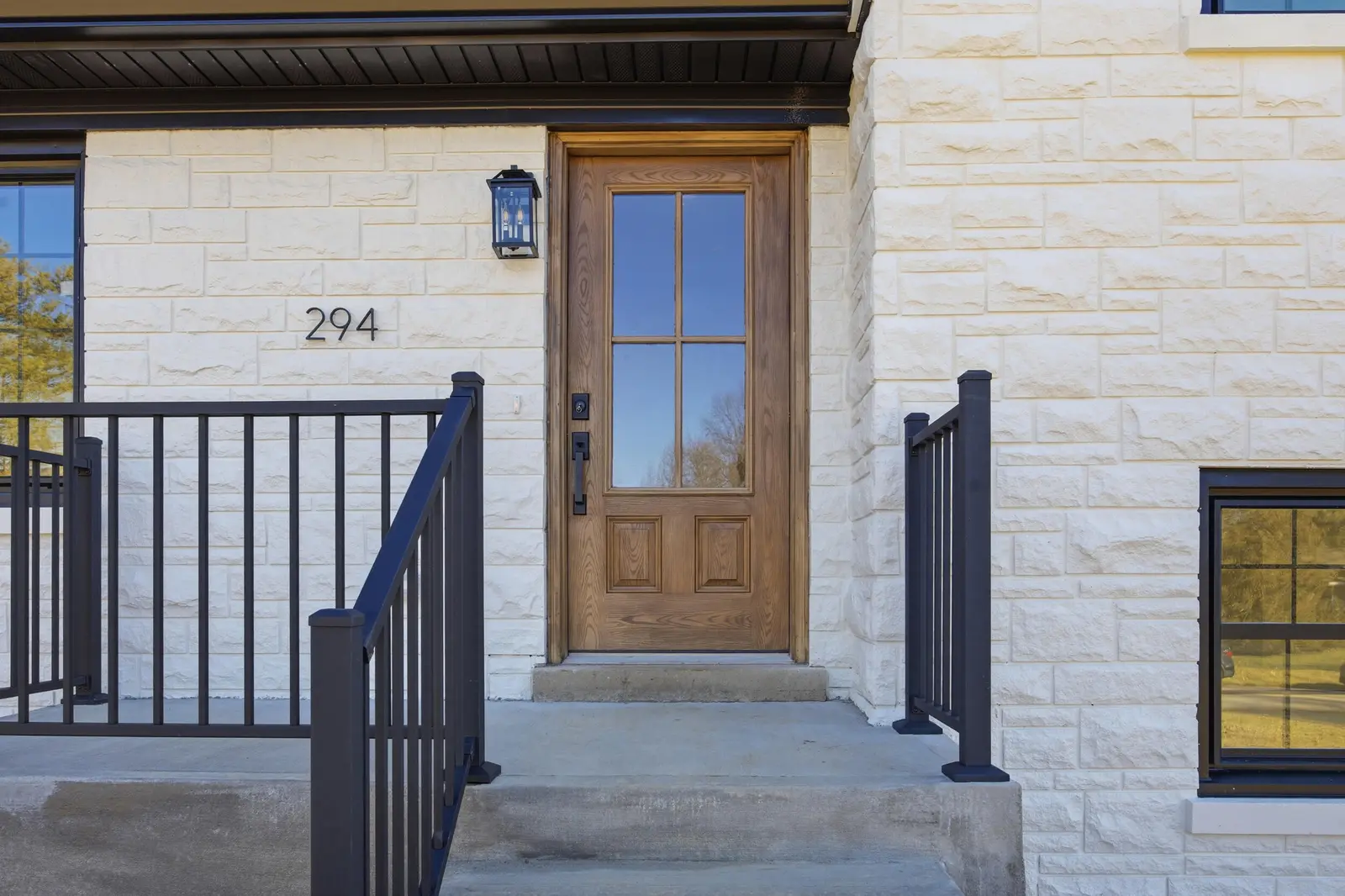
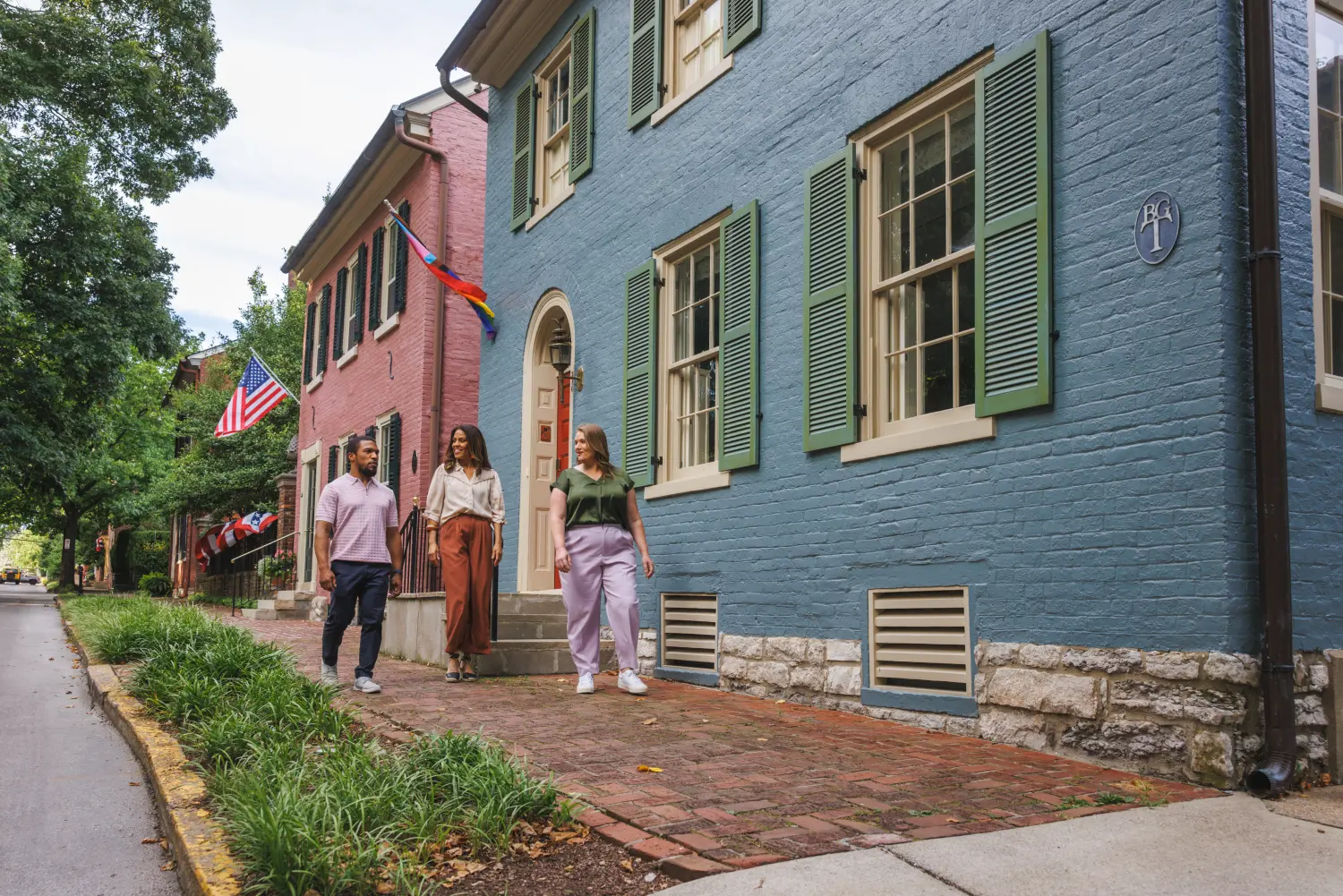
Fairway is a small southeast Lexington neighborhood of roughly 390 homes, most dating to the late 1940s, wrapped along the northern edge of the Idle Hour golf course. It is compact, established, and about as convenient to Richmond Road as you can be without living on it.
The name is literal — the golf course to the south is the fairway in question. That course is Idle Hour Country Club's, founded in the 1920s with an original Donald Ross design, which gives this modest neighborhood a genuinely notable southern boundary.
Boundaries are Sherman Avenue and the railroad tracks to the north, Richmond Road to the west, and the golf course to the south. It is one of Lexington's established older neighborhoods, and it is small enough that most buyers have never specifically shopped it.
Worth being precise, because Lexington has several and people mix them up.
The course on Fairway's southern boundary is the Idle Hour Country Club course — founded in the 1920s, originally designed by Donald Ross, one of the most significant golf architects in American history. It is a private club course.
It is not Picadome. Picadome — built in 1927 as central Kentucky's first public golf course, and now the Gay Brewer Jr. Course — is a municipal course on the other side of town. If a listing implies Fairway sits on a public course, it is wrong.
Homes: roughly 390 — a small neighborhood.
Era: largely late 1940s.
Average single-family home: around 3,500 square feet.
Median lot: around 8,494 square feet — tidy city lots rather than the expansive parcels you find further out.
Boundaries: Sherman Avenue and the railroad tracks to the north, Richmond Road to the west, the Idle Hour golf course to the south.
Neighborhood-level figures above are as-published by homes.com's Lexington local guide (extracted 2026-06-01, re-verified 2026-08-01) and describe the housing stock, not current asking prices. What is actually for sale today, and what it costs, is the live count and median at the top of this page.
The combination here is unusual and worth understanding before you shop.
Average house size runs around 3,500 square feet, but the median lot is around 8,494 square feet — noticeably tighter than the quarter-acre-plus you find in the post-war neighborhoods further out. You are getting house rather than land.
For some buyers that is exactly right: more interior space, less yard to maintain, in a central location. For buyers who want a big back yard, this is the wrong neighborhood and I would point you toward Idle Hour or Shriners instead.
Most of Fairway went up in the late 1940s, in the first wave of post-war building.
That era generally built solidly — real framing, plaster or early drywall, hardwood under whatever has been laid on top since. It also means every mechanical system has been replaced at least once, and the quality of those replacements is the single biggest variable between two houses on the same street.
The southern boundary is a private course, and that carries a specific set of tradeoffs worth naming.
Permanent protected open space behind the properties that back it, long green sightlines, and mature trees. Against that: errant balls on the closest lots, early morning course maintenance, and reduced back-yard privacy during play.
And to be direct about it — proximity to the course does not convey any club membership or access. Those are entirely separate, and a house adjoining a private course gives you the view, not the tee time.
The northern boundary includes railroad tracks, and I am not going to bury that.
How much it matters depends heavily on the specific address — distance from the tracks, what sits between, and how the house is built. Some buyers never notice; others cannot live with it. There is no substitute for standing in the back yard of the actual house at more than one time of day before you decide.
Richmond Road forms the western boundary, which is the practical reason to like this neighborhood.
You get a direct line toward downtown, quick access to New Circle for crossing town, and the Chevy Chase and Ashland Park side of the city a short drive up the road. For a small neighborhood, Fairway is very well connected.
Standard late-1940s checklist, run properly.
Electrical service capacity — a 1940s panel is undersized for modern use and a 3,500-square-foot house draws hard. Original cast-iron drain lines and galvanized supply plumbing. Foundation and basement moisture. HVAC age and whether central air was retrofitted. Insulation, which was minimal in this era. And check for asbestos in original floor tile and pipe wrap before any renovation.
Roughly 390 homes tucked between Richmond Road and a golf course is not a neighborhood most buyers have on a list.
That is usually good for the buyer who does find it. Less competition, less name premium, and a location that competes with neighborhoods that cost more. If the lot size works for you, Fairway deserves a look before you settle elsewhere on the same side of town.
Fairway fits buyers who want interior space and a central southeast location, and who do not need a large yard.
Golf-adjacent living without a country-club purchase, easy Richmond Road access, and an established older neighborhood at a lower profile than its neighbors. It suits large-lot buyers and anyone sensitive to train noise less well — both of which are worth testing in person before you commit.
Questions About Fairway?
I'd rather answer the specific question than have you guess from a page. Schools for one address, which streets stay quiet, what a place is really worth — ask me and I'll tell you straight, whether or not it helps me.
Fairway is served by Fayette County Public Schools, with assignments made by address. Before committing to a specific home, let's confirm its exact elementary, middle, and high school assignment together using the FCPS SchoolSite Locator.
The Idle Hour Country Club course forms the southern boundary — founded in the 1920s with an original Donald Ross design. It is a private club course. It is not Picadome, which is a separate municipal course on the other side of town.
No. Proximity to the course does not convey membership or playing access — those are entirely separate from the house purchase. Backing onto the course gives you the view and the open space, not the tee time.
Sherman Avenue and the railroad tracks to the north, Richmond Road to the west, and the Idle Hour golf course to the south, in southeast Lexington.
An unusual combination — houses average around 3,500 square feet, but the median lot is around 8,494 square feet, tighter than the post-war neighborhoods further out. You are buying house rather than land.
Largely in the late 1940s, in the first wave of post-war construction. Roughly 390 homes in total.
It depends entirely on the address. Railroad tracks form part of the northern boundary, and how much that matters varies with distance, what sits between, and how the house is built. Some buyers never notice it and others cannot live with it — stand in the back yard at more than one time of day before deciding.
Fairway is in the Fayette County Public Schools district. Lexington school zones do not follow neighborhood boundaries and they get redrawn, so I verify the assignment for the specific address through the FCPS SchoolSite Locator rather than quoting a neighborhood-level answer. Send me the address you're considering and I'll pull the current zone.
It is small — roughly 390 homes — and tucked between Richmond Road and a private golf course, so it rarely makes a shopping list by name. That usually works in favor of the buyer who does find it: less competition and less name premium in a location that competes with pricier neighborhoods nearby.
Be first
Never Miss a Fairway Listing
Homes in This Neighborhood
Tell me what you're looking for here and I'll send matching homes the moment they hit the market — no pressure, just the right ones.
Thinking About Fairway?
Tell me what you're looking for, or ask me anything about the area — schools, streets, the honest tradeoffs. Call or send a note; I answer my own phone.