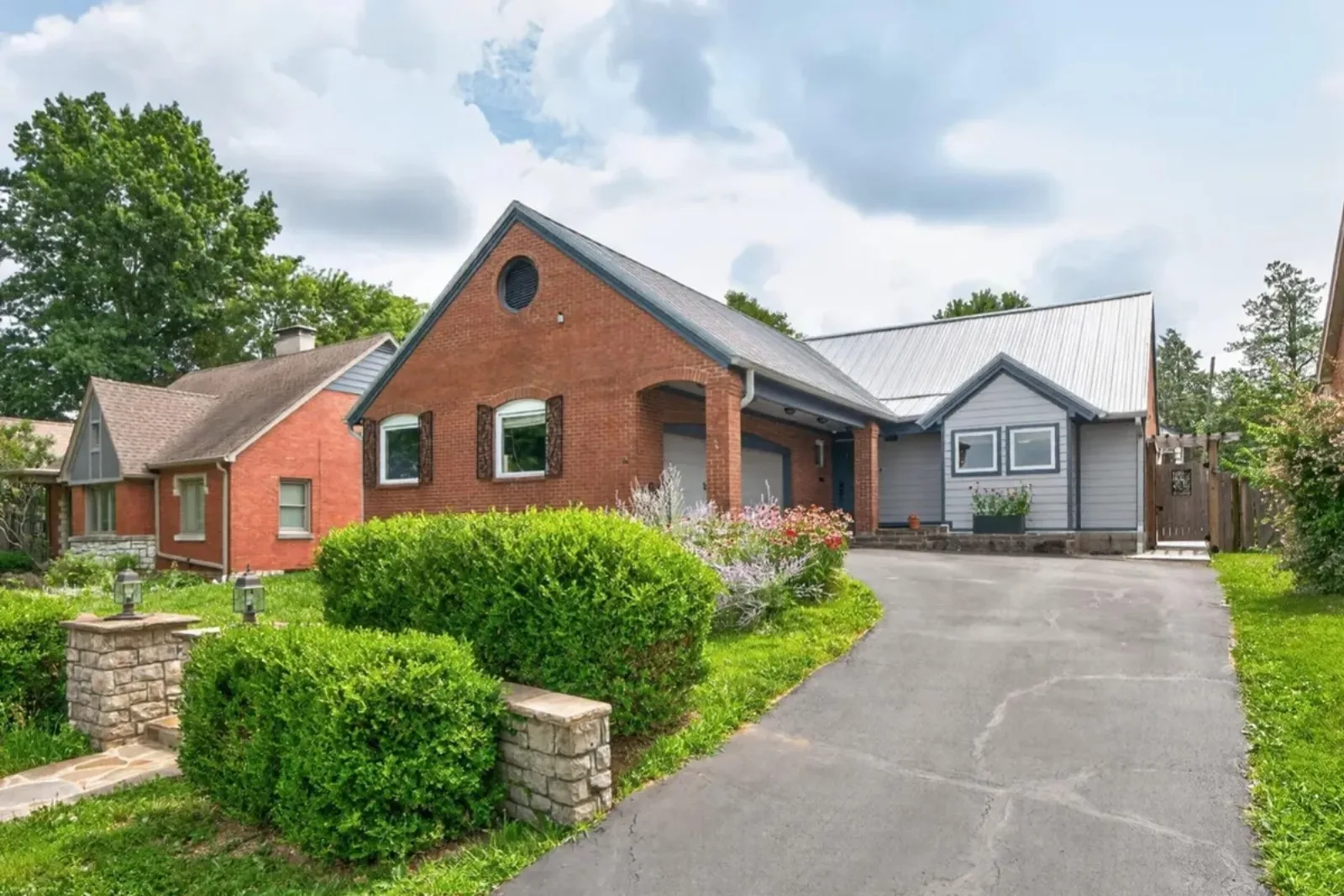
Fayette County Property Taxes: A Lexington KY Guide
Since I started helping people buy in Lexington, the Fayette County property tax question comes up fast — usually right after "what's the payment?" It's a fair one, and the honest answer is easier than the paperwork makes it look. If you just pulled an assessment notice out of the mailbox this spring, this is the guide I'd hand you.
The short version: Fayette County property taxes run a little under 1% of a home's value in most of Lexington — the median works out to roughly 0.83% effective. On the county's median home, worth about $318,000, that lands the median bill around $2,500 a year (2025 data), though it swings hard by district. Homeowners 65 or older, or those on total disability, knock $49,100 off their assessed value through the homestead exemption. And your one window to appeal opens the first Monday in May. Everything below is just those pieces, unpacked.
Buying in Fayette County and want the real tax math on a specific address? Ask me to run the numbers — I do it for every client anyway.
How Fayette County Property Taxes Work
Your tax bill isn't one number set by one office. It's a stack of rates from different taxing districts — the Commonwealth of Kentucky, Lexington-Fayette Urban County Government, Fayette County Public Schools, and whatever special districts (fire, library) happen to cover your address. The PVA doesn't set those rates. The PVA sets your home's value; the districts set the rates; the math meets in the middle on your bill.
Here's the yearly rhythm. On January 1, your property is valued for tax purposes. In early April, an assessment notice goes in the mail telling you what the county thinks your home is worth. Bills follow in the fall, and — this catches transplants off guard — Kentucky bills in arrears. The bill you pay in October is for the year that's ending, not the one ahead. It runs backward from how a lot of states do it, but that's the system here.
Understanding Tax Rates in Lexington
Because your rate is built from all those districts, there's no single "Lexington rate" I can quote you and be right. The median effective rate lands near 0.83% of value, but the actual number depends on exactly where the house sits — school levies and special districts move it more than the county line does. Two homes worth the same amount, a few miles apart, can owe noticeably different taxes.
The most useful tool in this whole guide is the Fayette County PVA's tax districts calculator — punch in an address, see the exact rates that apply. Bookmark it. And if you're weighing Kentucky's overall tax picture against another state, I break down the full cost math in my cost-of-living breakdown; property tax is only one line of it.
Assessed Value vs. Market Value: The Key Difference
This is where most people get tripped up, so let me draw the line clearly. Your home has two different values, and they're not the same number.
Market value is what your house would actually sell for today — what a real buyer would pay. That's the number I work with when I price a home for sale.
Assessed value is what the Fayette County PVA says your home is worth for tax purposes. Kentucky law says property is assessed at 100% fair cash value, but in practice that April notice can still land above or below what a buyer would really pay — assessments lag the market, and the market moves.
Say you bought at $300,000 a few years back and the home would fetch $340,000 now. The PVA might carry it at $315,000. Your taxes are calculated on that assessed number, not on what you could sell for. Your notice lists both figures plus an estimated bill, so it's worth actually reading rather than filing. Want to know where the market really is on your street? I track it in my Lexington housing market guide.

Curious what your home would actually sell for — not the PVA's number? Get a real market valuation and I'll show you both figures side by side.
The PVA and the Assessment Process
The Property Valuation Administrator — the Fayette County PVA — is an elected office that sets the fair cash value of every property in the county. David O'Neill has led it since 2009, and to his office's credit, they've made the notices and online tools genuinely easier to use than they used to be.
The office sits at 101 East Vine Street, Suite 600, Lexington, KY 40507, and you can reach them at (859) 246-2722. Here's the timeline that matters:
- January 1 — your property is valued for the tax year.
- Early to mid-April — assessment notices are mailed.
- First Monday in May — the tax roll inspection period opens.
- Roughly two weeks later (third Monday in May) — the inspection period closes; your appeal window closes one business day after that.
- Late May onward — Board of Assessment Appeals hearings, generally 25 to 35 days after the inspection period ends.
One thing worth knowing: the PVA actually encourages you to come in for an informal conference before filing anything formal. It's usually faster and less stressful than the full appeals board, and plenty of disagreements get settled right there.
How to Appeal Your Assessment
If your assessment looks too high, you have the right to contest it — and the process is more straightforward than most people expect. Four steps:
Step 1: Conference with the PVA. Schedule a sit-down with the PVA or a deputy. Bring comparable sales, recent listing data, anything that shows the value is off. This informal conversation resolves a lot of cases on its own.
Step 2: File a formal appeal. If the conference doesn't get you there, file with the Fayette County Clerk before your window closes — one business day after the inspection period ends in May.
Step 3: Board of Assessment Appeals hearing. The local board hears your case 25 to 35 days after inspection closes. You present your evidence and explain why the number's wrong.
Step 4: Appeal to the state. Still not satisfied? You can take it to the Kentucky Claims Commission within 30 days of the board's ruling. It's rare, but it's there.
The thing that decides appeals is evidence, not frustration. Picture a homeowner whose assessment came in nearly 50% above what recent sales supported — the appeals that win look like theirs did: two independent appraisals, a stack of comparable neighborhood sales, and a scheduled conference rather than a blind filing. Walk in with documentation and you've got a real case. Walk in because the number "feels high" and you don't.
The Homestead Exemption for Seniors
If you're 65 or older, or classified as totally disabled by a public or private retirement system, Kentucky's homestead exemption is real money you shouldn't leave on the table. It lets you subtract a set amount from your home's assessed value before taxes are figured.
For the current 2025–2026 cycle, that amount is $49,100 (up from $46,350 the prior cycle — the legislature adjusts it every two years for cost of living). So a home assessed at $250,000 gets taxed as if it were worth $200,900. That's meaningful savings, every single year, and it doesn't renew itself — you apply once through the PVA's office. If you or a parent just crossed 65, put this on the list.
How You Actually Pay: The Escrow Account
Most Lexington homeowners never write the county a check. If you have a mortgage, your lender collects a slice of your estimated taxes and insurance with every monthly payment, parks it in an escrow account, and pays the county directly when bills come out in the fall.
The word doing the work there is estimated. When your assessment rises, your monthly payment gets adjusted to match. Overpay across the year and you get a refund; underpay and the monthly climbs. Once a year you'll get an escrow analysis — read it, because lenders sometimes over-collect "to be safe," and that cushion is essentially an interest-free loan you're handing your mortgage company. If you're buying your first place and this is all new, I walk through escrow and closing costs in plain English in my first-time homebuyer guide.
Comparing Fayette to Surrounding Counties
Relocating buyers often ask how Lexington stacks up against Scott, Woodford, Jessamine, or Bourbon County. The honest answer: it depends on the specific address more than the county name. Fayette's effective rate sits roughly mid-pack for Kentucky, and the real spread usually comes down to school funding and special districts, not the raw county rate. If you're torn between two counties, have me run the numbers on the actual homes you're considering — and if timing matters to your decision, my read on the best time to buy covers that side.
Frequently Asked Questions
What's the difference between the Fayette County PVA and the County Clerk?
The Property Valuation Administrator (PVA) decides what your property is worth for tax purposes. The County Clerk handles the paperwork side — processing appeals and the tax roll. Simplest way to remember it: the PVA sets the value, the Clerk handles the process, and the Sheriff's office collects the bill.
How do I look up my property assessment online?
Use the Fayette County PVA's qPublic property search. You can look up any address or parcel number to see its assessed value, property details, and tax history. A free account gives you 100 searches a month — worth doing before you make an offer or list your home, so you know what the county thinks it's worth.
When is my property tax bill due?
Bills are mailed the last week of September and land in early October. If you have a mortgage, your lender pays it straight from your escrow account, so you may never touch it. If you own outright, you pay the Fayette County Sheriff's office directly, with a small discount for paying early and penalties if you wait too long.
Can I appeal my assessment if I just bought my house?
Yes. What you paid doesn't lock in your assessed value, and buying recently doesn't waive your right to appeal. If you think the assessment is too high, you can contest it during the inspection window each May — and a recent purchase price plus comparable sales in your neighborhood is some of the strongest evidence you can bring.
What goes into my effective property tax rate?
Your bill is built from several separate rates — the state, Lexington-Fayette Urban County Government, Fayette County Public Schools, and any special districts (fire, library) that cover your address. That's why two homes worth the same amount can owe different taxes. The PVA's tax districts calculator shows exactly which rates apply to a specific property.
Running the Numbers on a Real Address
Property taxes feel like a black box until you see the pieces — assessed value, the district rates, the exemptions, the appeal window. Once they're laid out, it's just math you can manage. And if you're weighing a specific home, whether it's a bungalow in Masterson Station or something newer out in Hamburg, the smartest move is to know the real tax number before you write the offer, not after you close.
That's the part I handle for every client. Send me the address and I'll pull the assessment, estimate the bill, and tell you straight whether the number looks right — no guessing, no surprises at closing.
Sources: Fayette County PVA (fayettepva.com) for the assessment process, office details, and tax districts calculator; Kentucky Department of Revenue for the 2025–2026 homestead exemption ($49,100); Ownwell / county assessment data (2025) for median home value and tax bill figures. Raya Rivera is a real estate advisor with The Brokerage in Lexington, KY.