DIY Home Improvements That Actually Add Value
Every spring I walk through homes with sellers who are about to spend money — sometimes real money — getting ready to list. And the first thing I tell almost all of them is the same: you're probably about to spend it in the wrong place.
The short version: exterior beats interior, and it isn't close. The highest-return projects in the latest Cost vs. Value report are all outside work — a new garage door, a steel entry door, and stone veneer — plus paint and landscaping, which cost almost nothing relative to what they return. Big interior remodels feel more satisfying, but they rarely pay you back when it's time to sell. If you're selling this year, spend on the first thing a buyer sees.
Here's the data behind that, what's genuinely DIY-able, and how it actually plays out in Lexington.
Selling this year? Before you swing a hammer, let me walk your house and tell you which projects are worth it in your neighborhood — that's what a free pre-listing consult is for.
First, What "ROI" Actually Means
ROI is return on investment — the share of a project's cost you get back at resale. If a $1,000 project adds $1,100 to your sale price, that's 110%. Anything over 100% means the project paid for itself and then some. Most don't. The ones that do are almost all on the outside of the house.
The numbers below come from Zonda's 2025 Cost vs. Value Report, the industry's annual benchmark of national remodeling costs against resale value. National averages aren't Lexington-exact, but the ranking — what beats what — holds up here. And the headline that year was blunt: eight of the ten highest-ROI projects were exterior replacements. Curb appeal isn't a nice-to-have. It's the whole game when you're selling.
Exterior Projects That Deliver the Biggest Returns
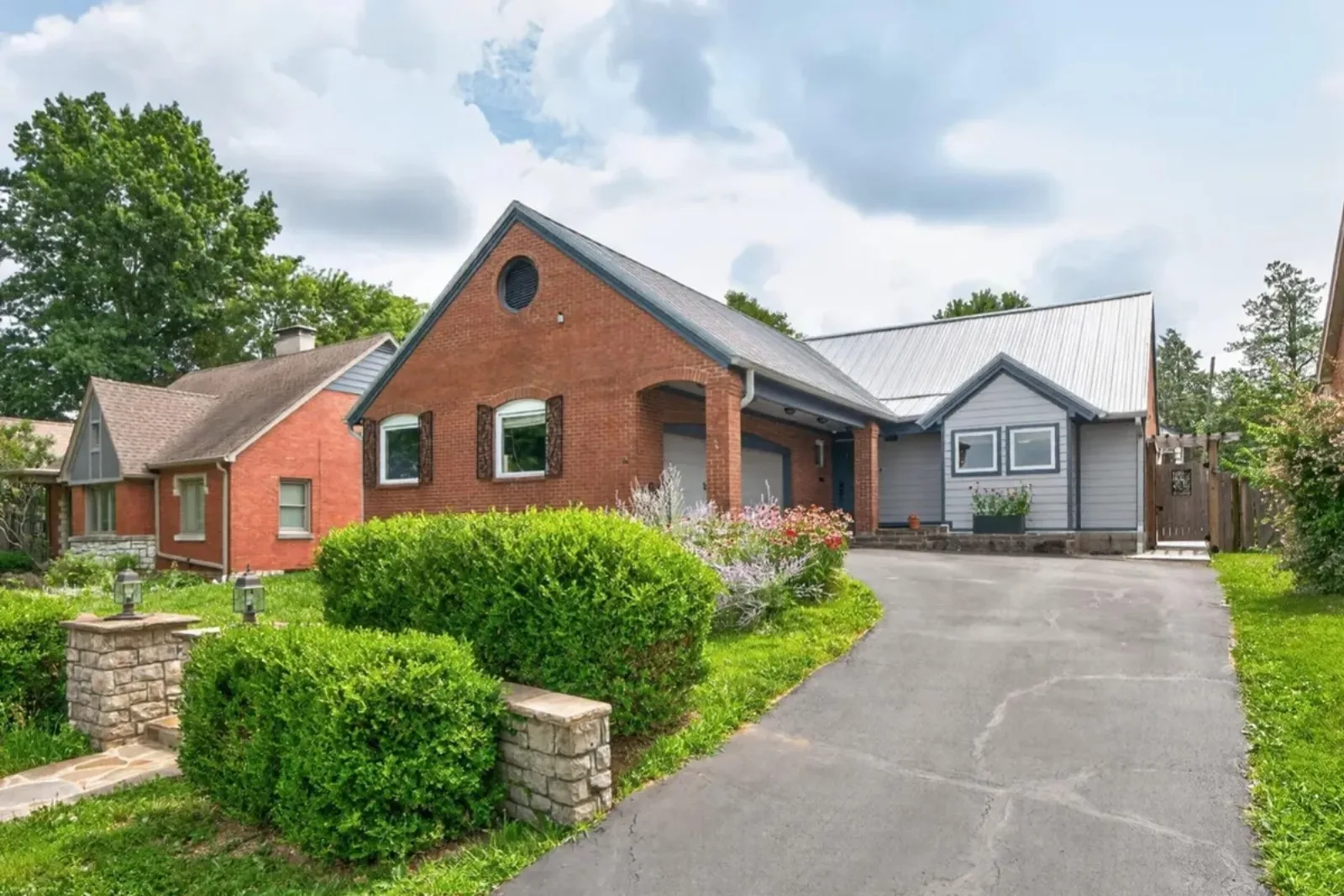
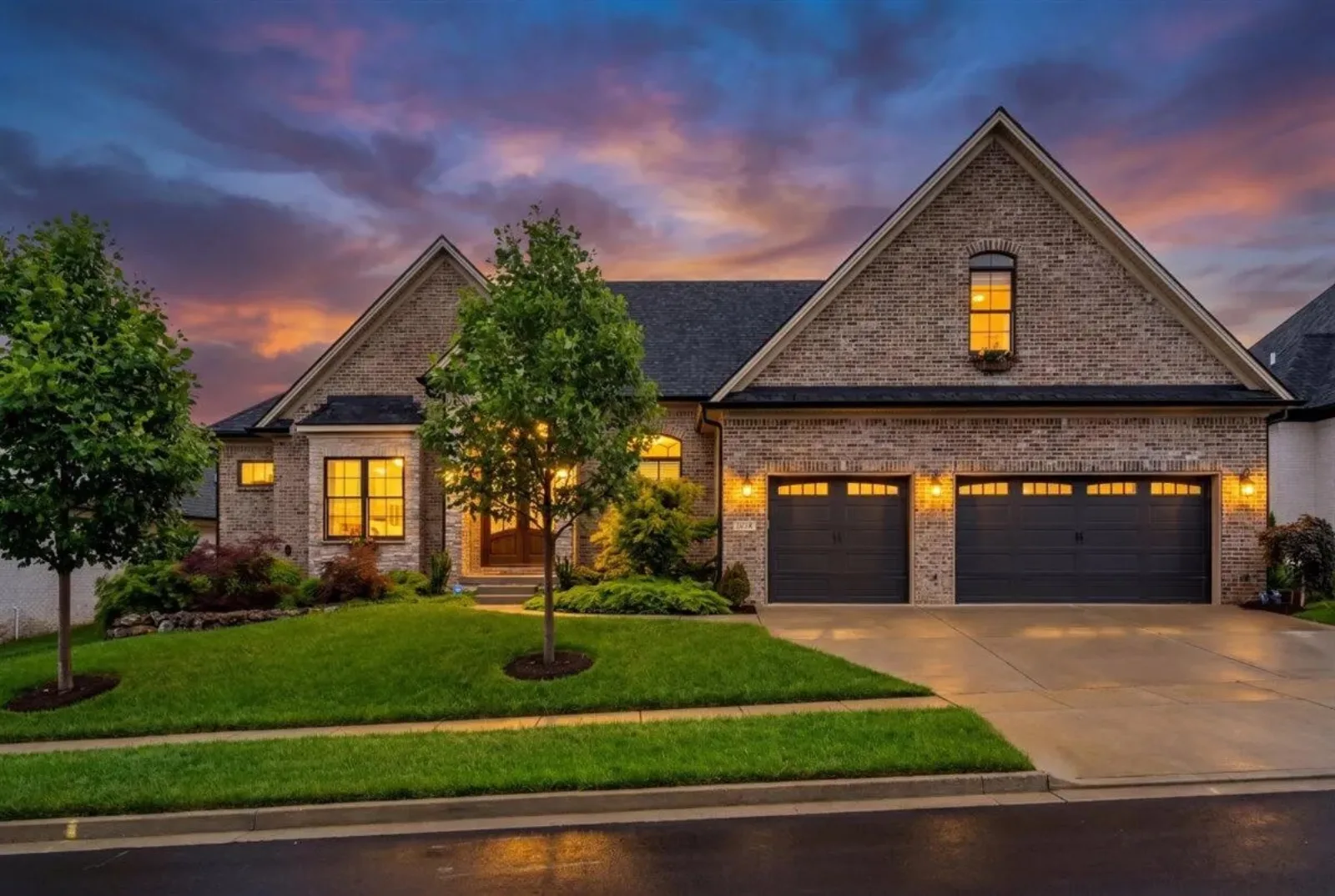
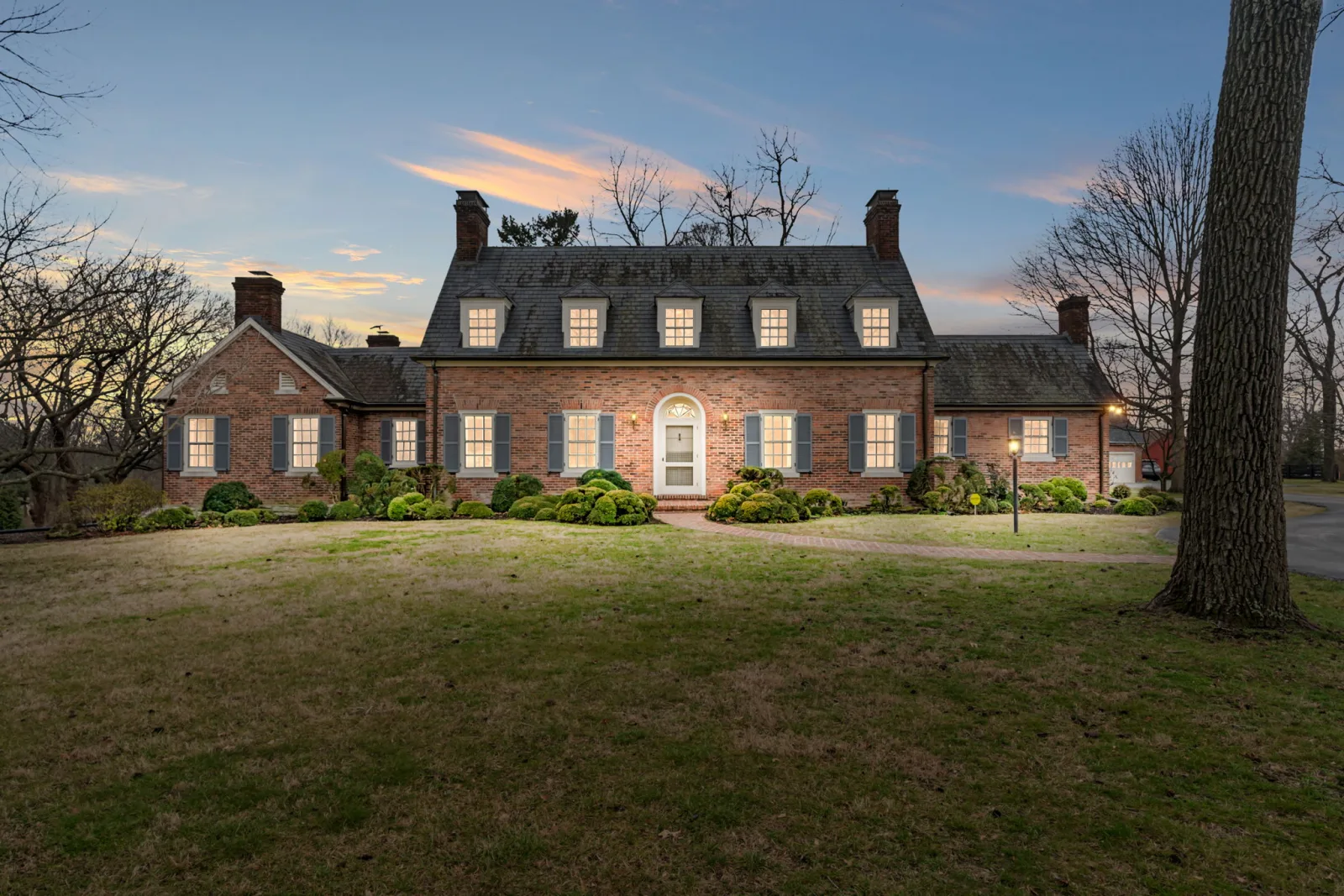
If you only touch one category before listing, make it the outside. A buyer's first impression happens in the driveway. Half of them have already decided how they feel before they reach the front door, and where the local market sits right now means buyers have enough choice to be picky about it.
Garage Door Replacement — about 268% ROI
This one surprises people, and it surprised me the first time I saw the data. In the 2025 report, garage door replacement topped the national list: roughly $4,700 in cost against about $12,500 in added resale value. On a house with a street-facing garage, it's one of the largest single surfaces a buyer sees. Pick a style that fits the architecture — carriage-style on a traditional home, clean flat panels on something modern — and coordinate the color with your trim. Installation is usually a hire-out, but even paying a pro, the return is exceptional.
Steel Entry Door Replacement — about 216% ROI
Your front door is a small surface doing enormous work. The 2025 report put a steel entry door at roughly $2,400 in cost against $5,300 in resale value. A crisp new door reads as "this house is maintained" before anyone steps inside. This one is genuinely DIY-able if you're handy — the tricky part is pulling the old door without wrecking the frame, so measure carefully. In Lexington's older neighborhoods, I've watched a saturated color — forest green, deep navy, oxblood — do more for a facade than a whole weekend of other work.
Manufactured Stone Veneer — about 208% ROI
Adding stone veneer to the front of a house makes it read as established and expensive. The national figure covers replacing the lower third of the front facade — around $11,700 in cost, about $24,300 back. You can absolutely scale it down to a porch base, a chimney, or an entry accent for a fraction of that; the return holds anywhere you use it thoughtfully. Some people DIY it with patience, but many bring in a pro because it's slow, finicky work.
Landscaping and Cleanup — the cheapest lever there is
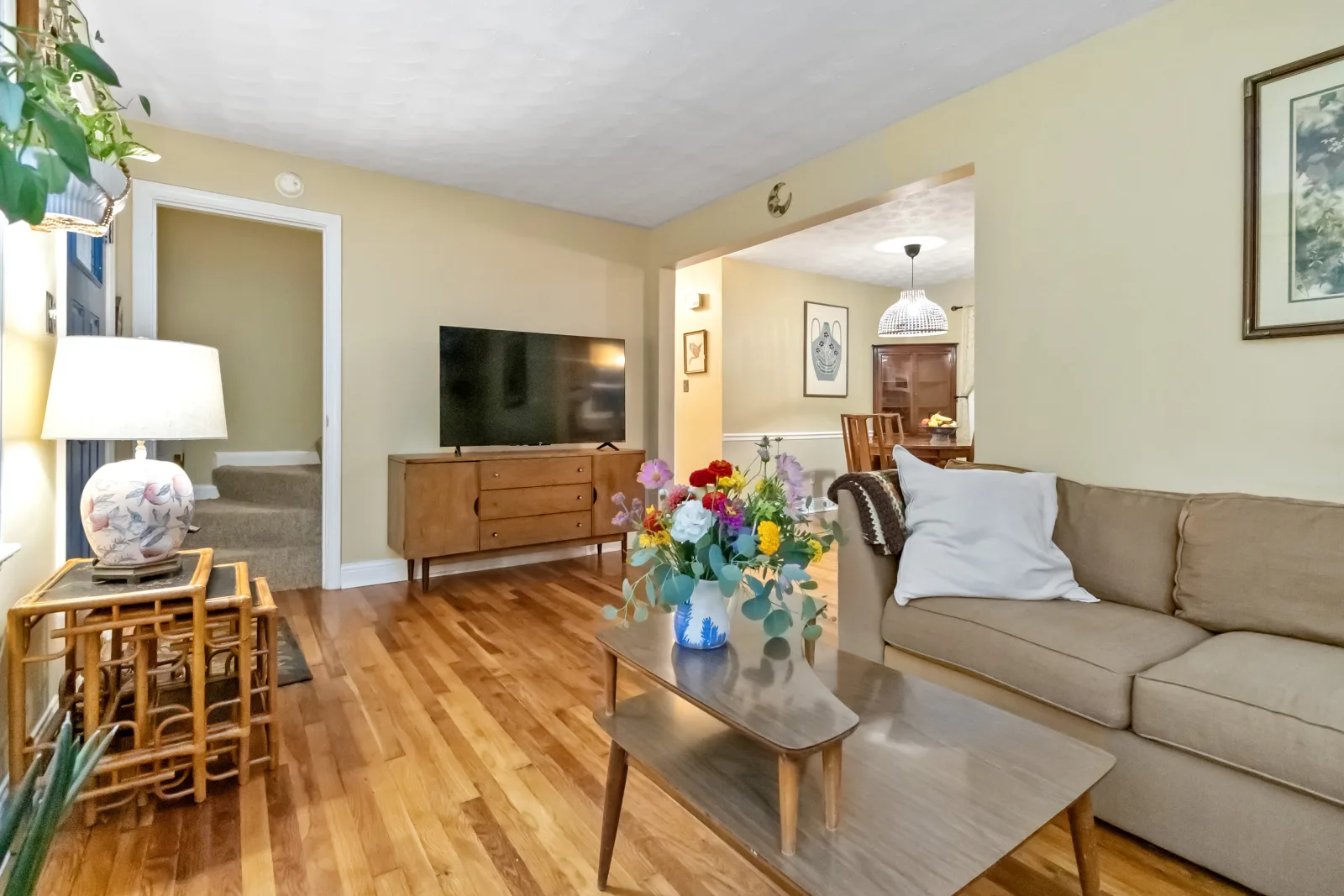
Basic landscaping never makes the official ROI lists because it's hard to standardize, but it's the highest-leverage money most sellers can spend. Fresh mulch runs $50–$200. A few colorful perennials, $100–$300. Trimming overgrowth, edging beds, and power-washing the driveway and siding cost mostly your Saturday. These touches disappear into the "well-kept" impression that makes a buyer relax the moment they pull up — and a relaxed buyer writes stronger offers.
Not sure which exterior project pencils out for your house and your street? That's a five-minute conversation — just ask me.
Interior Improvements Worth Your Time
Interior work doesn't hit those exterior percentages, but "move-in ready" is decided inside. The goal here isn't wow — it's the absence of anything a buyer would flag.
Minor Kitchen Refresh — about 113% ROI
A minor kitchen refresh was the best-returning interior project in the 2025 report, at roughly 113%. Note the word minor — this is not gutting the room. It's a thoughtful cosmetic pass:
- Painted cabinets — transforms the whole room for $500–$1,500, and a real weekend DIY if you pull the doors
- New hardware — swapping every pull and knob runs $200–$400 in materials
- Updated lighting — pendants over the island or under-cabinet strips, $300–$700
- Fresh paint — a warm, neutral wall color, $200–$400 in supplies
If your budget is tight, start with painted cabinets. Nothing else changes a kitchen that much for that little.
Bathroom Updates
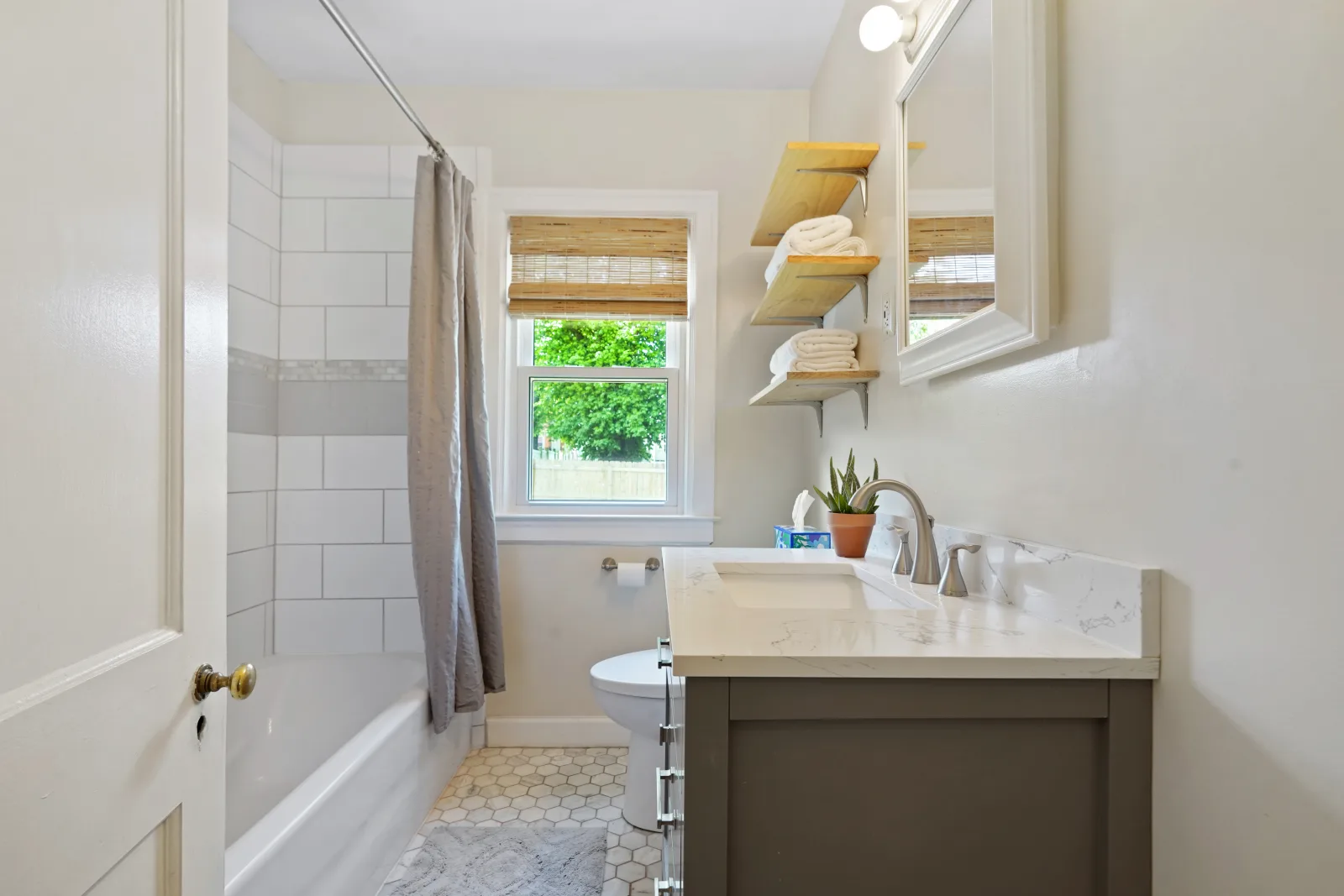
Bathrooms don't post kitchen-level returns, but an outdated one stops buyers cold. You don't need a renovation — you need fresh and clean. A new vanity and faucet ($400–$800), updated light fixtures ($200–$400), new caulk and paint, a modern mirror. The bathroom above is a rental-grade space brought current with a new vanity, subway tile, and open shelving — no wall came down. That's the whole idea.
Flooring
If you've got worn carpet or dated linoleum in the main living areas, luxury vinyl plank (LVP) is the workhorse fix: it reads like hardwood, it's waterproof and durable, and it's far more DIY-friendly than real wood. Budget roughly $1,500–$2,500 in materials for 500 square feet, more if you hire the install. Lexington buyers love a hardwood look, and LVP gets you most of the way there for a fraction of the cost.
Paint — the most underrated dollar in the house
I'll say it plainly: paint is often the single best return in a home. Fresh, neutral walls — warm whites, soft grays, light creams — make a house feel cleaner, brighter, and newer for the price of supplies and a few weekends. Avoid the trendy or the dark when you're selling; you're painting for the largest possible number of buyers, not for yourself. And don't skip caulk: crisp white lines along baseboards and trim quietly signal a cared-for home.
Small Projects, Real Impact
Plenty of what moves a buyer costs under a few hundred dollars and a bit of effort:
- Hardware swaps — cabinet pulls, door knobs, light-switch and outlet covers, all in one finish. $400–$800 to do a whole house, and it reads as intentional.
- Closet organization — you don't need a built-in system. Declutter, add simple shelving, use matching bins. Buyers who see a spacious, orderly closet picture their own things fitting; a stuffed one makes the house feel small.
- Curb appeal on a shoestring — power-wash everything, fresh mulch and flowers, a painted front door, new house numbers, a little landscape lighting. Under $1,000 all-in, and it changes the entire arrival.
Should You Do This Before Selling Your Lexington Home?
This is the question I get most, and the honest answer is: some of it, not all of it.
Worth doing before you list: exterior cleanup and repairs, paint inside and out, decluttering, worn flooring in main rooms, and any real defect — a roof leak, a broken window, loose siding. Usually skip: a full kitchen or bath gut, expensive finishes you love but a buyer might not, and anything deeply personal. Those rarely earn back their cost, and you won't be around to enjoy them.
Two things that are specific to selling here. First, the right budget scales to your price point — with the Lexington median sale around $375,000, most listing prep runs in the low thousands, not a five-figure renovation. There's no magic "spend 5–10% of your home's value" rule; spend where the return data points and stop. Second, expectations change block by block. In a newer neighborhood like Beaumont, buyers often expect updated kitchens and current finishes. In a historic pocket like Kenwick, they're buying character and good bones — over-modernizing can actually work against you. And at the top of the market, the finish bar is different again. A pre-listing walkthrough is how you find out which version of "ready" applies to your house.
One last thing: don't over-renovate on your way out the door. If you're moving anyway, pour your energy into curb appeal, cleanliness, and the handful of updates that make the home feel cared-for and move-in ready. That's where the return lives.
Frequently Asked Questions
What home improvements add the most value before selling?
Exterior work, by a wide margin. In Zonda's 2025 Cost vs. Value Report, the three highest-return projects nationally were garage door replacement (about 268% of cost recouped), a new steel entry door (216%), and manufactured stone veneer (208%). Eight of the top ten projects were exterior. Paint and landscaping don't appear on that ranking, but they cost almost nothing relative to the difference they make in a buyer's first thirty seconds. If you're selling soon, spend on the outside first.
Do interior remodels pay off when you sell?
Some do, most don't fully. A minor kitchen refresh — new hardware, paint, updated lighting, a fresh backsplash — returned about 113% nationally in the 2025 Cost vs. Value Report, the best of any interior project. Full gut renovations recoup well under their cost at resale. The rule of thumb: if you're selling, refresh cosmetically; if you're staying, remodel for yourself and enjoy it.
How much should I spend on improvements before selling my Lexington home?
There's no fixed percentage — spend where the data says you'll get it back, scaled to your price point. With the Lexington median sale around $375,000, that usually means a few thousand on curb appeal, paint, and cleanup rather than a five-figure renovation. The smartest first step is a pre-listing walkthrough with your agent to see which projects actually move the needle in your specific neighborhood.
Which projects can I actually do myself?
Paint, landscaping, mulch, power washing, hardware swaps, caulk, and new house numbers are all genuine DIY if you have the time. A steel entry door is doable if you're handy. Garage door installation, flooring, and anything electrical or plumbing are usually worth hiring out — a botched job costs more than you saved. Be honest about your skill level.
Will home improvements help my house sell faster?
Generally, yes. Move-in-ready homes with clean curb appeal tend to sell faster and closer to list price than comparable homes that need work, because they draw more showings and fewer "we'd have to fix that" hesitations. I can't give you a guaranteed number — every home and street is different — but in a market with real buyer choice, presentation is what separates the home that gets offers from the one that sits.
Thinking About Selling This Year?
Before you spend a dollar getting ready, spend twenty minutes with me. I'll walk your house, tell you which projects are worth it on your street and which ones you can skip, and help you sequence the work so you're not painting the week before photos. If you want the bigger picture first, here's how to sell your home in Lexington and how to think about timing the sale.
Book a free pre-listing consult — let's make sure your money goes where it comes back.
Data: Zonda 2025 Cost vs. Value Report (national averages, published September 2025); Lexington median sale price via FlexMLS / ImagineMLS, spring 2026. Raya Rivera is a real estate advisor with The Brokerage in Lexington, KY.