Lexington KY vs Nashville: Which City Fits You?
The question comes up almost every week, usually from a family already living in Nashville: "we're looking at Lexington too — which one actually makes sense?" They're watching their housing budget stretch thinner every year and wondering whether there's a calmer, more affordable version of the life they already have.
I'm a Lexington agent, not a Nashville one — I came here from Philadelphia for the University of Kentucky and stayed. But I work with buyers relocating out of Nashville constantly, so I hear this comparison from the people who are actually living it. Here's the honest 2026 side-by-side.
The short version: Lexington gives you the same Southern, food-and-bourbon, four-seasons quality of life as Nashville — for roughly half the housing cost. The median home here runs about $375,000 versus Nashville's $537,000. You trade big-city scale, nightlife, and the fastest job market for a quieter pace, an easier commute, and a mortgage that leaves room to breathe. Whether that trade is worth it depends on what you actually want from a city.
Let's take both sides seriously.
Quick Overview: The Headline Numbers
These are two different-sized cities on two different trajectories. Nashville is a booming metro of more than two million; Lexington is a steady mid-sized city that has quietly become one of the best-value places to live in the region.
| Metric | Lexington, KY | Nashville, TN |
|---|---|---|
| City population | ~325,000 | ~687,000 |
| Metro population | ~520,000 | ~2.1 million |
| Median home price | $375,000 (FlexMLS, Jul 2026) | $537,000 (Greater Nashville Realtors, Jun 2026) |
| Typical 2-bedroom rent | $1,100–$1,300 | Several hundred dollars more per month |
| Overall cost of living | Lower — you feel it most in housing | Meaningfully higher |
The takeaway: Lexington is smaller, more affordable, and slower-paced. Nashville is bigger, pricier, and growing fast. Neither is "better" — it depends on what you want your daily life and your monthly budget to look like.
Weighing the move? Talk it through with a Lexington local — no pressure, just a straight answer about whether the city fits.
Cost of Living and Housing: Where the Real Gap Is
This is the single biggest difference between the two cities, and it's the reason most Nashville families reach out to me in the first place.
Home Prices
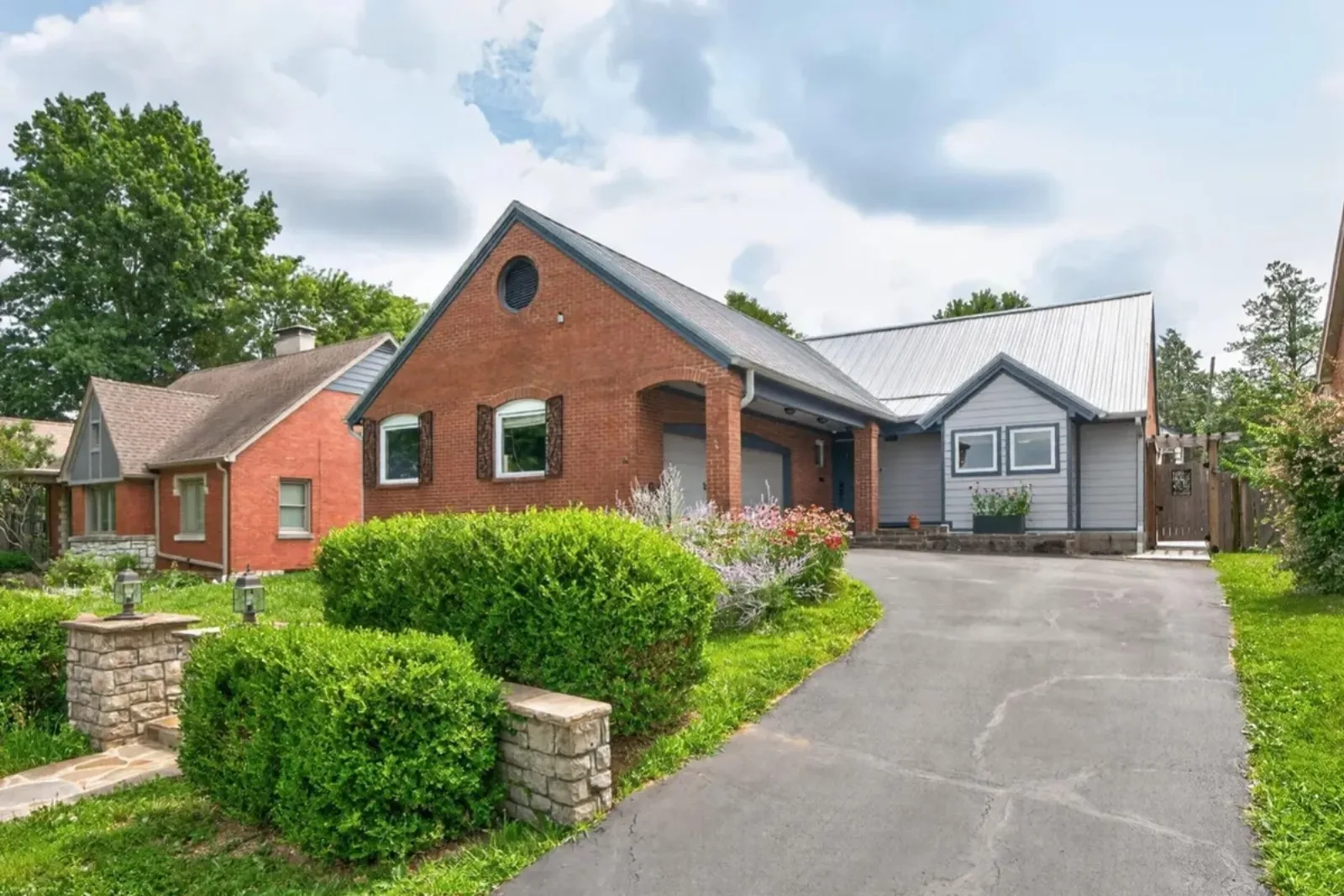
In Lexington, the median sale price was $375,000 as of July 2026 (FlexMLS / ImagineMLS — the local MLS, not a national estimate). That buys a real house in a real neighborhood: a three-bed ranch in an established area, a four-bed with good schools, or a historic home closer in if you move quickly.
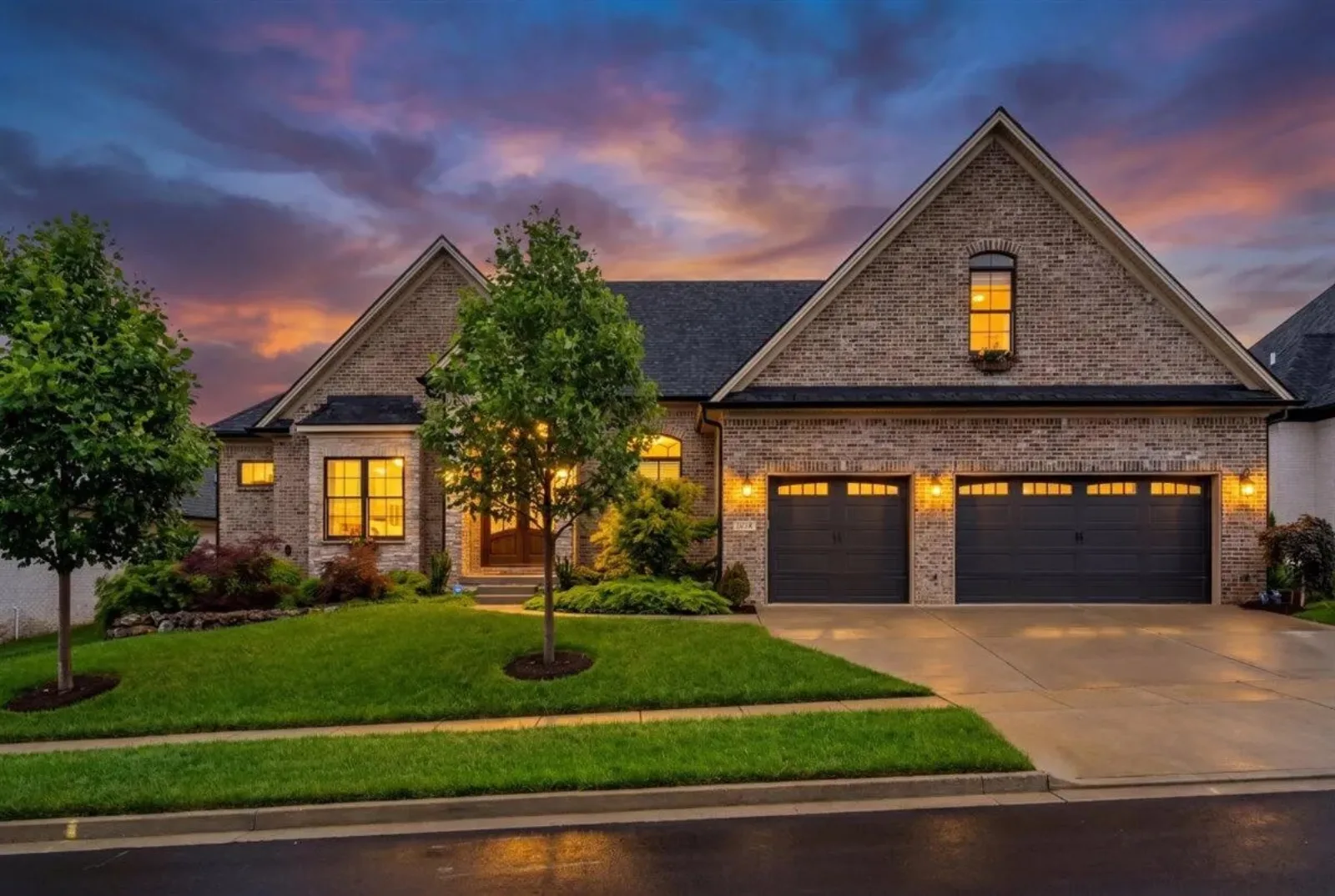
Nashville is a different tier. The Greater Nashville median single-family price sat around $537,000 in June 2026. A comparable three-bedroom in a desirable Nashville neighborhood commonly runs well over 50% more than its Lexington equivalent. Even with more inventory on the market than a few years ago, that gap has stayed wide.
Rent and Everyday Costs
Renters feel it too. A two-bedroom in Lexington generally runs $1,100 to $1,300 a month; the same apartment in Nashville costs several hundred dollars more. Across groceries, dining, and utilities, Lexington's overall cost of living lands meaningfully below Nashville's — though the honest framing is that housing drives most of the difference, not a few percent on the grocery bill.
The trade-off is wages: pay in Lexington generally runs below Nashville's, which is part of how the cost of living stays down. If you're keeping a remote salary or your household income travels with you, Lexington is where that money stretches furthest. If you're changing jobs to move, price the whole equation, not just the house. My cost-of-living breakdown runs the full math.
The clearest way to feel the difference is to look at what your budget actually buys. See what $375,000 gets you in Lexington — I'll pull real listings for you.
Job Market and Career
Nashville has the bigger and faster-moving job market, full stop. Healthcare leads it — HCA Healthcare and Vanderbilt University Medical Center are major employers — alongside a deep music and entertainment industry and a growing tech sector. The sheer volume of openings is the draw, and it can push salaries higher. The trade is more competition, more corporate culture, and a faster pace.
Lexington's economy is smaller but genuinely diversified, so no single employer's bad year sinks the town. The University of Kentucky and UK HealthCare anchor the job market — a major research university and an academic medical center in the middle of the city. Toyota's large Georgetown plant is 20 minutes north, state government sits in Frankfort a short drive away, and healthcare and distribution keep growing. Breaking into a new field tends to be easier here, and networking happens naturally through UK, the horse community, and a close-knit business scene.
If you work in tech, healthcare at scale, or entertainment, Nashville's opportunity set is broader. If you value stability, lower competition, or you're building something of your own, Lexington makes that easier.
Food, Bourbon, and Going Out

Both cities eat well, in different registers. Nashville's dining scene is bigger, more national, and moving fast — it landed its first Michelin recognition in 2025 when Bastion earned a star, and new restaurants open constantly. The flip side is what my Nashville clients tell me they're tired of: the waits, the crowds, and prices that climb every year as the city grows.
Lexington's scene is smaller and farm-forward, and it punches above the city's size. You're surrounded by producers, farms, and bourbon distilleries, and the restaurants lean into that. The Bourbon Trail effectively starts in your backyard. It's an intimate, walkable food culture where you'll actually see the same chefs and owners around town — the opposite of anonymous.
For nightlife and live music at full volume, Nashville is in a league of its own; that's a real reason people choose it. Lexington's evenings run quieter — distilleries, good restaurants, a few solid music rooms, and UK basketball as the closest thing the city has to a civic religion. If a loud downtown at 1 a.m. is essential to your happiness, be honest with yourself about that up front.
Getting Outside
Both cities give you real access to nature; the experience just differs. I'm a walker — downtown, the parks, whatever trail is nearest — so this section is close to my heart.
Lexington keeps its green space close and quiet. Raven Run Nature Sanctuary is a 734-acre preserve with about 10 miles of trails along the Kentucky River. The UK Arboretum offers a paved 2.5-mile loop through a 100-acre garden, Tom Dorman State Nature Preserve protects 900-plus acres in the river palisades, and the Legacy Trail is a local favorite for walking and biking. Ten minutes past the city's edge, the horse farms begin — that's zoning, not marketing, thanks to an urban service boundary Lexington has held since 1958.
Nashville's outdoors run bigger and busier. Radnor Lake State Park anchors it with 1,200 acres and heavy wildlife, the Harpeth River Greenway stretches for miles, and Stillhouse Hollow Falls, about 45 minutes out, rewards a moderate hike with a 75-foot waterfall. You get more dramatic scenery and harder trails — and you'll share them with more people.
If you want solitude and nature woven into daily life, Lexington. If you want waterfalls and more trail variety, Nashville edges it.
Neighborhoods

Lexington's neighborhoods have distinct personalities and, in the older ones, real walkability. A few worth knowing:
- Chevy Chase — historic, tree-lined, and close to downtown shops and restaurants, with a genuine community feel.
- Southland — a quirkier, more artistic pocket with local businesses, breweries, and a younger crowd.
- Hamburg — newer and family-friendly, with shopping and parks close at hand. My own family recently moved here from downtown, so I'll admit some bias.
- Beaumont — newer construction and modern layouts, popular with families who want good schools and easy access.
For the full picture — including which neighborhoods fit which budgets and school priorities — start with my best neighborhoods guide.
Nashville's neighborhoods are more spread out and more car-dependent, but they each have strong character: East Nashville leans trendy and artistic, The Nations skews newer and urban, Green Hills is established and upscale, and Germantown offers historic charm with boutique dining. The pattern is that Nashville neighborhoods sort more sharply by price and lifestyle than Lexington's do.
The Bottom Line: How to Decide
Here's how I frame it for the families I work with.
Choose Lexington if:
- You want your housing budget to stretch — roughly half the median price of Nashville.
- You value a shorter commute, a quieter pace, and knowing your neighbors.
- You're starting a business or want less competition to break into a field.
- You like being close to nature without giving up a real city.
- You're building equity and want your money to go further.
Choose Nashville if:
- You're prioritizing career scale in healthcare, tech, or entertainment.
- You want a bigger city with more anonymity, more options, and a major airport.
- Live music and a loud, always-on nightlife are non-negotiable for you.
- You want the widest possible range of dining and cultural experiences.
- You don't mind paying a real premium for big-metro convenience.
Both are good cities. Lexington is my home, and I came to it the way a lot of my clients come to it — from somewhere else, for a reason, and I stayed. What I tell Nashville families is simple: you're not downgrading by looking here. You're buying most of the same life for a lot less, and trading scale for calm. Whether that's the right trade is a personal call — and it's exactly the conversation I'm happy to have.
Frequently Asked Questions
Is Lexington cheaper than Nashville?
Yes, and it isn't close on housing. Lexington's median sale price was about $375,000 in July 2026 (FlexMLS / ImagineMLS), while Greater Nashville's median single-family price was around $537,000 in June 2026. Rent runs lower too — Lexington two-bedrooms land in the $1,100–$1,300 range. Overall cost of living is meaningfully lower in Lexington, and you feel most of that difference in your mortgage.
Is Nashville worth the higher cost?
It depends on what you're buying with the extra money. Nashville gives you a bigger job market, a nationally recognized food and music scene, a major airport, and the energy of a fast-growing metro of about 2.1 million. If career scale and big-city amenities sit at the top of your list, that premium can be worth it. If you're optimizing for affordability, an easier commute, and a calmer pace, Lexington usually wins on value.
Which city is better for first-time homebuyers?
Lexington, on the numbers. A lower entry price, more inventory per buyer, and less bidding pressure make it easier to actually close your first home. A budget that buys a starter house in a solid Lexington neighborhood often buys something smaller or farther out in Nashville. If you're early in the process, my first-time homebuyer guide walks through budget and financing before you tour anything.
Which city has the better job market?
Nashville has the bigger and faster-growing market — healthcare (HCA Healthcare, Vanderbilt University Medical Center), music and entertainment, plus a growing tech sector. Lexington's economy is smaller but steady and diversified: the University of Kentucky and UK HealthCare anchor it, Toyota's Georgetown plant is 20 minutes north, and state government sits nearby in Frankfort. Nashville wins on scale; Lexington wins on lower competition and cost.
Which city is better for raising a family?
Both are solid, and it comes down to trade-offs. Lexington offers a lower cost of living, strong public and private schools, and a tight community feel in a mid-sized city. Nashville offers more schools to choose from and more activities, but with higher housing costs and more sprawl. Families watching their budget or wanting a shorter commute tend to lean Lexington.
Thinking About the Move From Nashville?
If you're weighing Lexington against Nashville — or already scrolling listings on your lunch break — I'd love to talk it through. Helping Nashville families figure out whether Lexington fits is genuinely one of my favorite parts of this job, and I'll give you the honest trade-offs, not a sales pitch. If you're also comparing other markets, my Lexington vs Louisville comparison covers that pair.
Reach out anytime — let's figure out whether Lexington is your next step.
Data: FlexMLS / ImagineMLS Market Summary, Lexington residential, through July 2026; Greater Nashville Realtors median single-family price, June 2026; U.S. Census Bureau population estimates. Raya Rivera is a real estate agent with The Brokerage in Lexington, KY.