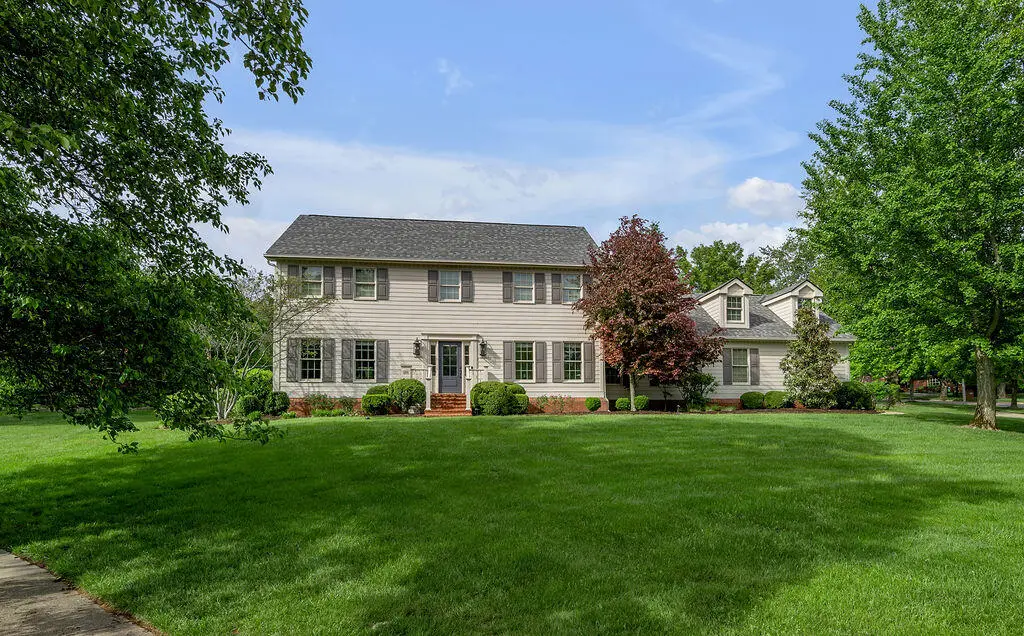
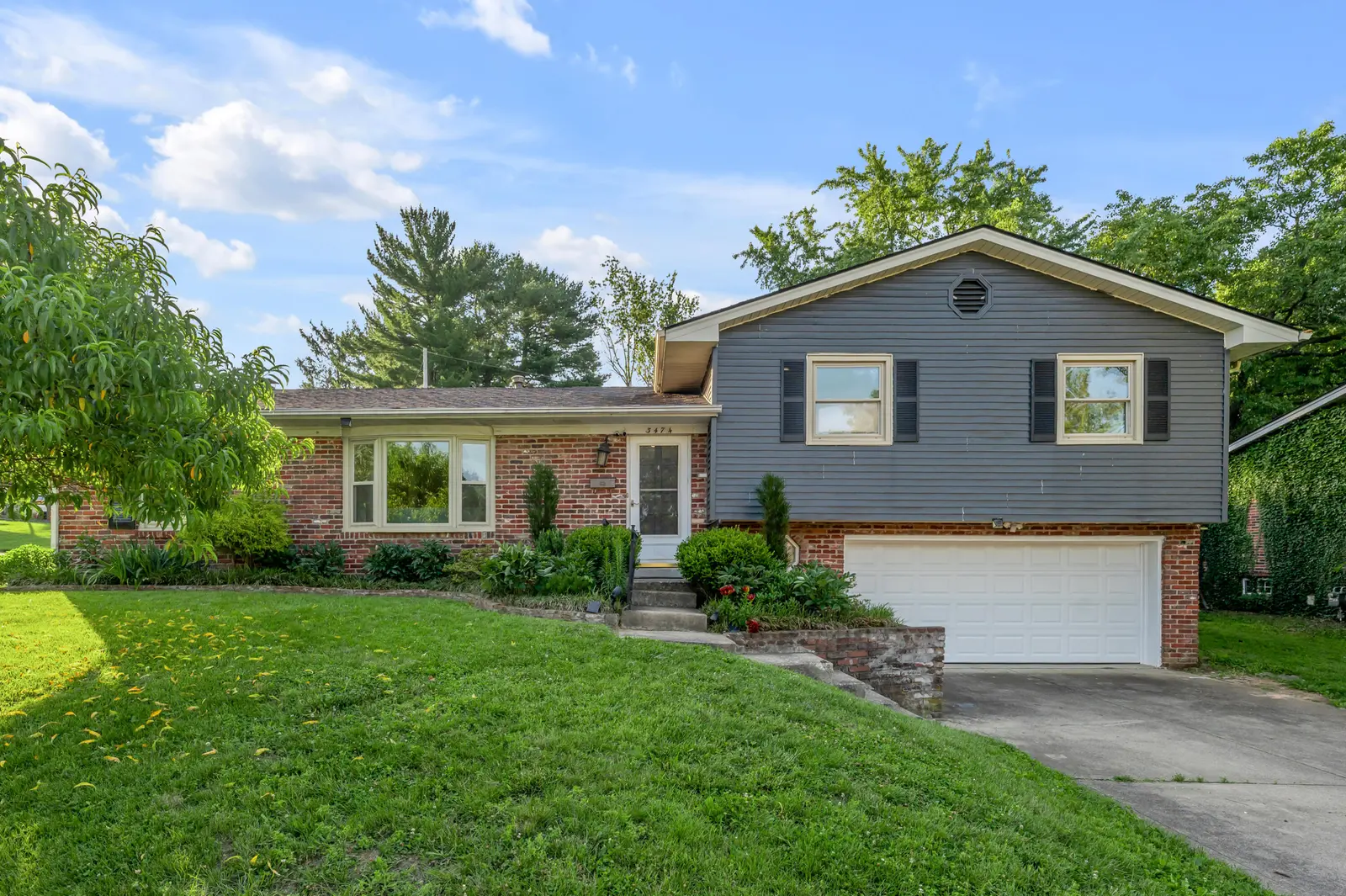
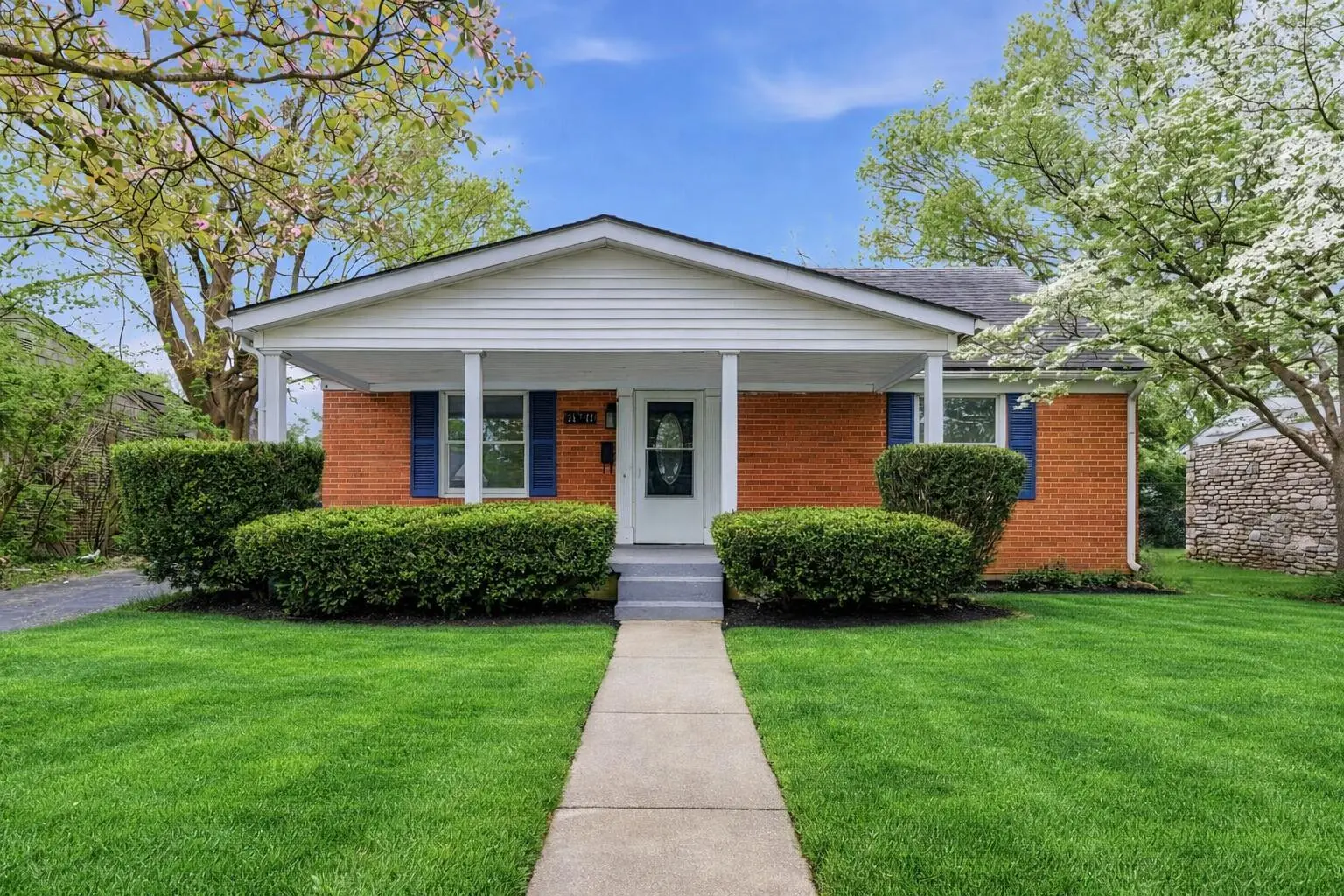
Shadeland's defining number is its lot size. A median around 24,393 square feet — better than half an acre — is genuinely rare for a neighborhood this close to the center of Lexington, and it is the whole reason to shop here.
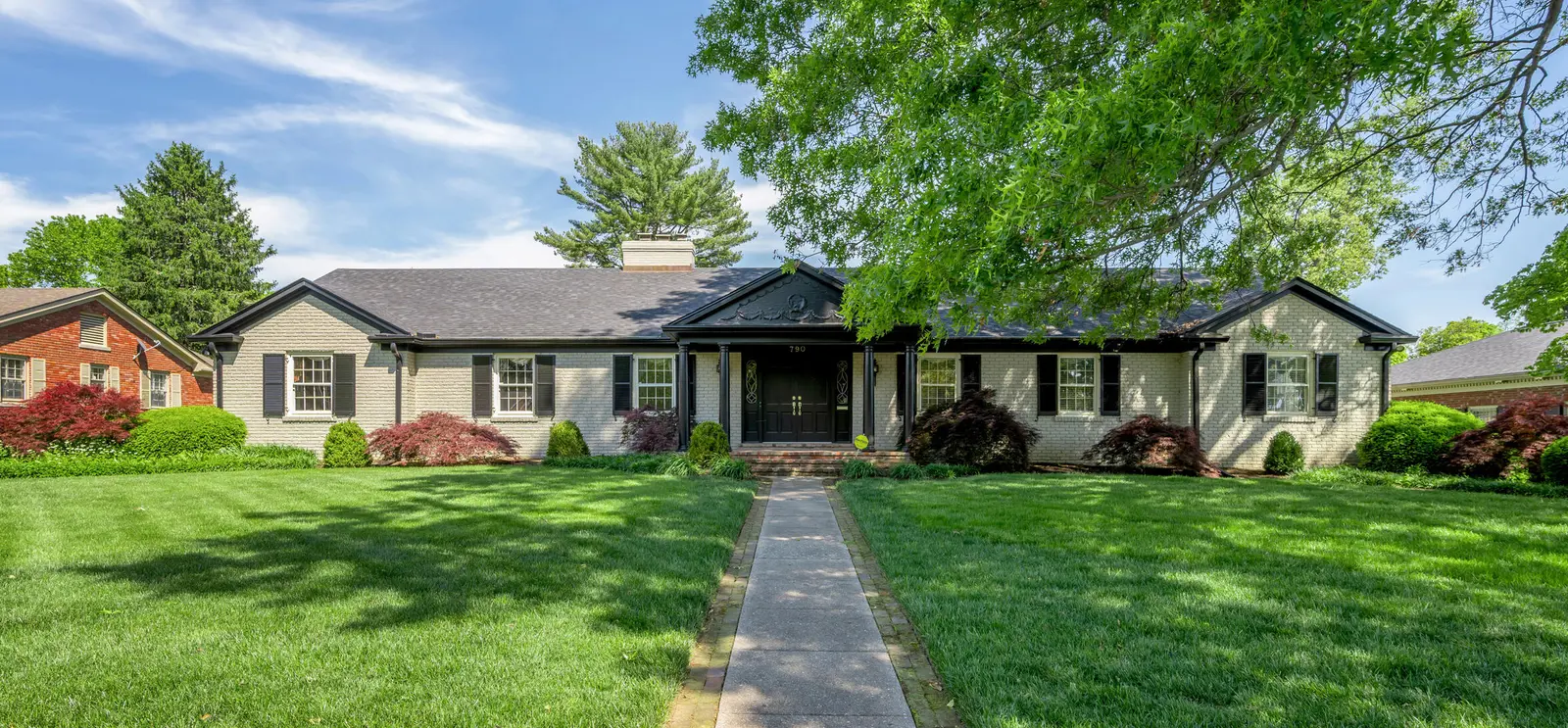
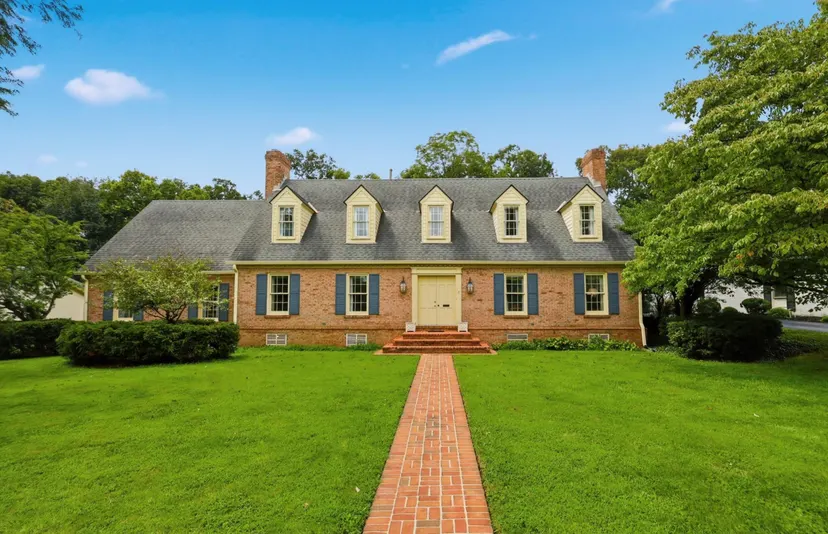
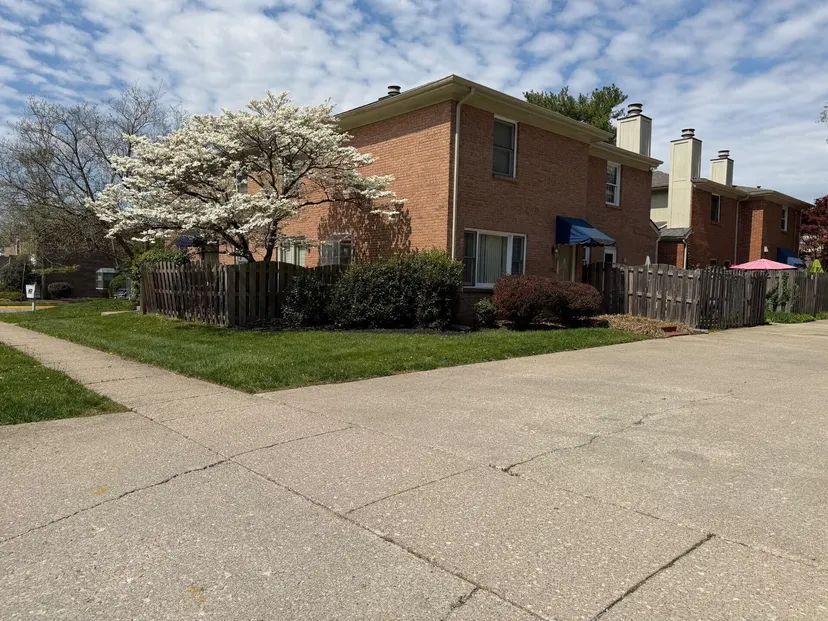
The houses are substantial too, averaging around 3,800 square feet, most built in the 1960s and cared for since. Streets are lined with mature elms and oaks framing traditional ranch and split-level homes.
It is the trade a lot of buyers say they want and then never find: suburban space without a suburban commute.
The median lot here runs around 24,393 square feet — better than half an acre.
Put that next to what a comparable budget buys in a newer subdivision further out and the case makes itself. Land close to the center of a growing city gets subdivided over time; neighborhoods platted in the 1960s at this scale simply do not get built anymore. The lot is the appreciating part.
Median lot: around 24,393 square feet, better than half an acre.
Average home: roughly 3,800 square feet.
Era: most built in the 1960s.
Housing types: traditional ranch and split-level.
Streetscape: mature elms and oaks.
Neighborhood-level figures above are as-published by homes.com's Lexington local guide (extracted 2026-06-01, re-verified 2026-08-01) and describe the housing stock, not current asking prices. What is for sale today, and what it costs, is the live count and median at the top of this page.
The 1960s built well — solid framing, hardwood, generous room proportions — and built before the era of the enormous entry foyer, so the square footage tends to be usable rather than decorative.
It also means every system has been replaced at least once. The single biggest variable between two Shadeland houses on the same street is the quality of those replacements, not the original construction.
Both dominant styles here have practical implications worth knowing.
A ranch puts everything on one floor, which is why they hold value with buyers thinking about aging in place. A split-level gives you separation between living and sleeping space on a smaller footprint, but the half-flights are the thing people either like or cannot stand. Tour both before you decide which you are shopping for.
Mature elms and oaks are a genuine asset and a genuine carrying cost.
On a half-acre lot you likely have several large specimens. Ask when they were last professionally assessed, look at what overhangs the roof, and budget for ongoing arborist work. Large old trees near a structure are a storm-risk and a maintenance line item, not just shade.
Buyers fall for the lot and then meet the lot.
Half an acre is real mowing, real leaf work, real drainage. Check grading and how water moves across the property, look for standing-water evidence, and be honest about whether you will maintain it yourself or pay someone. It is a wonderful thing to own and it is not free.
The neighborhood's pitch is access — peaceful suburban streets with genuine convenience to the rest of the city.
You are close to the Tates Creek and Lansdowne corridors for everyday errands, and the University of Kentucky, the medical complex and downtown are all reasonable drives. This is not an outlying neighborhood.
A 1960s house of this size has a predictable list.
Electrical service capacity, since a 1960s panel was not sized for modern load in a 3,800-square-foot house. Original cast-iron drain lines. HVAC age, and on a house this size ask whether it runs one system or several of different vintages. Roof area and remaining life. Insulation levels. And check for asbestos in original floor tile and pipe wrap before any renovation.
Established neighborhoods with unusual lot sizes turn over slowly, because the people who found them tend to stay.
If the half-acre is what you are after, treat this as a watch-and-wait neighborhood rather than a shop-this-weekend one. Tell me it is your target and I will flag listings the day they hit.
Shadeland fits buyers who want land and a solid mid-century house, and who are not willing to drive to the edge of the county to get it.
Families who want yard, gardeners, dog owners, and anyone trading down from acreage who still wants room. It suits buyers who want new construction or a walkable street grid less well.
Questions About Shadeland?
I'd rather answer the specific question than have you guess from a page. Schools for one address, which streets stay quiet, what a place is really worth — ask me and I'll tell you straight, whether or not it helps me.
Shadeland is served by Fayette County Public Schools, with assignments made by address. Before committing to a specific home, let's confirm its exact elementary, middle, and high school assignment together using the FCPS SchoolSite Locator.
Unusually large for how central the neighborhood is — the median lot runs around 24,393 square feet, better than half an acre. That is the neighborhood's defining feature and the main reason buyers seek it out.
Most date to the 1960s, in traditional ranch and split-level styles, and they average roughly 3,800 square feet.
Lined with mature elms and oaks framing the ranch and split-level homes — an established canopy that is a large part of the neighborhood's appeal.
Yes, and it is worth being honest with yourself about that. Half an acre means real mowing, real leaf work and real drainage to manage. Check grading and how water moves across the property, and decide up front whether you will maintain it or pay someone.
Shadeland is in the Fayette County Public Schools district. Lexington school zones do not follow neighborhood boundaries and they get redrawn, so I verify the assignment for the specific address through the FCPS SchoolSite Locator rather than quoting a neighborhood-level answer. Send me the address you're considering and I'll pull the current zone.
Yes — that is the trade it offers. You get suburban lot sizes and quiet streets while staying close to the Tates Creek and Lansdowne corridors, with the University of Kentucky, the medical complex and downtown all reasonable drives.
Electrical service capacity, original cast-iron drain lines, HVAC age and whether the house runs one system or several of different vintages, roof area and remaining life, and insulation levels. Check for asbestos in original floor tile and pipe wrap before renovating.
Not often. Established neighborhoods with unusual lot sizes turn over slowly because owners stay. Treat it as a watch-and-wait target rather than something you shop in a weekend.
Be first
Never Miss a Shadeland Listing
Homes in This Neighborhood
Tell me what you're looking for here and I'll send matching homes the moment they hit the market — no pressure, just the right ones.
Thinking About Shadeland?
Tell me what you're looking for, or ask me anything about the area — schools, streets, the honest tradeoffs. Call or send a note; I answer my own phone.