Living in Georgetown KY: Small-Town Life Near Lexington
When people ask me about the Lexington area, I don't always point them straight at Lexington. I love the city — I've lived in it and around it since I came here for the University of Kentucky. But there's a quieter option 10 miles up the road that keeps winning people over: Georgetown, Kentucky.
The short version: Georgetown is the county seat of Scott County, a small town with a walkable historic downtown, a median home price around $360,000 (usually a little under comparable Lexington homes), and Scott County Schools — all a 15 to 25 minute drive from Lexington. Its economy runs on Toyota's largest North American plant, which the company is investing about $2 billion in. The trade you're making: a smaller nightlife and dining scene than the city, and a short commute for the days you want more. For a lot of families, that's an easy call.
Here's the honest walk-through.
Thinking about Georgetown? Let's talk it through — I'll give you the cons as readily as the pros.
Georgetown at a Glance
Georgetown is about 10 miles north of downtown Lexington, and it's grown steadily for a reason. You get a genuine historic downtown — locally owned shops and cafes, brick streets, a Main Street that people actually walk — with enough amenities that you're not driving to Lexington for the basics.

The town is home to roughly 38,000 residents with a median household income near $78,000, and it skews young: the median age runs around 33, which tells you it's pulling in families and working professionals rather than just retirees. It's big enough to have real services and small enough that the downtown still feels like a neighborhood.
Home Prices and the Georgetown Market
The number most people want first: in mid-2026, Georgetown's median sale price is around $360,000, or about $175 a square foot — up roughly 7% from a year ago. That's typically a bit less than a comparable home in Lexington, and you usually get more house and more yard for it.
Here's the part the older guides get wrong: this is not a slow market. Georgetown homes are going under contract in about 30 days on average right now, not the two-plus months some outdated listings still claim. A well-priced home in a good neighborhood moves fast. That doesn't mean you need to panic-buy — it means you show up with your financing done and your must-haves clear, so you can move when the right one lands.
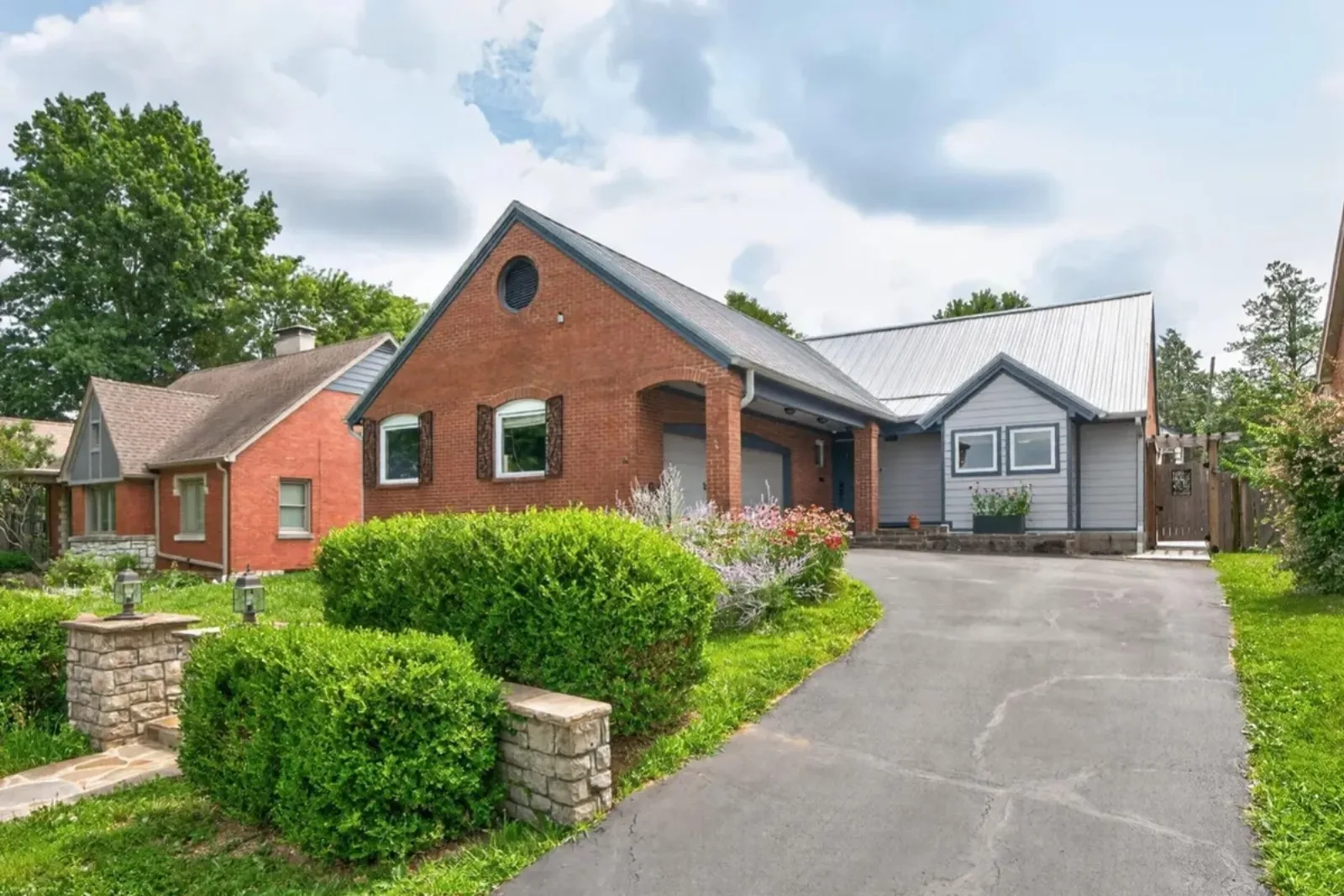
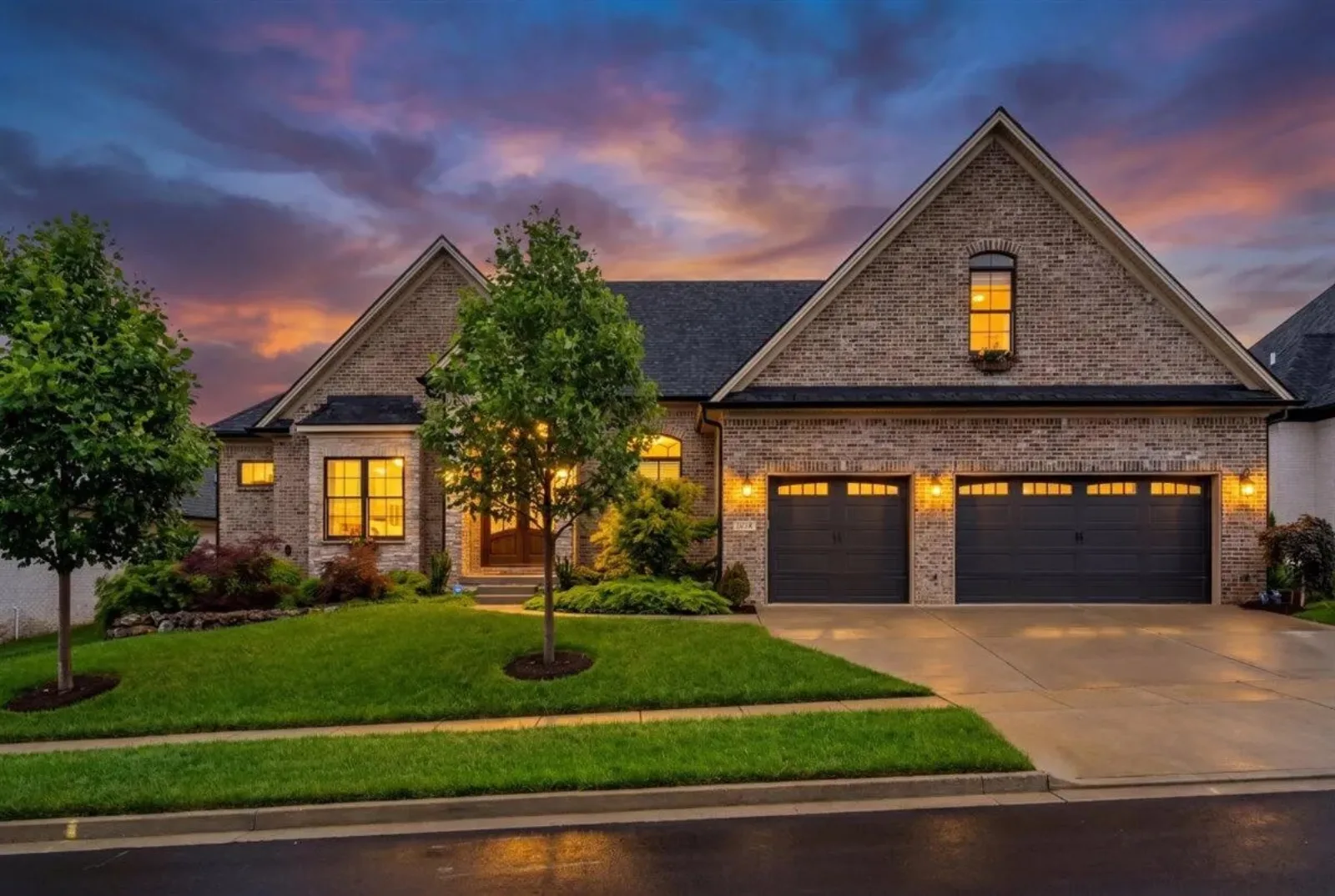
You'll find the full range here, from historic homes near downtown to newer subdivisions on the edges of town, which makes it workable for first-time buyers and move-up families alike. The steady appreciation isn't a bubble spike; it tracks the jobs, which brings us to the plant.
Want to see what's actually on the market? Search Georgetown-area homes and I'll help you make sense of what you find.
The Toyota Effect
You can't talk about Georgetown's economy without Toyota. Toyota Motor Manufacturing Kentucky sits right here in town, and it's Toyota's largest plant in North America — the facility builds the Camry, the Camry Hybrid, and the Lexus ES, and turns out hundreds of thousands of vehicles a year.
What matters for a homebuyer is what's coming next. Toyota has committed about $2 billion to the Georgetown plant, is bringing all-new RAV4 Hybrid production online this year, and has a Highlander electric SUV launching this fall. That's not a plant winding down — it's one the company is betting its next decade on. For the local housing market, that reads as steady employment, steady demand, and home values that have held up even when the wider economy hasn't.
If you or your partner work at the plant, Georgetown is close to a no-brainer. If you don't, the plant still matters: it anchors a broad base of supplier and service jobs that keep the town's economy from riding on any one thing.
Schools and Family Life
Scott County Schools serves Georgetown, and for a lot of families it's a real draw. Two comprehensive high schools carry the district — Scott County High School and Great Crossing High School, the newer campus that opened in 2019 for around 1,900 students — along with a full set of elementary and middle schools.
The thing families tell me they notice isn't a ranking, it's the scale. It's a district where teachers and administrators tend to know the families they serve, which reads differently than a big, anonymous system. If schools are steering your search, that community-sized feel is part of what you're buying into.
Things to Do: Royal Spring Park and Downtown
Georgetown's downtown has genuinely come into its own — cafes, local restaurants, a distillery, and specialty shops, without feeling overbuilt or touristy.

Royal Spring Park, just off South Water Street, is the heart of it. The park is built around a natural spring that has supplied the community since Georgetown's earliest days, and it was added to the National Register of Historic Places in 1973. On the grounds is a log cabin built in 1874 by Milton Leach, a formerly enslaved man, as his own home — later moved to the park and preserved. It's a real piece of Georgetown's post-Civil War history, and it's walkable from downtown.
The area also leans into its bourbon roots — the Elijah Craig connection runs through Georgetown and Royal Spring — and there's a steady rhythm of community events through the year. It's the kind of downtown you actually stroll, which, for someone who walks everywhere I can, is a big part of the appeal.
The Commute to Lexington
The practical question: how far is Georgetown from Lexington, really?
About 10 miles. Depending on where in Lexington you're headed, that's a 15 to 25 minute drive most days, maybe 30 at rush hour. It's an easy commute if you work near I-75 or the north side of the city, and it barely registers if you work at the plant.
If you want to stay closer to Lexington but keep some of that quieter, more-space feeling, the north-side neighborhoods are worth a look too — Masterson Station and Hamburg both sit on the Georgetown side of town and split the difference on the drive.
Georgetown vs. Lexington: The Honest Comparison
So which one? It comes down to what you're optimizing for.
Georgetown makes sense if you want small-town character and a strong sense of community, prefer slightly lower home prices and more space, have a short commute or work at Toyota, and like the idea of a downtown where you know the shop owners.
Lexington makes sense if you want more nightlife and dining, a larger and more diverse job market, and the option to skip the commute entirely by living in the middle of it all. If you're weighing the city itself, my best neighborhoods guide breaks Lexington down block by block, and the Lexington vs Louisville comparison is useful if Kentucky's two big cities are both on your list.
For what it's worth, I've loved living in Lexington, and I still get why so many people choose the quieter version up the road. It's a values call, not a right-or-wrong one — and Georgetown is one of the few places that lets you have the small-town life without cutting yourself off from a real city.
Frequently Asked Questions About Georgetown, KY
Is Georgetown, KY a good place to live?
For families and commuters weighing the Lexington area, yes. Georgetown gives you a walkable historic downtown, a median home price around $360,000 (below comparable Lexington homes), Scott County Schools, and the economic anchor of Toyota's largest North American plant — all about 10 miles north of Lexington. The trade-offs are honest ones: it's a smaller nightlife and dining scene than the city, and you'll drive for some things. For most people making this move, that's a fair deal.
How far is Georgetown from Lexington?
About 10 miles, or a 15 to 25 minute drive most days — roughly 30 minutes at rush hour. If you work near I-75, northern Lexington, or the Toyota plant, it's an easy commute. North-side Lexington neighborhoods like Masterson Station and Hamburg split the difference if you want to stay closer to the city.
How much do homes cost in Georgetown, KY?
In mid-2026 the median sale price sits around $360,000, or about $175 a square foot — up roughly 7% year over year. That's typically a bit less than a comparable home in Lexington, and you generally get more space and yard for the money. Homes are moving quickly, going under contract in about 30 days on average, so come with your financing lined up.
Is the Toyota plant good for Georgetown's economy?
It's the backbone of it. Toyota Motor Manufacturing Kentucky in Georgetown is the company's largest plant in North America, and Toyota has committed about $2 billion to it — bringing all-new RAV4 Hybrid production online and a Highlander electric SUV on the way. That kind of long-term investment keeps local employment and housing demand steady, which shows up in stable home values.
Can you find new construction homes in Georgetown?
Yes. Alongside its historic homes, Georgetown has active new-construction subdivisions, so there are options across budgets and build years. If a newer home is the goal, my new-construction guide walks through what to check before you sign with a builder.
Thinking About a Move to Georgetown?
Georgetown is a town on a healthy, organic climb — not overheated, just steadily attracting people who want the small-town version of Bluegrass living. If you're weighing it, whether you're relocating from out of state or just shopping the north side of Lexington, I'd love to help you sort through neighborhoods, price ranges, and the commute math.
Reach out anytime — let's figure out whether Georgetown is your next step. And if you're moving in from further away, my moving from Ohio guide and cost-of-living breakdown are a good place to start.
Data: Redfin and Zillow Georgetown, KY market summaries (mid-2026); Toyota Motor Manufacturing Kentucky (2026 investment and production announcements); National Register of Historic Places. Raya Rivera is a real estate agent with The Brokerage in Lexington, KY.