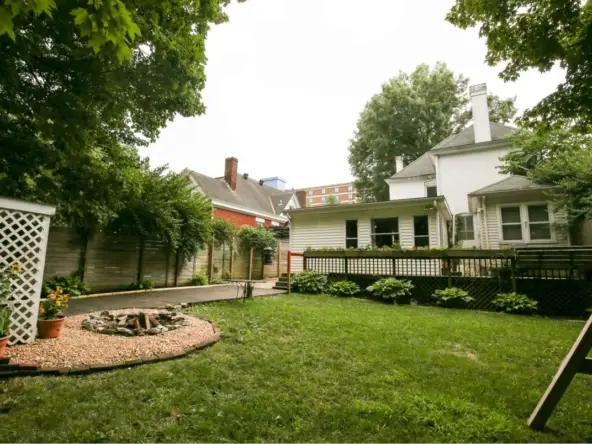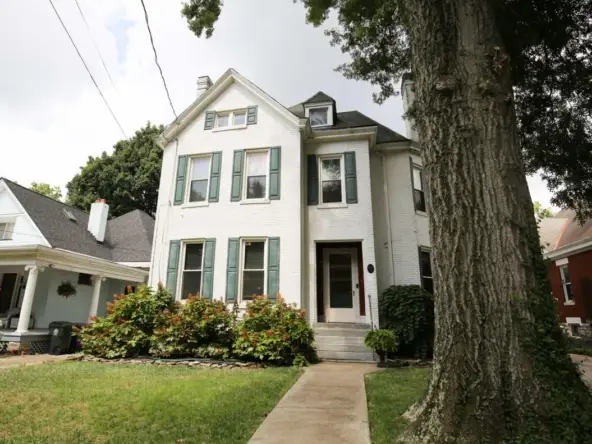

For many homeowners in their 50s, 60s, and beyond, the family home that once buzzed with activity now feels overwhelming. The kids have moved out, the maintenance demands seem endless, and you’re paying property taxes and utilities on space you no longer need. If this sounds familiar, you’re not alone. Downsizing has become one of the most popular real estate trends among empty nesters and retirees across Lexington, Kentucky, and there are compelling reasons why.
The decision to downsize is deeply personal, touching on both practical financial considerations and emotional attachments to your home. That’s why Lexington offers such an ideal environment for this life transition. Whether you’re drawn by the city’s affordable cost of living, vibrant downtown culture, or exceptional healthcare facilities, Lexington provides the perfect backdrop for your next chapter.
In this comprehensive guide, we’ll explore why downsizing makes sense, where the best neighborhoods are for your lifestyle, what property types offer the best value, and how to navigate the emotional and practical aspects of this significant life change.
Why Lexington is Perfect for Downsizing
Lexington consistently ranks as one of the most livable cities in the Southeast, and that reputation is well-earned. For those considering downsizing, the city offers several distinct advantages that make the transition smooth and rewarding.
Affordability and Strong Market Value: Unlike many metropolitan areas where downsizing still comes with a hefty price tag, Lexington’s real estate market is remarkably affordable. You can move into a modern condo or townhome in a desirable neighborhood and actually reduce your housing costs significantly. Our property tax guide shows that Lexington homeowners enjoy some of the lowest tax burdens in the state, meaning your smaller home also means smaller tax bills.
Walkable Urban Neighborhoods: If you’ve dreamed of walking to restaurants, shops, and entertainment, Lexington delivers. The downtown area and surrounding neighborhoods have undergone a remarkable renaissance. You can run morning errands on foot, meet friends for dinner without driving, and engage with your community in meaningful ways. This walkability is especially valuable as we age, reducing car dependence and promoting an active lifestyle.
World-Class Healthcare: Lexington is home to the University of Kentucky Healthcare system, one of the region’s largest employers and a leader in medical innovation. Baptist Health Lexington and Central Baptist Hospital also provide exceptional care. For retirees and those planning for future healthcare needs, proximity to top-tier medical facilities is invaluable.
Cultural Attractions and Lifestyle: From the Kentucky Horse Park to Rupp Arena, from local farmers markets to the Lexington Philharmonic, there’s no shortage of activities and cultural engagement. The city’s arts scene, dining options, and recreational opportunities keep life vibrant and interesting—an important consideration when you’re downsizing into a smaller home but not a smaller life.
When Should You Consider Downsizing?
Downsizing isn’t for everyone, and timing matters. Here are the key indicators that downsizing might be right for you:
- The Kids Have Left: When your children move out for college or their own careers, you’re left with extra bedrooms that rarely get used. Guest rooms, playrooms, and home offices take up space and cost money to maintain.
- Home Maintenance is Burdensome: Does your roof need replacing? Is the HVAC system getting old? Are you tired of yard work, gutter cleaning, and house repairs? A smaller home means lower maintenance costs and fewer projects to manage.
- You Want to Optimize Your Finances: If you have significant equity in your current home, downsizing can free up capital for retirement, travel, investment, or simply providing more monthly cash flow.
- You’re Seeking a Lifestyle Change: Perhaps you crave walkability, community, fewer responsibilities, or the flexibility to spend time on hobbies and travel rather than home upkeep.
- Accessibility Matters: Single-story condos and townhomes eliminate stairs, making your home easier to navigate as mobility changes with age.
Best Neighborhoods in Lexington for Downsizers
Not all neighborhoods are equally suited for downsizing. Here are Lexington’s top options for empty nesters and retirees seeking the right fit:
Chevy Chase: This historic neighborhood north of downtown is walkable perfection. Tree-lined streets, locally-owned shops, restaurants, and a strong sense of community make it ideal for those who value walking to daily destinations. Properties tend to be older homes with character, but you’ll also find smaller cottages and townhomes that appeal to downsizers.
Downtown Condos and Lofts: Lexington’s downtown renaissance has created a vibrant urban living option. Converted warehouses and new construction offer modern amenities in the heart of the action. Walk to restaurants, galleries, the Kentucky Theater, and more. Downtown living appeals to those who embrace an urban lifestyle and walkable infrastructure.
Beaumont Park: This established neighborhood south of downtown combines walkability with a residential feel. The tree-canopy is mature, the sense of community is strong, and you’re close to UK and excellent dining and shopping options. It’s sophisticated without being pretentious, and properties range from historic homes to modern townhomes.
Suburban Patio Home Communities: If you want to stay in established suburbs with excellent schools (for visiting grandchildren) and planned communities, patio home developments offer a sweet spot between a full-size home and a condo. Low-maintenance exteriors, community amenities, and a quieter pace appeal to many retirees.
Property Type Comparison for Downsizers
Different property types offer different advantages. Here’s how the main options compare:
| Property Type | Typical Price Range | Maintenance | Best For |
|---|---|---|---|
| Condos | $150K–$350K | Very Low (HOA handles exterior) | Urban lifestyle, zero yard work, community amenities |
| Townhomes | $200K–$400K | Low (shared walls, limited yard) | More space than condos, walkable areas, lower costs |
| Patio Homes | $250K–$450K | Medium (small yard, HOA helps) | Suburban feel, small outdoor space, planned communities |
| 55+ Communities | $180K–$400K | Low to Medium (age-restricted, active management) | Retirees seeking peers, built-in social activities, amenities |
Condos: Maximum Convenience
- Pros: No yard work, exterior maintenance handled by HOA, often walkable locations, social community, lower insurance
- Cons: HOA fees, shared walls, less privacy, potential special assessments, noise from neighbors
- Best neighborhoods: Downtown, Chevy Chase, Near South
Townhomes: Balance and Value
- Pros: More square footage per dollar than condos, often single-story options, attached garage common, typically good walkable locations
- Cons: Shared walls, small yards still require some maintenance, HOA fees still apply
- Best neighborhoods: Beaumont, Downtown fringes, Near North
Patio Homes: Suburban Compromise
- Pros: More space and privacy than condos/townhomes, modest yard you can manage, planned community amenities, HOA handles common areas
- Cons: Less walkable than urban options, still require yard maintenance, HOA fees higher than townhomes
- Best neighborhoods: Lakeside, Wolf Ridge, Winding Hills
55+ Communities: Community-Focused Living
- Pros: Age-restricted means neighbors in similar life stage, planned social activities, golf courses or fitness centers, strong sense of community, often excellent amenities
- Cons: Typically required to be 55+, newer construction may have limited inventory, potentially higher HOA fees, less diverse age groups
- Best options: Lexington has several excellent 55+ communities in suburban areas
The Financial Benefits of Downsizing
Beyond the emotional aspects, downsizing makes compelling financial sense for most empty nesters and retirees. Let’s break down the numbers:
Lower Property Taxes: Lexington’s property tax rates are already favorable, but moving from a $400,000 home to a $250,000 condo represents significant annual savings. A $150,000 reduction in property value could save you $1,500–$2,000 annually in taxes—money that compounds over a retirement spanning 20+ years.
Reduced Utility Costs: Smaller homes are cheaper to heat and cool. A 1,200 square foot condo uses far less electricity than a 3,500 square foot single-family home. You might reasonably expect to cut utility bills by 30–50%, saving $100–$200 monthly.
Freed-Up Equity: If you’re moving from a $400,000 home with $150,000 equity to a $250,000 condo you can pay cash for with $100,000 down, you’ve just liberated $50,000 in capital. This can fund travel, cover medical expenses, supplement retirement income, or invest for additional returns.
Lower Insurance and Maintenance: Homeowner’s insurance for a condo is typically 20–30% lower than for a single-family home. Moreover, you’re no longer responsible for roof repairs, HVAC replacements, foundation issues, or major exterior work. That $3,000–$5,000 roof replacement? No longer your problem.
Possible Tax Benefits: Consult your tax advisor, but downsizing can provide opportunities for tax-efficient wealth transfer to heirs and may affect your overall tax picture in positive ways.
The Emotional Aspects of Downsizing
While the financial case for downsizing is strong, the emotional journey requires attention and compassion. Your family home holds memories. It’s where you raised your children, celebrated holidays, and built decades of life. Downsizing isn’t just a real estate transaction—it’s a life transition.
Decluttering with Purpose: You likely have accumulated possessions over 20+ years of family life. Rather than viewing decluttering as loss, frame it as curating your best life. Ask yourself: Do I use this? Do I love this? Does it represent who I am now?
- Start early—don’t wait until your home is on the market
- Go room by room rather than trying to tackle everything at once
- Take photos of sentimental items before letting them go
- Donate to local charities, offer items to family members, or sell valuable pieces
- Consider consignment shops for furniture you don’t need
Preserving Memories Without Possessions: Your memories don’t live in your home—they live in your heart and mind. Create a memory box with truly irreplaceable items. Digitize important documents and family photos. Consider a memory book or scrapbook that consolidates important memories in a small, manageable format.
Embracing the Transition: This chapter isn’t an ending—it’s a new beginning. Downsizing often represents freedom: freedom from maintenance, freedom to travel, freedom to explore new neighborhoods and communities. Instead of being tied to a large home that requires constant attention, you’re making space for the activities and relationships that matter most.
Many empty nesters find that once they’ve downsized, they wonder why they didn’t do it sooner. The lifestyle shift often brings unexpected joy and renewed sense of purpose.
Strategic Approach: Selling Your Current Home While Buying Smaller
The logistics of downsizing require careful planning. Here are several approaches:
Strategy 1: Sell First, Then Buy
Advantages: You know exactly how much capital you have to work with, no bridge financing needed, cleaner offer on your downsized property without contingencies. Disadvantages: You need temporary housing, tight timeline to find a new home, potential stress if you can’t find the right property quickly.
Strategy 2: Buy First, Then Sell
Advantages: No rush, you can find the perfect new home, maintain privacy of your downsize decision. Disadvantages: Carrying two mortgages temporarily, tighter financing qualification, less attractive contingent offer on your current home.
Strategy 3: Contingent Offer
Make your purchase offer on the new property contingent on the sale of your current home. Many sellers will negotiate this in Lexington’s market, especially if your current home is well-prepared for sale.
Working with the Right Realtor: This transition deserves expert guidance. A realtor experienced in downsizing can help you navigate market conditions, price your current home competitively, identify emerging downsizing properties, and coordinate timing. They understand both the practical and emotional dimensions of this move.
Getting Started: Your Next Steps
If downsizing is on your horizon, here’s how to begin:
- Take inventory of your current home and calculate how much space you actually need
- Identify which neighborhoods appeal to you and spend time exploring them
- Research property types and create a list of must-haves versus nice-to-haves
- Meet with a financial advisor to understand your equity and tax implications
- Connect with a real estate professional who specializes in downsizing
- Start decluttering if you’re planning to downsize within the next 12 months
Lexington offers one of the most attractive downsizing opportunities in the Southeast. The city’s affordability, walkable neighborhoods, excellent healthcare, and vibrant culture combine to create an ideal setting for your next chapter. Whether you’re looking at the best neighborhoods in Lexington, exploring luxury options, or simply trying to understand the true cost of living here, Lexington delivers on the promise of a rewarding, manageable lifestyle.
Downsizing isn’t about settling for less. It’s about choosing more of what matters: freedom, community, walkability, and quality of life. For many Lexington residents, that choice leads to some of the happiest years of their lives.
Ready to Explore Downsizing Options in Lexington?
Whether you’re ready to sell your current home or just beginning to explore what downsizing might look like for your family, I’m here to guide you through every step of this exciting transition. With years of experience helping empty nesters and retirees find their perfect fit in Lexington’s most desirable neighborhoods, I understand both the practical and emotional dimensions of downsizing.
Let’s talk about your downsizing goals and create a personalized strategy tailored to your timeline and lifestyle. Reach out today for a confidential consultation—your next chapter is waiting.
Raya Rivera
The Brokerage KY
Phone: (267) 515-9946
rayarivera.com